Get your free personalized podcast brief
We scan new podcasts and send you the top 5 insights daily.
The guest finds AI severely underwhelming for creative tasks like branding. He believes consumers can intuitively spot AI-generated design, which devalues it because it lacks the "proof of work" and taste that comes from respected human effort.

Related Insights
AI tools struggle in creative processes because they cannot "see" or have personal preferences. Their output is limited by the user's ability to verbally describe visual inspiration, creating a significant bottleneck. This highlights why human taste and curation remain essential for high-quality creative work.

As AI design tools proliferate, their outputs are developing a recognizable, generic style. A website that is clearly a "one-shot prompt" now signals something about the company's standards, similar to how easily identifiable AI-written text does. This suggests a rising premium for human-led, original design.

Users are dissatisfied with purely AI-generated creative outputs like interior design, calling it "slop." This creates an opportunity for platforms that blend AI's efficiency with a human's taste and curation, for which consumers are willing to pay a premium.

Using AI to save time on content can backfire if the audience expects authenticity. The value in human-created art, writing, or presentations often lies in the invested energy and personal story, which AI shortcuts can devalue in the customer's eyes.

As generative AI floods channels with generic content, a pendulum is swinging back toward high-quality, nuanced creative. This 'AI slop' makes human judgment, taste, and institutional knowledge more valuable differentiators for brands.

Studies show people often prefer AI-generated art based on quality alone, but their preference flips to the human-created version once they know the source. This reveals a deep-seated bias for human effort, posing a significant "Catch-22" for marketers who risk losing audience appreciation if their AI usage is discovered.
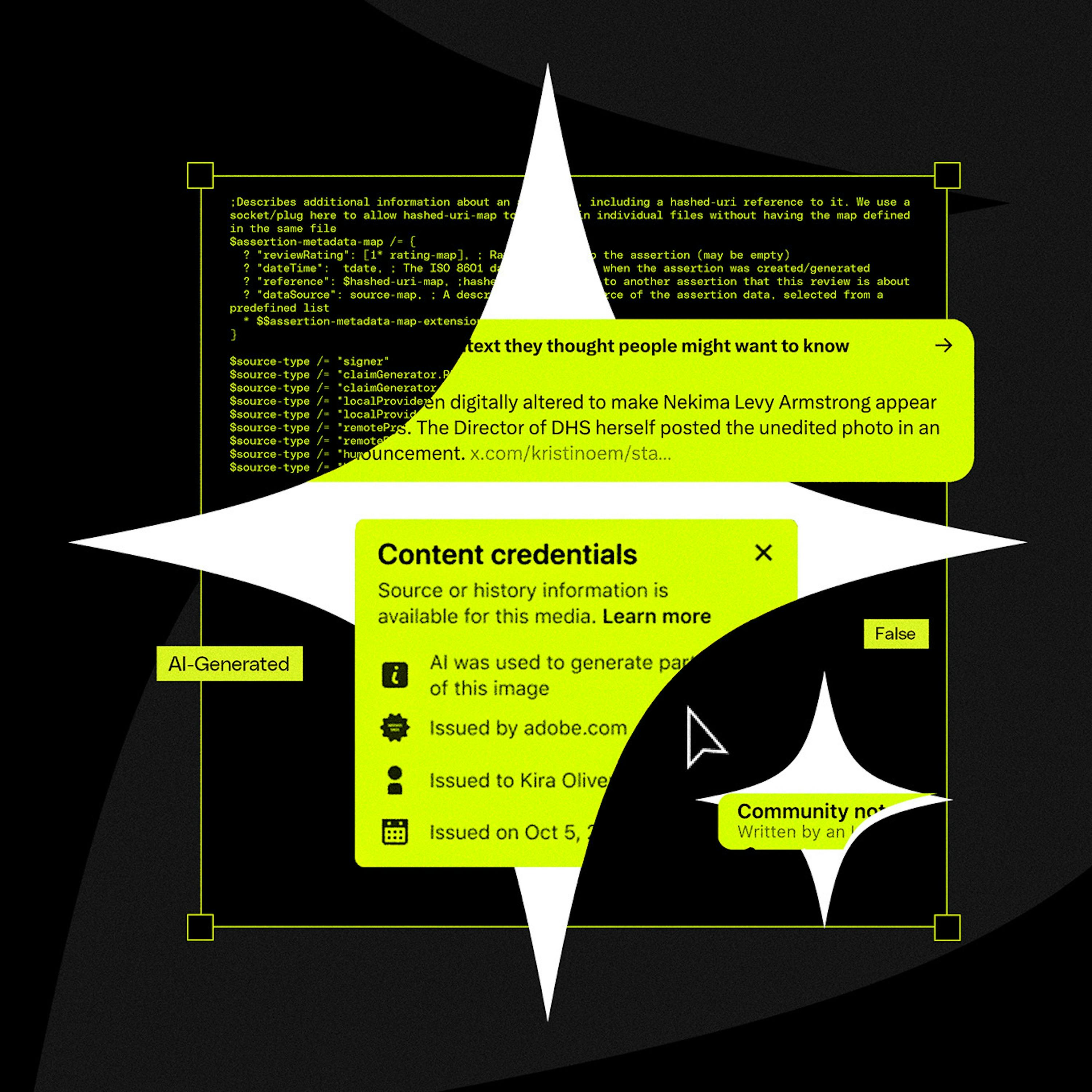
The "AI-generated" label carries a negative connotation of being cheap, efficient, and lacking human creativity. This perception devalues the final product in the eyes of consumers and creators, disincentivizing platforms from implementing labels that would anger their user base and advertisers.
Because AI can generate content in seconds, it is perceived as low-effort. This violates the "labor illusion," where effort signals quality. A study showed that when a poster was labeled "AI-powered" instead of "hand-drawn," purchase intent dropped by 61%. Brands using AI must reframe the narrative around the effort of building the system.

As AI makes content creation ubiquitous, the internet is flooded with shallow, generic "AI slop." Consumers are adept at spotting it, with 59% saying it damages their trust in a brand. This creates a premium for human-crafted, authentic stories.

AI tools are best used as collaborators for brainstorming or refining ideas. Relying on AI for final output without a "human in the loop" results in obviously robotic content that hurts the brand. A marketer's taste and judgment remain the most critical components.
