Get your free personalized podcast brief
We scan new podcasts and send you the top 5 insights daily.
Webb deliberately ended her most famous product, a nearly two-decade-old trend report, because its static format was obsolete. This act of "creative destruction" exemplifies the need for leaders to proactively dismantle successful but outdated models to make way for reinvention.

Related Insights
The VFriends team embraces killing ideas, even after hours of development. This leverages sunk costs to make better decisions. The time invested isn't wasted; it provides the necessary context to recognize a dead end and pivot effectively.

In the AI era, foundation models can render complex, custom-built features obsolete overnight. This requires a culture where teams willingly discard their own hard-built IP without ego, accepting their work has a short shelf life.

To transition their struggling magazine, the new owners of Campaigns & Elections immediately killed the print edition. This "burn the lifeboats" strategy created immense pressure and laser-like focus, forcing the team to innovate digitally without the safety net of a declining legacy product.

This quote urges companies to embrace continuous innovation and self-disruption. Instead of protecting a cash cow, leaders should actively seek the next breakthrough that will replace it. This mindset is crucial for long-term survival in a changing market, as customer needs and technologies inevitably evolve.

True reinvention is blocked less by fear of failure and more by an unwillingness to let go of established processes, especially those one personally created. The key is fostering the humility to challenge past successes, not just tolerate potential risks.
Companies often develop innovative products but treat the business model as an afterthought. Futurist Amy Webb argues this is a fatal flaw. True transformation requires innovating the business model in tandem with the technology, as Norwegian news group Schibsted did by anticipating the decline of print ads.
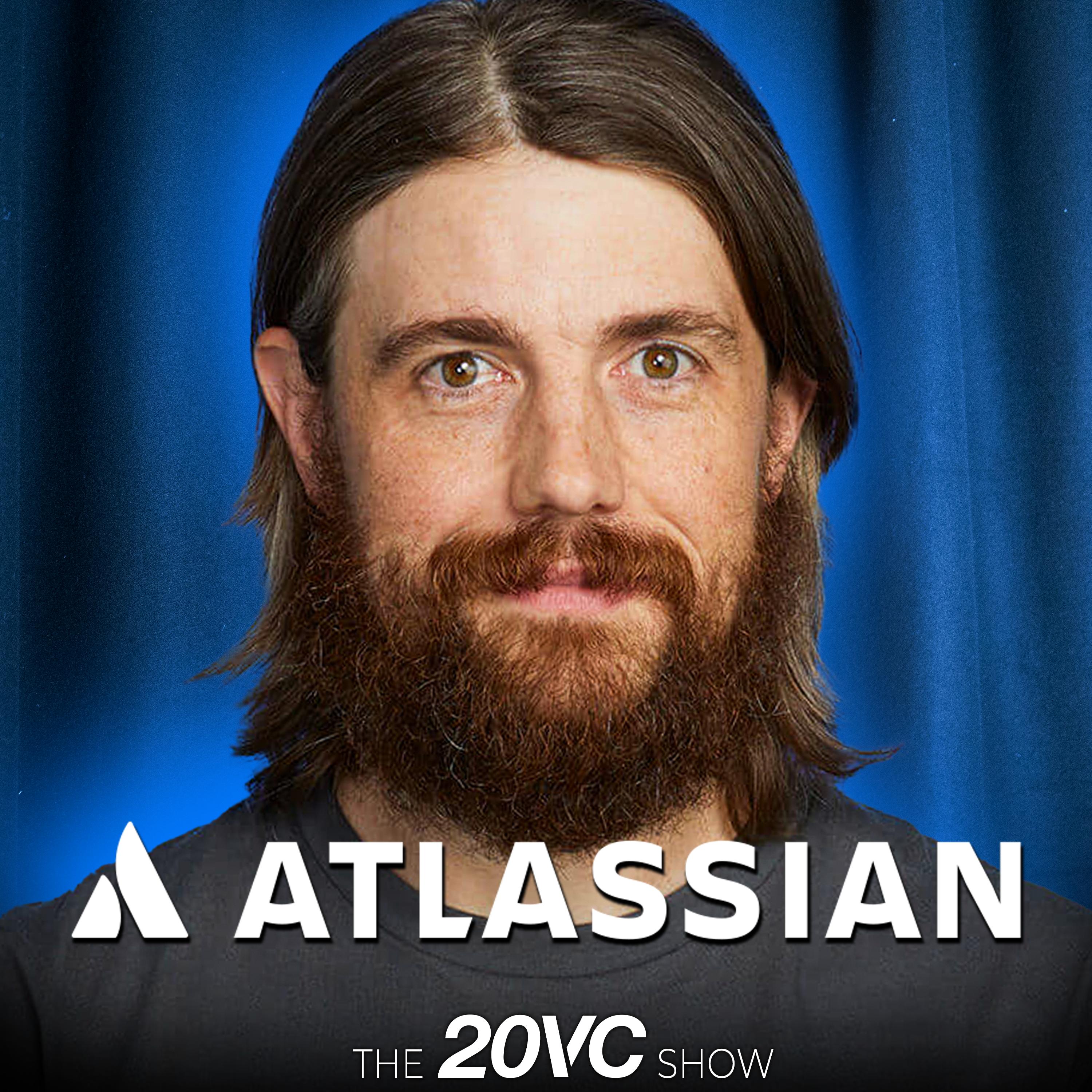
According to Atlassian's CEO, companies like Microsoft and Adobe thrive for decades not by defending one moat, but by being perpetual creation engines. They must be willing to destroy old products and embrace new paradigms, making a creative culture their most important asset.
In a rapidly evolving market, the speed at which you can discard outdated strategies and adopt new ones is more critical than simply accumulating new knowledge. Professionals who can let go of 'what has always worked' will adapt and win faster than those who cling to legacy methods.

To lead in the age of AI, it's not enough to use new tools; you must intentionally disrupt your own effective habits. Force yourself to build, write, and communicate in new ways to truly understand the paradigm shift, even when your old methods still work well.

Incremental change is insufficient for the AI transition. To find the true extent of what needs to change, leaders must be willing to go 'too far.' This means dismantling established teams, processes, and roadmaps entirely, rather than iterating, to rebuild them from scratch for the new reality.