Get your free personalized podcast brief
We scan new podcasts and send you the top 5 insights daily.
While initially a necessary safeguard, the human review process is becoming the primary factor holding back marketing execution. AI often produces better, higher-converting results faster, and the delay for manual approval negates the speed advantage.

Related Insights
Despite hype, true 'autonomous marketing' is not imminent. AI excels at automating the first 80-90% of a workflow, but the final, most complex steps involving anomalies, nuance, and judgment still require a human. This 'last mile' problem ensures AI's role will be augmentation, not replacement.

Don't focus AI on replacing creatives. The biggest drain on marketing teams isn't production cost but operational inefficiency. AI should be deployed to streamline processes and administrative tasks, giving marketers more time to think strategically.

The traditional, slow, approval-heavy content process is obsolete. To stay relevant in AI search, marketing teams must accelerate their publishing schedule by at least 3-4x. This requires a cultural shift towards speed and iteration, embracing an '80% perfect' mindset to learn and adapt quickly.

The biggest internal barrier to AI adoption is a marketer's reluctance to relinquish control. The solution is to build trust incrementally through rigorous testing. Start with small, automated processes, validate them against manual efforts, build confidence, and then scale.

Marketers mistakenly believe implementing AI means full automation. Instead, design "human-in-the-loop" workflows. Have an AI score a lead and draft an email, but then send that draft to a human for final approval via a Slack message with "approve/reject" buttons. This balances efficiency with critical human oversight.
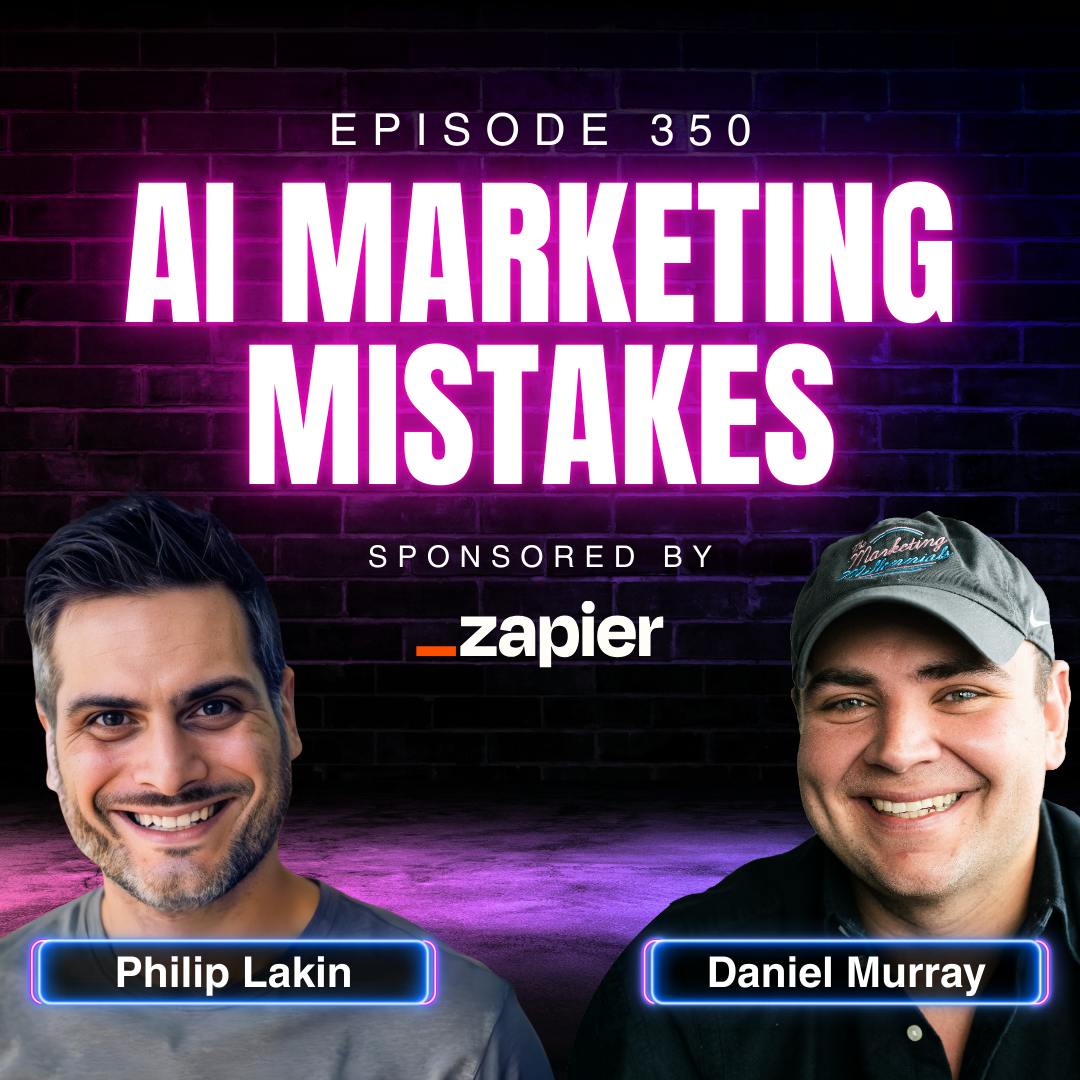
In AI-native companies that ship daily, traditional marketing processes requiring weeks of lead time for releases are obsolete. Marketing teams can no longer be a gatekeeper saying "we're not ready." They must reinvent their workflows to support, not hinder, the relentless pace of development, or risk slowing the entire company down.

Many companies struggle with AI not just because of data challenges, but because they lack the internal expertise, governance, and organizational 'muscle' to use it effectively. Building this human-centric readiness is a critical and often overlooked hurdle for successful AI implementation.
There's a significant gap where marketers leverage AI for brainstorming and copy help, but few use autonomous AI agents to execute tasks like creating webpages, optimizing campaigns, or building reports.

AI automation doesn't create an "autopilot" for marketing. Instead of enabling laziness, it empowers skilled marketers to produce a higher volume of superior, more personalized content. The human orchestrator remains essential for quality output.
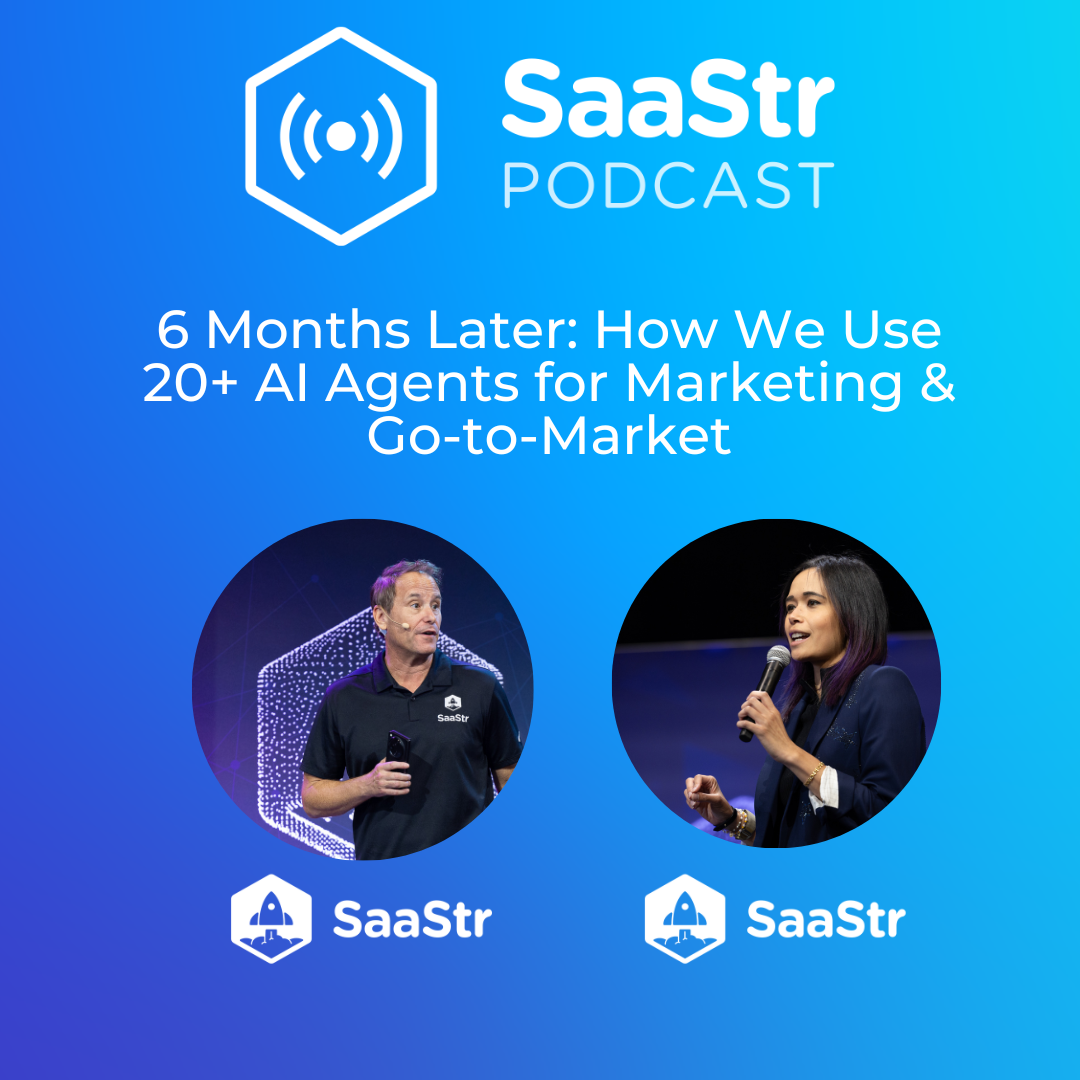
While technology for one-to-one personalized ad generation is advancing, its adoption will be slowed by a non-technical barrier: the complex, multi-layered approval processes within large consumer brands. The trust required to let AI generate and deploy ads on-the-fly without human review is a major hurdle for corporations.
