Get your free personalized podcast brief
We scan new podcasts and send you the top 5 insights daily.
Asking "Are you interested?" is a high-commitment question that often gets a "no." Instead, use the low-commitment phrase, "If I could show you how... would you be open to more information?" This frames the customer as open-minded, making them psychologically more receptive to hearing your pitch.

Related Insights
Salespeople often rush to present a solution after hearing a surface-level problem, which leads to ghosting. Asking simple, open-ended follow-ups like "Interesting, tell me more" or "Is there anything else?" forces the prospect to reveal the true impact and urgency of their issue, building a stronger case for your solution.
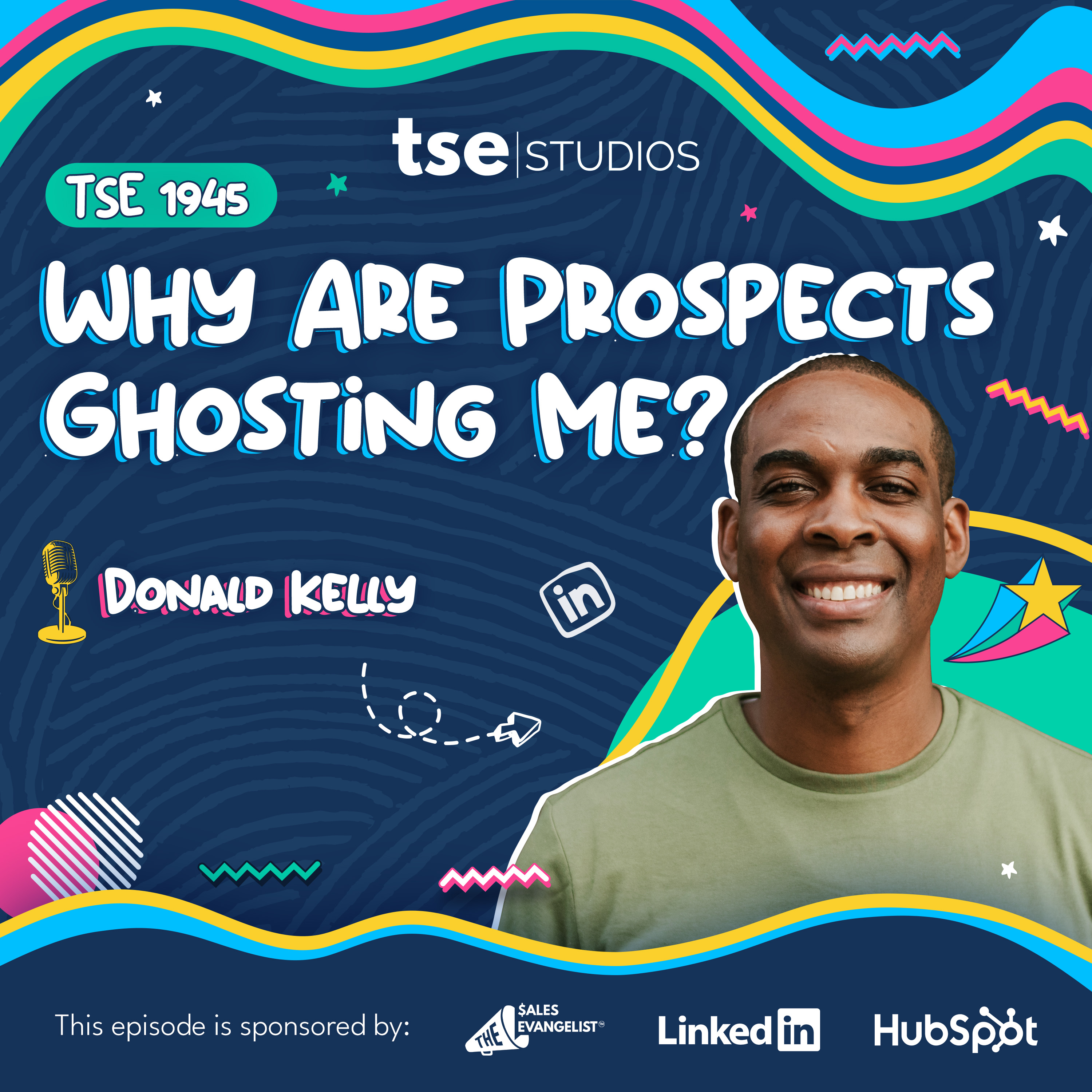
Open-ended questions can be hard to answer, while leading questions feel trapping. Instead, ask an open question and immediately provide 2-3 potential answers as "leads." This makes it easier for the prospect to respond and makes the conversation feel collaborative, not interrogative.

Sell an initial package with a guaranteed outcome. Mid-delivery, celebrate the customer's success and reframe it as completing only "Phase 1" of a larger mastery journey. This positions the upsell not as a new sale, but as the logical continuation of their initial successful commitment.

Passive buyers often give non-committal "yes" or "looks good" answers. To force genuine engagement, ask questions designed to elicit a more complex response. Instead of "Does this look good?", ask "Is there any other product out there that you've seen even similar to this?" to break the passive buyer-seller frame.
To avoid sounding pushy when asking critical questions about a deal's viability, frame them as necessary steps to ensure the customer's success post-implementation. This shifts the intent from closing a deal to building a successful partnership, encouraging open answers.

Before asking an explorative question, get consent with "Do you mind if I ask a question about that?" This leverages the 'foot-in-the-door' principle; securing a small 'yes' makes the prospect psychologically more likely to engage with your next question.
When a prospect gives a vague, early objection like 'not interested,' provide them with a few common, plausible reasons to choose from. For example: 'Is it bad timing, you're happy with your current vendor, or just not a priority?' This makes it easy for them to give an honest answer rather than ending the call.
Gage Donovan increased his sales opportunities from 10% to 90% by changing his pitch from asking "Can I wash your windshield?" to stating "As a courtesy, we're washing everybody's windshields." This removes the customer's feeling of obligation and positions the offer as a given value, leading to higher acceptance.

Instead of pitching a single idea, which invites a yes/no response, present two or three pre-approved options. This gives the other person a sense of autonomy and changes their mental calculus from rejecting your one idea to choosing the best option for them.
To uncover upsell opportunities, use the "Apologist Pitch." Approach existing customers and say, "Our bad, we've done a poor job communicating everything we offer." This reframes a sales pitch as a helpful service, making customers receptive and often leading to immediate deals without aggressive selling.
