Get your free personalized podcast brief
We scan new podcasts and send you the top 5 insights daily.
Beyond the market downturn, Gemini's poor performance is rooted in strategic incoherence. The company has cycled through various initiatives, like its costly Australian launch that was shut down in three months. This pattern suggests a core struggle to find a sustainable focus, spooking investors.

Related Insights
One of the biggest threats to a company's focus is a bored founder. Convinced of their own intelligence, they chase new, shiny opportunities, which dilutes resources and distracts from the core mission that made them successful in the first place.

Critics argue OpenAI's strategy is dangerously unfocused, simultaneously pursuing frontier research, consumer apps, an enterprise platform, and hardware. Unlike Google, which funds such disparate projects with massive cash flow from an established business, OpenAI is attempting to do it all at once as a startup, risking operational failure.

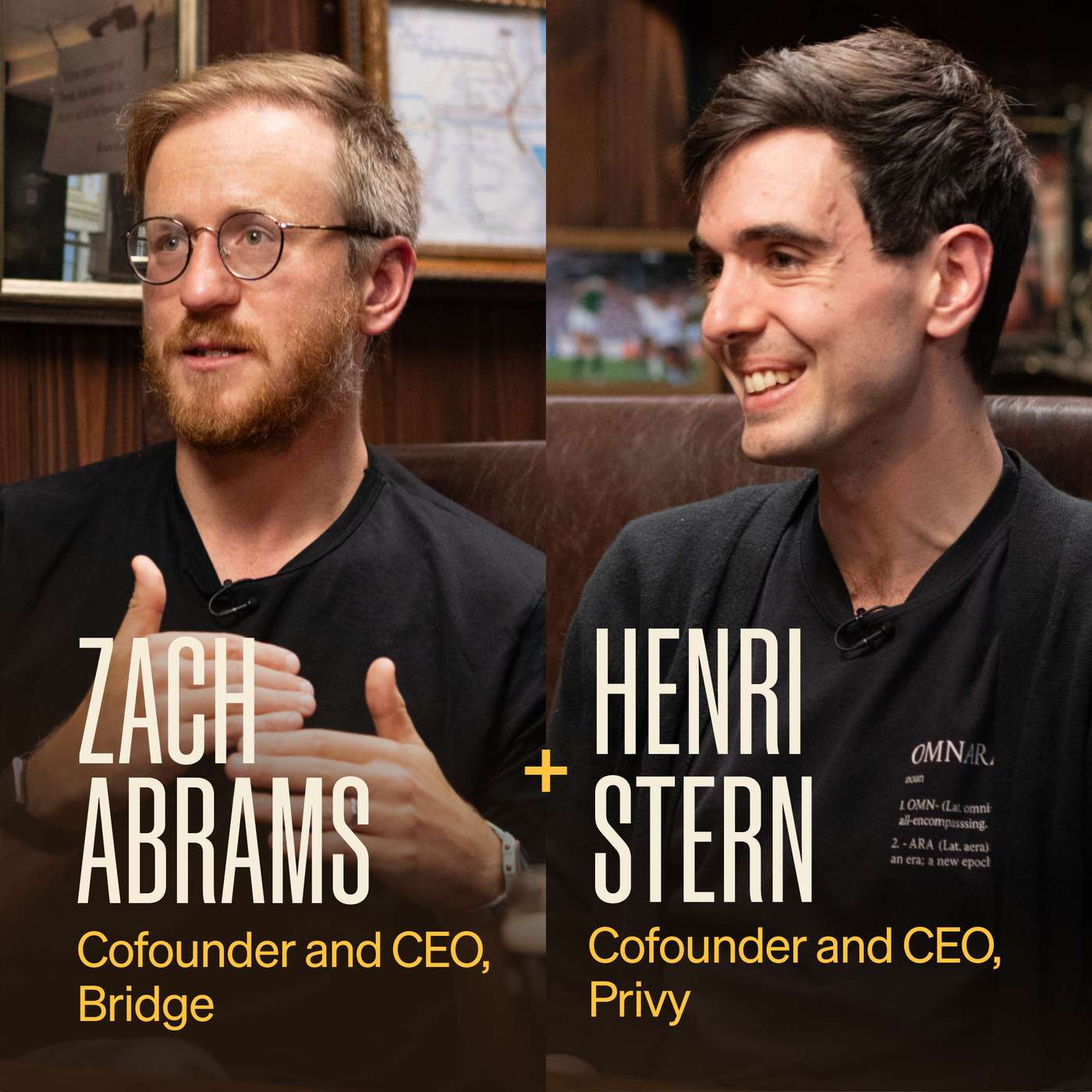
Bridge was founded just before the 2022 crypto crashes. The collapse of the NFT market, their initial focus, forced them to pivot to stablecoin infrastructure, which proved to be a much larger and more durable market, demonstrating how market shocks can be clarifying.
The lackluster reception to GPT-5 was more than a product failure; it catalyzed a market-wide narrative that AI progress was stalling. This perception directly impacted investor confidence and contributed to the "AI bubble" discourse, placing immense pressure on Google's Gemini 3 to restore faith in the entire industry's trajectory.

The internal 'Code Red' at OpenAI points to a fundamental conflict: Is it a focused research lab or a multi-product consumer company? This scattershot approach, spanning chatbots, social apps, and hardware, creates vulnerabilities, especially when competing against Google's resource-rich, focused assault with Gemini.

OpenAI's rapid reversal on its shopping ambitions suggests a strategic shift to narrow its focus. This move is likely a 'casualty' of an internal 'code red' declared after competitors like Google's Gemini released impressive updates, forcing OpenAI to prioritize core model development over side projects.
A startup studio allowed its founders to pursue any passion project, leading to a diverse but unfocused portfolio. The speaker concludes this lack of a unifying investment thesis, while personally enjoyable and "freaking fun," was a significant financial mistake that cost them "way more money."

Perplexity is pursuing multiple, seemingly unrelated strategic directions at once—competing with browsers, financial terminals, and trying to acquire social media assets. This scattered approach suggests a lack of focus that could undermine its long-term viability.

Constantly jumping to the next hot trend like crypto, cannabis, or AI is a sign of chasing an outcome (money) rather than engaging in a process. This approach fails because success requires deep interest and persistence, which trend-chasers lack.

Critics view OpenAI's sudden enterprise push not as a decisive strategy but as another reactive, "off-the-cuff" comment from CEO Sam Altman. This perceived lack of focus, spanning AI clouds, consumer devices, and now enterprise, raises doubts about their ability to execute in a demanding new market.
