Get your free personalized podcast brief
We scan new podcasts and send you the top 5 insights daily.
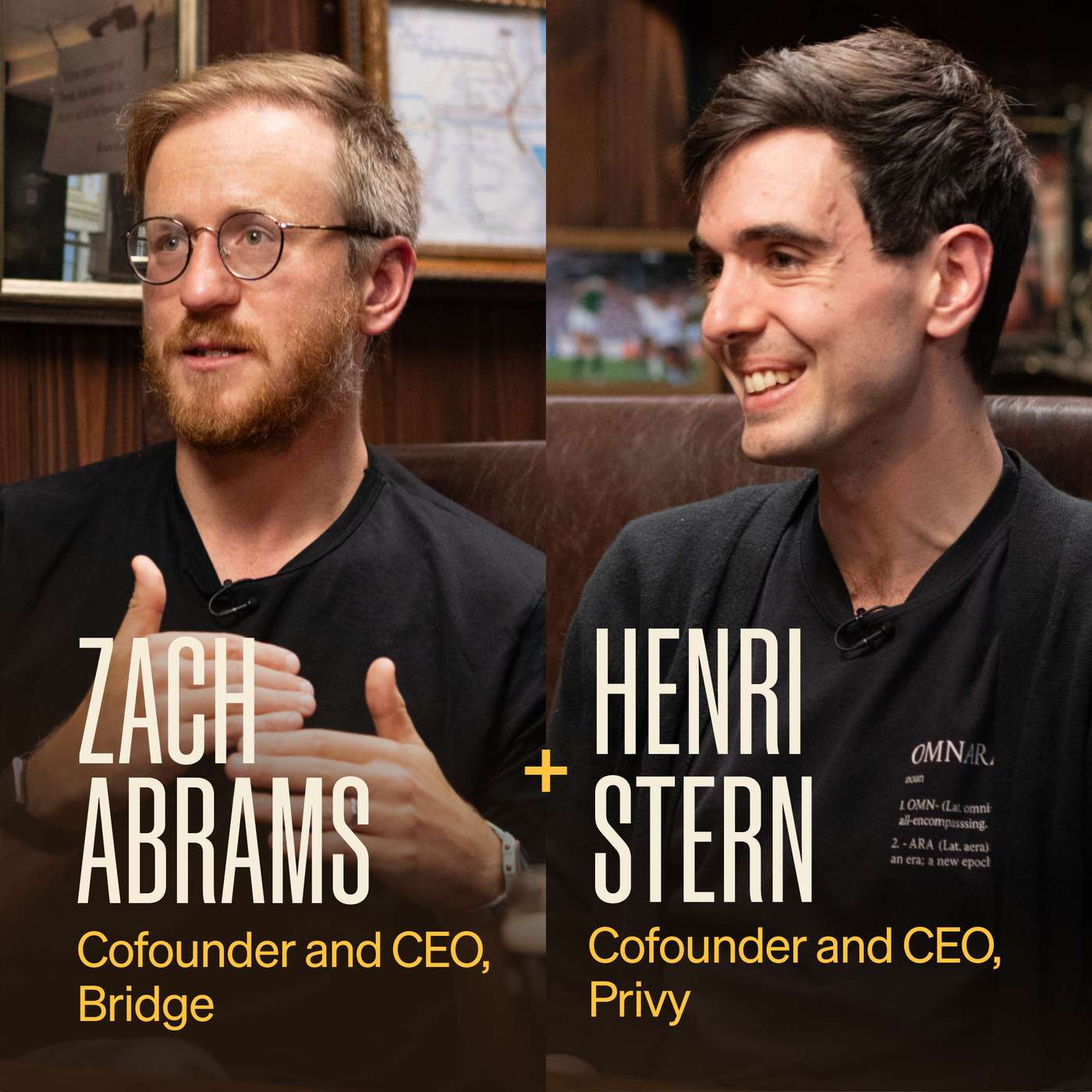
Bridge was founded just before the 2022 crypto crashes. The collapse of the NFT market, their initial focus, forced them to pivot to stablecoin infrastructure, which proved to be a much larger and more durable market, demonstrating how market shocks can be clarifying.
Related Insights
The end of the zero-interest-rate period compressed lending margins, but it had a silver lining. It forced fintech companies to become 'full-stack' by acquiring bank charters and building significant revenue streams from customer deposits, ultimately making their business models more durable.

Shure's founders pivoted back to their original EOR concept, which failed years prior due to a lack of automation infrastructure. The recent maturity of AI agents and stablecoin rails made the initial vision feasible, showing that timing and technological readiness are critical for an idea's success.

Emilie Choi explains that market downturns are beneficial because they drive out short-term "mercenaries," allowing dedicated builders to thrive. Her promotion came from proving she could operate effectively during a downturn, rewarding her resilience when others fled.

The recent explosion of stablecoins wasn't due to a new financial innovation, but the maturation of underlying blockchain infrastructure. Cheaper and faster transactions on Layer 2 solutions and improved Layer 1s finally made large-scale, low-cost payments practical for real-world use.

Instead of funding another stablecoin protocol, the more viable investment is in the tooling layer. This includes payment systems, SDKs, and accounting software (like triple-entry bookkeeping) that enable small businesses globally to integrate stablecoin payments into their existing fiat workflows.

CEO Vlad Tenev considers 2022 the "refounding" of Robinhood. The business model strategically shifted from catering primarily to first-time investors to focusing on more sophisticated, resilient active traders. This pivot drove a 5x increase in product velocity (from one to five major new products per year) and built a more cycle-agnostic business.
![Robinhood: Mobile First, Margins Later - [Business Breakdowns, EP.233] thumbnail](https://megaphone.imgix.net/podcasts/943e2e96-b60b-11f0-9176-5bf614c23973/image/074f062475dc76689adfc59319a4e04d.jpg?ixlib=rails-4.3.1&max-w=3000&max-h=3000&fit=crop&auto=format,compress)
Unlike past crypto cycles characterized by widespread retail hype, the current market's energy comes from institutional adoption. Traditional financial firms are moving beyond pilots and using crypto rails in production. This shift signifies a more mature, robust, and potentially more sustainable phase for the industry.
Before stablecoins, launching financial services in N countries required N² unique integrations. Now, companies can build on a single dollar-stablecoin standard and instantly operate globally. Adding other local stablecoins becomes a simple N-style addition, radically simplifying global expansion.
The 2022-2023 market downturn acted as a forcing function for survival. Point solutions like neobanks had to expand into lending or investing to retain users. This culling process resulted in the winners emerging as much more comprehensive, full-fledged financial platforms, not just niche apps.
After years of exploring various use cases, crypto's clearest product-market fit is as a new version of the financial system. The success of stablecoins, prediction markets, and decentralized trading platforms demonstrates that financial applications are where crypto currently has the strongest, most undeniable traction.