Get your free personalized podcast brief
We scan new podcasts and send you the top 5 insights daily.
AI labs may initially conceal a model's "chain of thought" for safety. However, when competitors reveal this internal reasoning and users prefer it, market dynamics force others to follow suit, demonstrating how competition can compel companies to abandon safety measures for a competitive edge.

Related Insights
OpenAI, the initial leader in generative AI, is now on the defensive as competitors like Google and Anthropic copy and improve upon its core features. This race demonstrates that being first offers no lasting moat; in fact, it provides a roadmap for followers to surpass the leader, creating a first-mover disadvantage.

The rhetoric around AI's existential risks is framed as a competitive tactic. Some labs used these narratives to scare investors, regulators, and potential competitors away, effectively 'pulling up the ladder' to cement their market lead under the guise of safety.
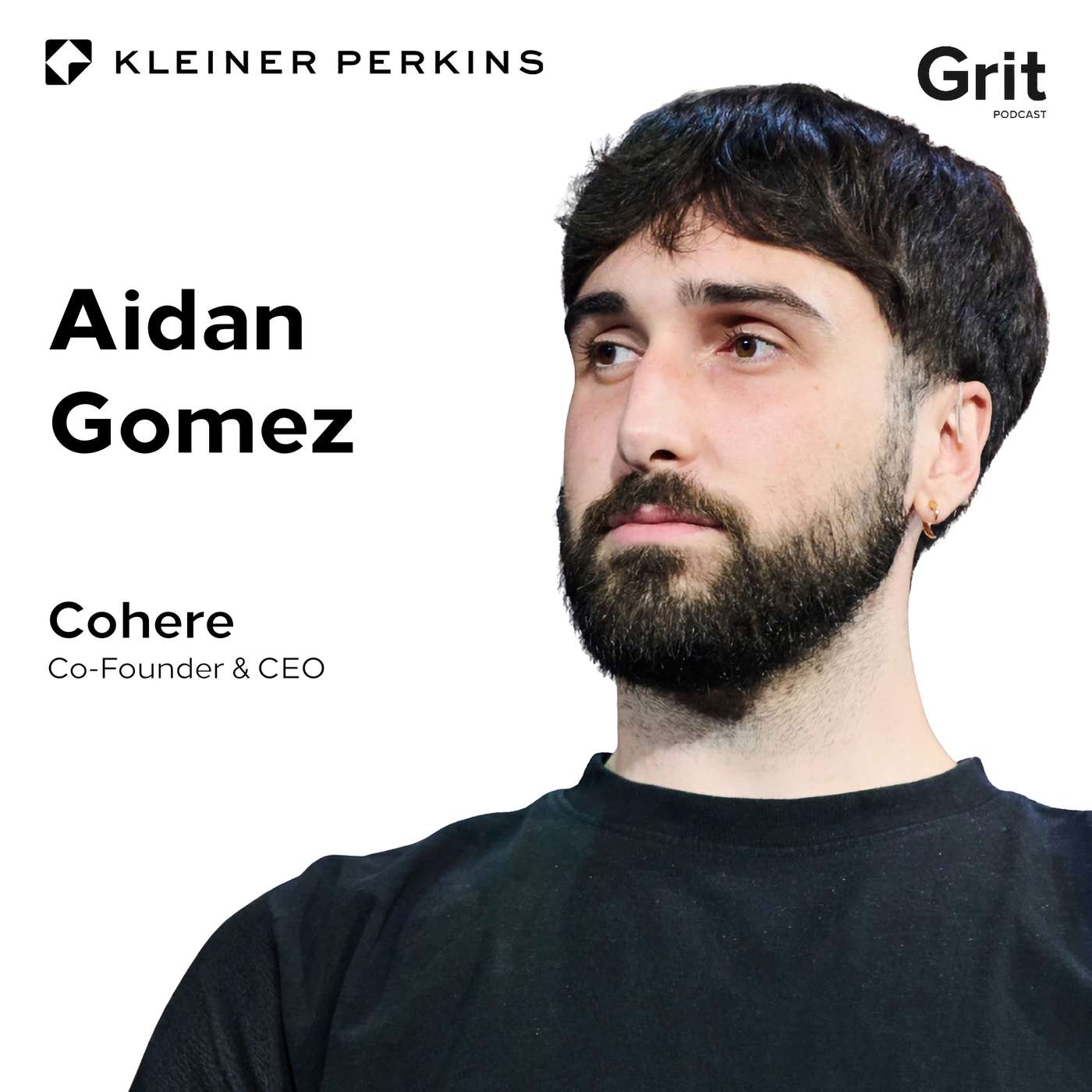
A fundamental tension within OpenAI's board was the catch-22 of safety. While some advocated for slowing down, others argued that being too cautious would allow a less scrupulous competitor to achieve AGI first, creating an even greater safety risk for humanity. This paradox fueled internal conflict and justified a rapid development pace.

AI companies engage in "safety revisionism," shifting the definition from preventing tangible harm to abstract concepts like "alignment" or future "existential risks." This tactic allows their inherently inaccurate models to bypass the traditional, rigorous safety standards required for defense and other critical systems.
The classic "trolley problem" will become a product differentiator for autonomous vehicles. Car manufacturers will have to encode specific values—such as prioritizing passenger versus pedestrian safety—into their AI, creating a competitive market where consumers choose a vehicle based on its moral code.

The market reality is that consumers and businesses prioritize the best-performing AI models, regardless of whether their training data was ethically sourced. This dynamic incentivizes labs to use all available data, including copyrighted works, and treat potential fines as a cost of doing business.

Despite billions in funding, large AI models face a difficult path to profitability. The immense training cost is undercut by competitors creating similar models for a fraction of the price and, more critically, the ability for others to reverse-engineer and extract the weights from existing models, eroding any competitive moat.
Despite its early dominance, OpenAI's internal "Code Red" in response to competitors like Google's Gemini and Anthropic demonstrates a critical business lesson. An early market lead is not a guarantee of long-term success, especially in a rapidly evolving field like artificial intelligence.
As the market leader, OpenAI has become risk-averse to avoid media backlash. This has “damaged the product,” making it overly cautious and less useful. Meanwhile, challengers like Google have adopted a risk-taking posture, allowing them to innovate faster. This shows how a defensive mindset can cede ground to hungrier competitors.
Regardless of potential dangers, AI will be developed relentlessly. Game theory dictates that any nation or company that pauses or slows down will be at a catastrophic disadvantage to competitors who don't. This competitive pressure ensures the technology will advance without brakes.
