Get your free personalized podcast brief
We scan new podcasts and send you the top 5 insights daily.
The true productivity goal isn't inbox zero, but calendar zero. Yext founder Howard Lerman found that having an Executive Assistant paradoxically led to a full calendar. By removing the role and scheduling meetings himself, he created a higher bar and reclaimed his time for deep work.
Related Insights
Leverage a principle from Peter Drucker: identify categorical decisions that eliminate entire classes of future choices. Instead of managing countless small decisions, make one sweeping rule (e.g., no new books, no public speaking for a year). This single choice removes thousands of subsequent decisions, creating massive mental space and clarity.

Many professionals boast about working long hours, but this time is often filled with distractions and low-impact tasks. The focus should be on eliminating "whack hours"—unproductive time spent doom-scrolling or in pointless meetings—and working with deep focus when you're on the clock.

Your worth isn't measured by how much you can handle before you break. Instead of using your calendar to prove your capacity for work, use it to intentionally protect your peace. Radical prioritization and scheduling open space is a strategic move that enables better decision-making.

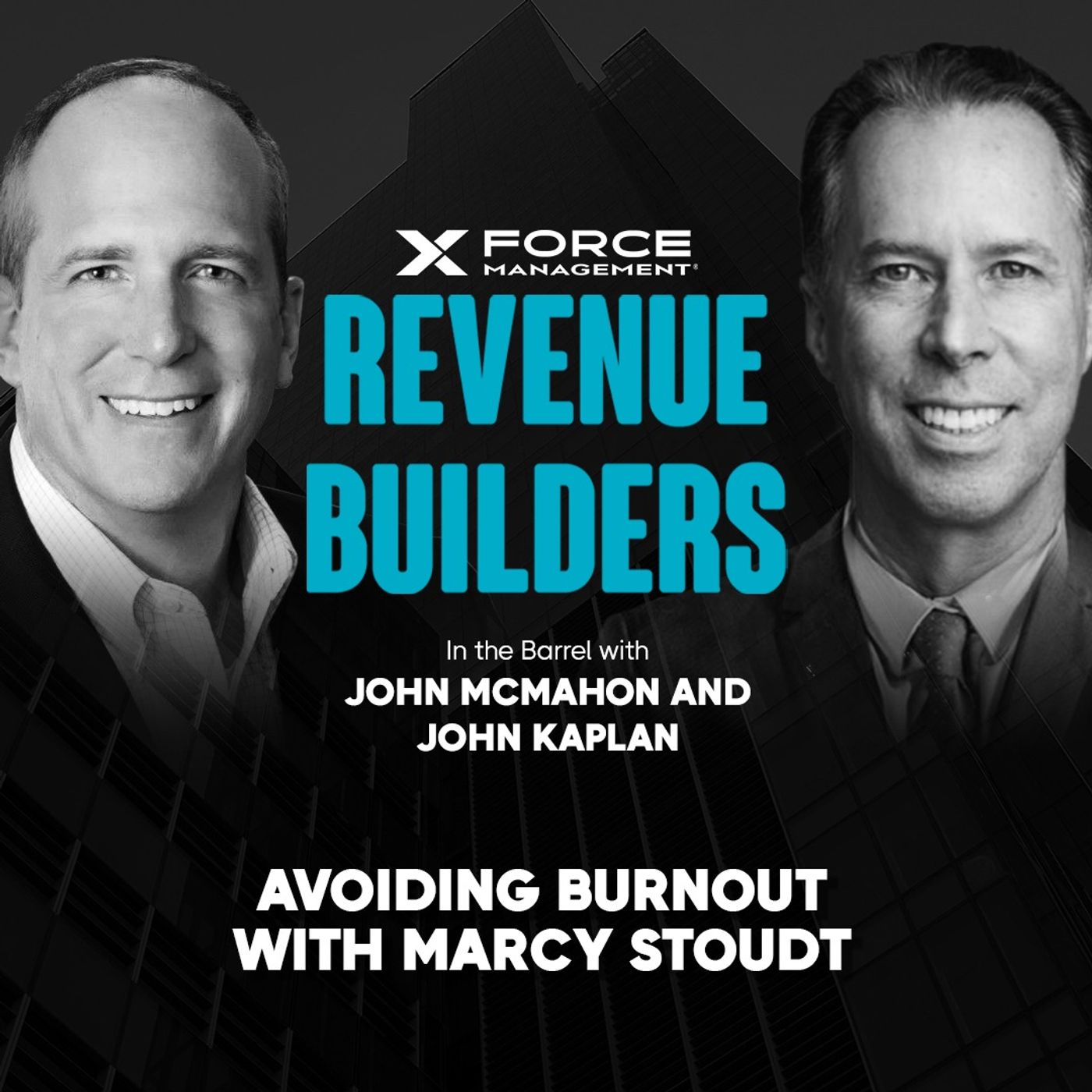
Burnout often stems from accumulating commitments that are no longer aligned with your goals. Actively create a "to-don't" list by auditing your calendar for tasks and meetings that don't serve your current vision, and then systematically eliminate them.
Friday afternoons are often low-productivity. Use this window for a high-leverage task: triaging your calendar for the upcoming week. Proactively cancel unnecessary meetings, shorten others, and delegate tasks to free up prime time before the week even begins.

Feeling "off the clock" requires rigorous upfront planning. The people who feel most relaxed about their time are those who have meticulously managed their schedules, removing the background anxiety of pending tasks. Discipline is the prerequisite for freedom, not its opposite.
Productive teams need to schedule three distinct types of time. Beyond solo deep work and structured meetings, they must carve out 'fluid collaboration' blocks. These are for unstructured, creative work like brainstorming or pair programming, which are distinct from formal, agenda-led meetings and crucial for innovation.
Leaders often try to "squeeze in" critical strategic work around a flood of meetings and daily demands. This approach is backward. To make meaningful progress, strategic priorities must be the first items blocked out on the calendar. All other, less critical tasks must then be fit into the remaining time, ensuring your schedule reflects your strategy.
Your calendar is the foundation of your execution system. Use AI to scan your schedule, find recurring blocks for deep work on key goals, and automatically suggest rescheduling conflicts. This moves AI from a passive assistant to an active agent that defends your most valuable resource: your time.

Counteract the natural tendency to add complexity by deliberately practicing 'relentless subtraction.' Make it a weekly habit to remove one non-essential item—a feature, a recurring meeting, or an old assumption. This maintains focus and prevents organizational bloat.
