Get your free personalized podcast brief
We scan new podcasts and send you the top 5 insights daily.
Instead of viewing other T-cell engager companies as direct competitors, Kevin Pojasek refers to them as "peer companies." This collaborative mindset recognizes that in a nascent field, multiple players help validate the therapeutic approach for investors and pharma, ultimately growing the entire market. They compete on specific targets, not by tearing each other down.

Related Insights
Instead of fearing competitors who copy their product, Synthesia's founder sees them as a net positive. The increased competition generates more market iterations and signals, helping them discover the most valuable use cases for the new technology faster than they could alone, while also sharpening their focus.

Instead of viewing partnerships like Nvidia and Eli Lilly as a competitive threat, Recursion's CEO sees it as powerful validation for the AI drug discovery space. This activity shifts the industry conversation from skepticism ('Will this work?') to urgency ('Who will win?'), benefiting pioneering companies like Recursion by confirming their founding thesis and attracting more investment and attention to the field.
When a competitor (Beijing) presented similar positive data for its BTK degrader, the CEO of Neurix viewed it as a positive reinforcement for the entire drug class. In a novel field, parallel success from independent companies de-risks the underlying biological mechanism for investors, partners, and clinicians.

Enara Bio's discovery platform wasn't outsourced. It was built internally with integrated computational biology, mass spectrometry, and immunology teams. The CEO believes the most significant innovation and "magic" happens at the interface between these disciplines, a synergy only possible with close internal collaboration.
Instead of viewing competitors as enemies, savvy leaders see them as the people who best understand their professional challenges. Outside the company bubble, rivals can become sources of inspiration, advice, and friendship, as they operate with a shared context that outsiders lack.

The founding premise of Enara Bio was a forward-looking belief. As the T-cell engager field matured, they predicted a critical shortage of viable targets would emerge. By creating a platform to discover novel "dark antigens" from the non-coding genome, they positioned themselves to solve a problem before it became mainstream.
Contrary to the expectation of fierce rivalry, startups in crowded spaces like voice AI within the same YC batch often form collaborative groups. They share learnings on common technical hurdles, turning potential competition into a support system.

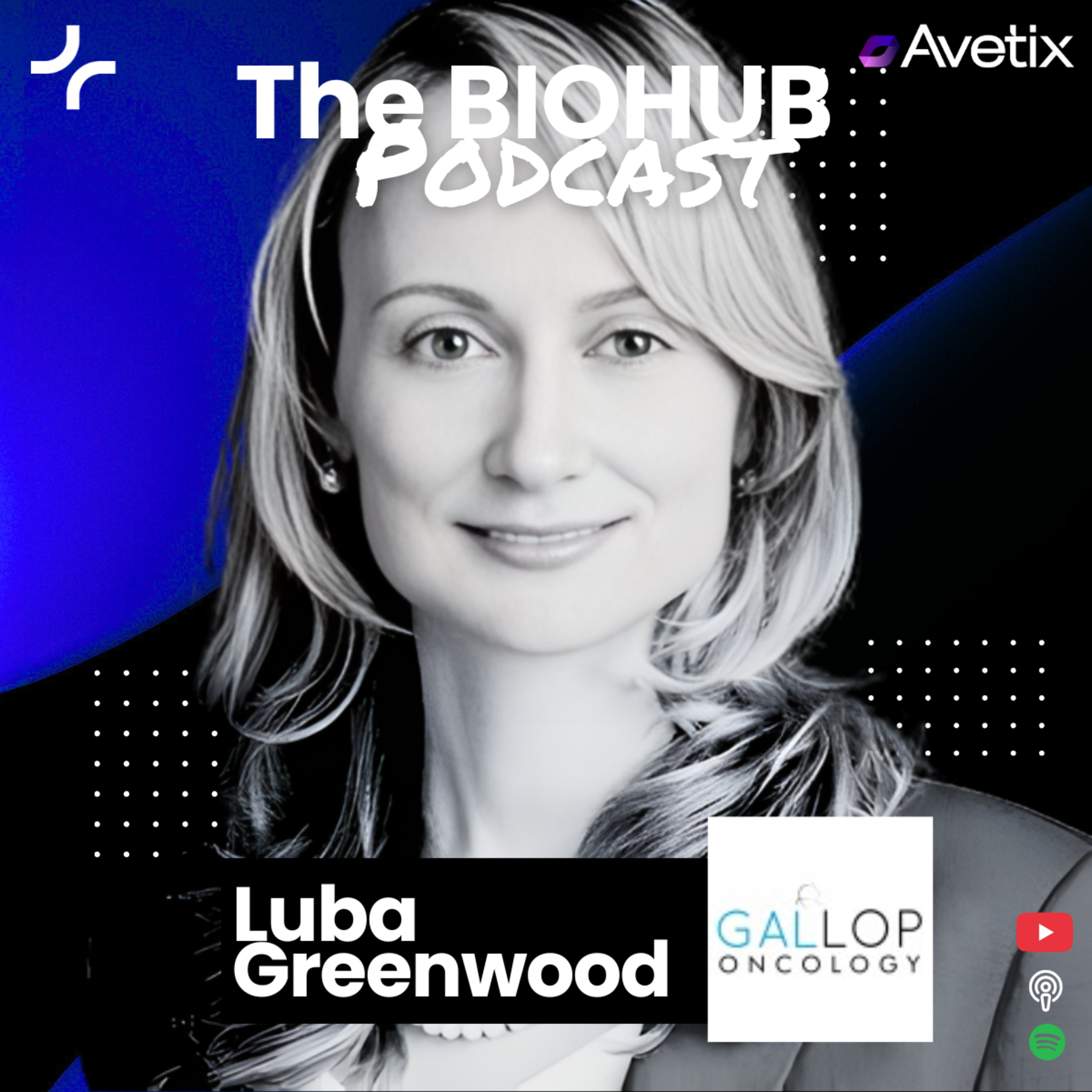
Luba Greenwood reframes competition in biotech as a positive force. When multiple companies pursue the same biological target, it validates the target's importance and accelerates discovery. This collaborative mindset benefits the entire field and, ultimately, patients, as the best and safest drug will prevail.
Even though companies like Moderna (mRNA) and Transgene (viral vector) use different platforms, positive results from any of them help validate the entire individualized neoantigen approach for investors and clinicians. The massive unmet medical need ensures the market is large enough to support multiple successful players.
The CEO argues that a second entrant in a new drug class can expand the total market, citing historical examples. The goal isn't just to take share from the incumbent (BMS) but to increase diagnosis rates and physician adoption for the entire category, creating a "one plus one equals three" scenario.