Get your free personalized podcast brief
We scan new podcasts and send you the top 5 insights daily.
Even though companies like Moderna (mRNA) and Transgene (viral vector) use different platforms, positive results from any of them help validate the entire individualized neoantigen approach for investors and clinicians. The massive unmet medical need ensures the market is large enough to support multiple successful players.
Related Insights
To overcome regulatory hurdles for "N-of-1" medicines, researchers are using an "umbrella clinical trial" strategy. This approach keeps core components like the delivery system constant while only varying the patient-specific guide RNA, potentially allowing the FDA to approve the platform itself, not just a single drug.

When a competitor (Beijing) presented similar positive data for its BTK degrader, the CEO of Neurix viewed it as a positive reinforcement for the entire drug class. In a novel field, parallel success from independent companies de-risks the underlying biological mechanism for investors, partners, and clinicians.

Colonia Therapeutics' CEO argues that lentiviral delivery is ideal for oncology's required long-term persistence, while LNP delivery is better suited for autoimmune indications needing transient, multi-dose responses. This frames them as complementary technologies for different therapeutic "swim lanes" rather than as direct rivals in a zero-sum game.
The approvals of two different oligonucleotide constructs for the same indication (Arrowhead's siRNA vs. IONIS's ASO) mark a significant milestone. This direct competition between RNA modalities signifies a maturing market where companies now focus on determining which molecule is superior for specific targets.

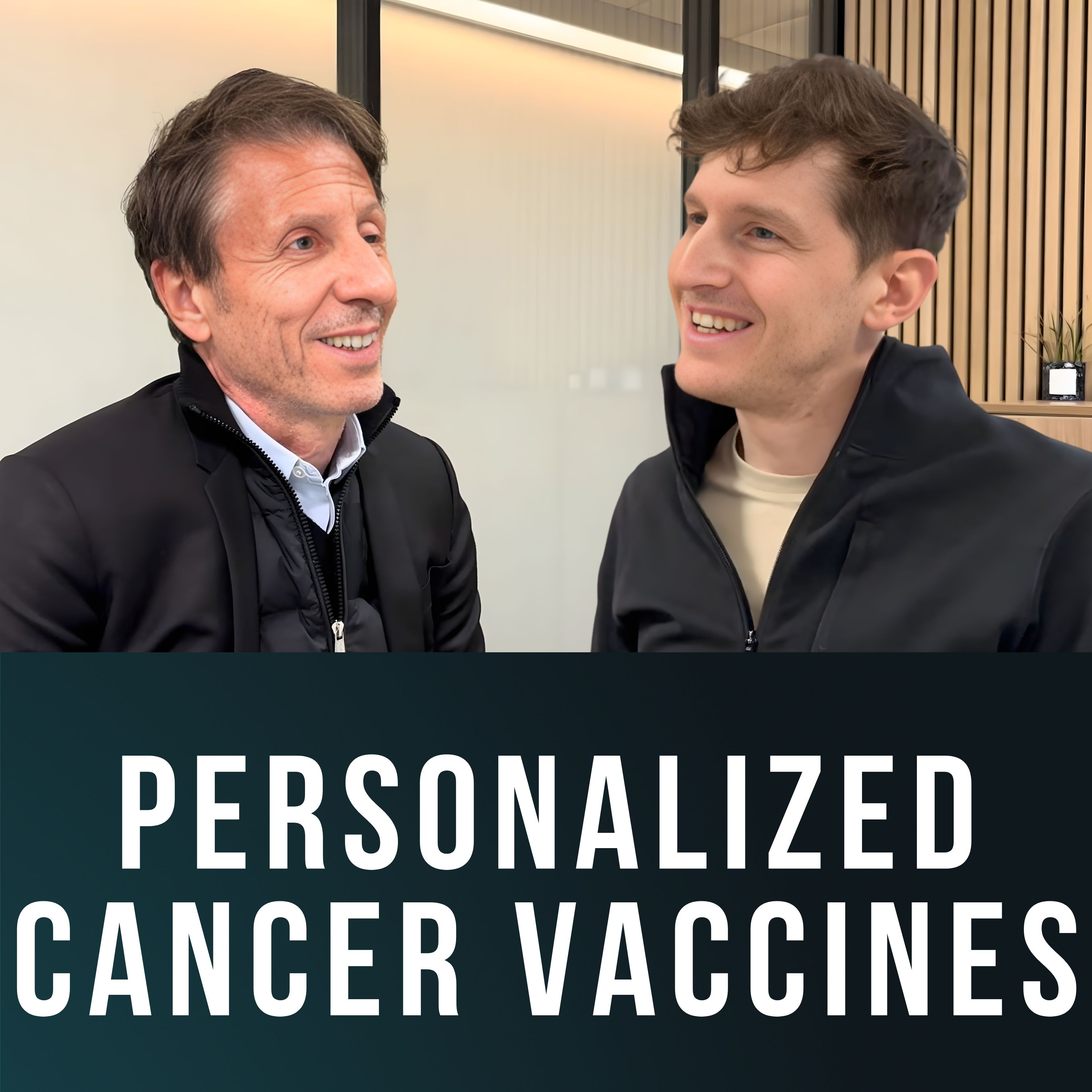
The most common investor misconception is that cancer vaccines have "never worked." The key rebuttal is that past failures targeted generic, shared antigens. The new generation of vaccines is fundamentally different, targeting specific mutations unique to each patient's tumor, which changes the entire paradigm.
Transgene pivoted from "off-the-shelf" to individualized cancer vaccines not by starting over, but by leveraging its deep, four-decade-long expertise in viral vectors and payload integration. This highlights how legacy know-how can be a critical asset in strategic company shifts.
Luba Greenwood reframes competition in biotech as a positive force. When multiple companies pursue the same biological target, it validates the target's importance and accelerates discovery. This collaborative mindset benefits the entire field and, ultimately, patients, as the best and safest drug will prevail.

The current boom in immunology and autoimmune (I&I) therapeutics is not a separate phenomenon but a direct consequence of capital and knowledge from immuno-oncology. Many of the same biological pathways are being targeted, simply modulated down (for autoimmune) instead of up (for cancer), allowing for rapid therapeutic advancement and platform reuse.

Create Medicines chose LNP-delivered RNA for its in vivo platform to give physicians control. Unlike permanent lentiviral approaches, repeatable dosing allows for adapting to tumor antigen escape and managing durability and safety over time. This flexibility is a core strategic advantage for complex diseases like solid tumors.
The future of biotech moves beyond single drugs. It lies in integrated systems where the 'platform is the product.' This model combines diagnostics, AI, and manufacturing to deliver personalized therapies like cancer vaccines. It breaks the traditional drug development paradigm by creating a generative, pan-indication capability rather than a single molecule.
