Get your free personalized podcast brief
We scan new podcasts and send you the top 5 insights daily.
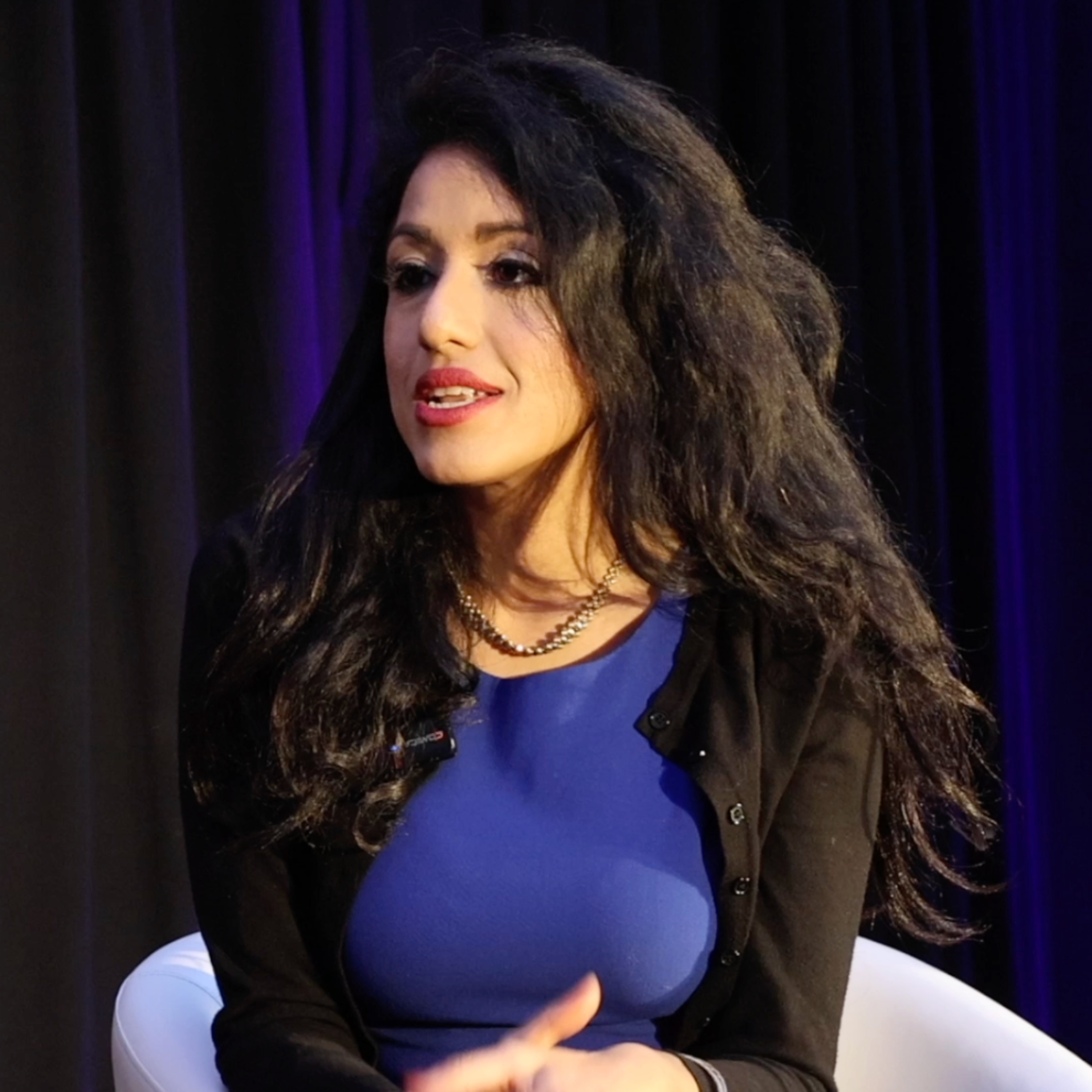
Instead of viewing partnerships like Nvidia and Eli Lilly as a competitive threat, Recursion's CEO sees it as powerful validation for the AI drug discovery space. This activity shifts the industry conversation from skepticism ('Will this work?') to urgency ('Who will win?'), benefiting pioneering companies like Recursion by confirming their founding thesis and attracting more investment and attention to the field.
Related Insights
Recursion's CEO outlines a two-pronged pipeline strategy. The first prong uses phenomics to uncover novel biological insights for new targets, like their FAP program. The second uses their AI-driven small molecule design platform to improve the therapeutic index for known but historically 'hard-to-drug' targets, like CDK7. This balanced portfolio approach de-risks development by leveraging different strengths of their end-to-end platform.
When a competitor (Beijing) presented similar positive data for its BTK degrader, the CEO of Neurix viewed it as a positive reinforcement for the entire drug class. In a novel field, parallel success from independent companies de-risks the underlying biological mechanism for investors, partners, and clinicians.

Unlike previous technologies, ChatGPT’s launch created immediate, widespread pressure on biopharma executives. Prompted by their boards and even families, they recognized the potential to leapfrog years of development, rapidly elevating AI on the corporate agenda despite concerns about data privacy and IP.

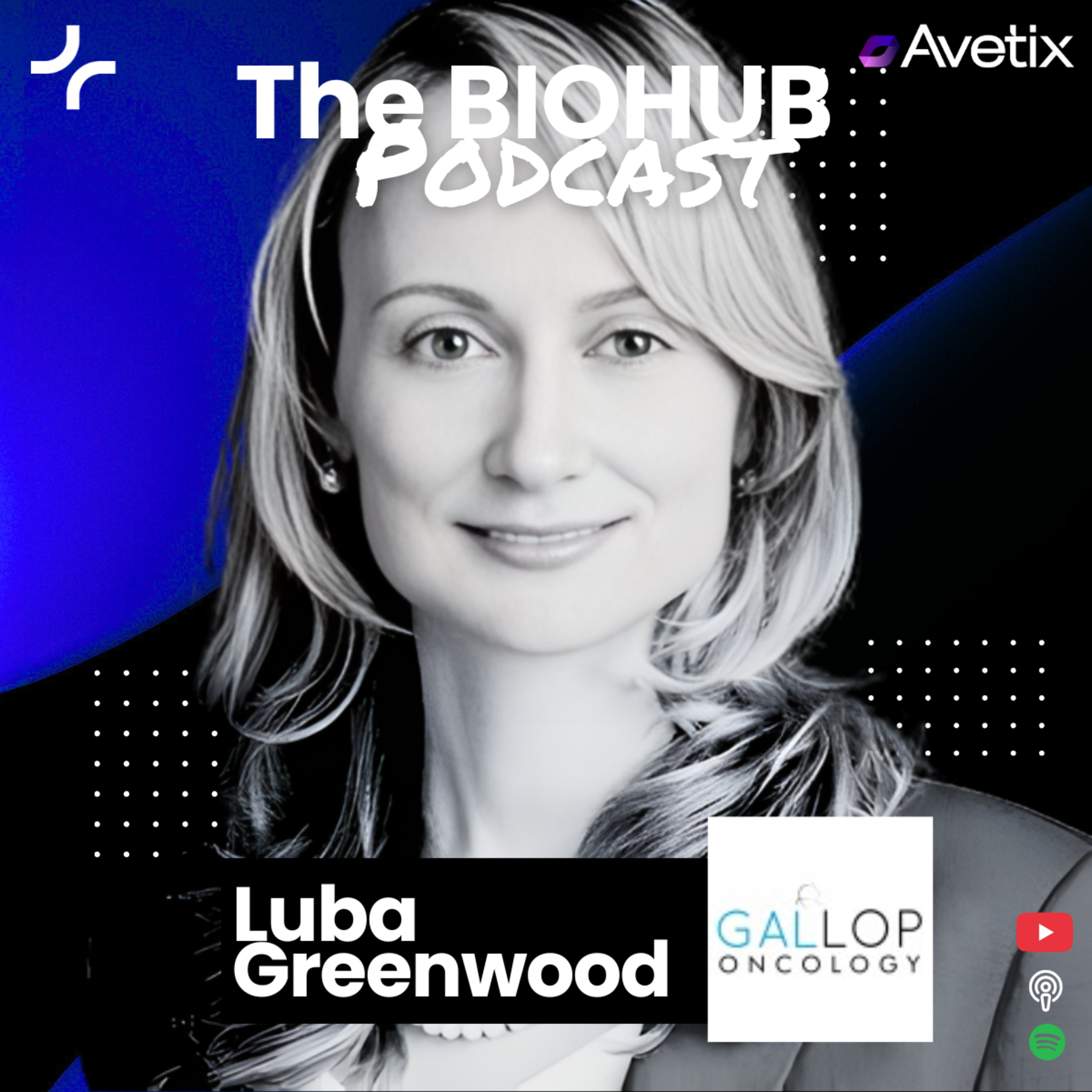
Luba Greenwood reframes competition in biotech as a positive force. When multiple companies pursue the same biological target, it validates the target's importance and accelerates discovery. This collaborative mindset benefits the entire field and, ultimately, patients, as the best and safest drug will prevail.
Many pharma companies have breakthrough AI results in isolated functions, or "pockets of excellence." However, the ultimate competitive advantage will go to the company that first connects these disparate successes into a single, integrated, enterprise-wide AI capability, thereby creating compounded value across the organization.
While most focus on AI for drug discovery, Recursion is building an AI stack for clinical development, where 70% of costs lie. By using real-world data to pinpoint patient locations and causal AI to predict responders, they are improving trial enrollment rates by 1.5x. This demonstrates a holistic, end-to-end AI strategy that addresses bottlenecks across the entire value chain, not just the initial stages.
Profluent CEO Ali Madani frames the history of medicine (like penicillin) as one of random discovery—finding useful molecules in nature. His company uses AI language models to move beyond this "caveman-like" approach. By designing novel proteins from scratch, they are shifting the paradigm from finding a needle in a haystack to engineering the exact needle required.

Bob Nelsen believes the industry overestimates AI's short-term impact and underestimates its long-term potential. He predicts that once a critical data threshold is met, AI models won't just accelerate drug discovery but will fundamentally invent new biology, creating a sudden, paradigm-shifting moment.

According to Immunocore's CEO, the biggest imminent shift in drug development is AI. The critical need is not for AI to replace scientists, but for a new breed of professionals fluent in both their scientific domain and artificial intelligence. Those who fail to adapt will be left behind.

Instead of promoting AI as a magical drug discovery engine, Recursion's CEO Najat Khan focuses on concrete efficiency metrics. She highlights designing drug candidates with 90% fewer compounds (330 vs. an industry average of 5,000) and in less than half the time (17 vs. 42 months). This frames AI's value in terms of measurable process improvements rather than unprovable hype.