Get your free personalized podcast brief
We scan new podcasts and send you the top 5 insights daily.
A common belief is that investment from a top-tier VC can guarantee a company's success. However, the hard-learned lesson is that capital alone cannot create a successful company. True success is predetermined by the founder's quality and strong product-market fit; VCs can only help navigate.
Related Insights
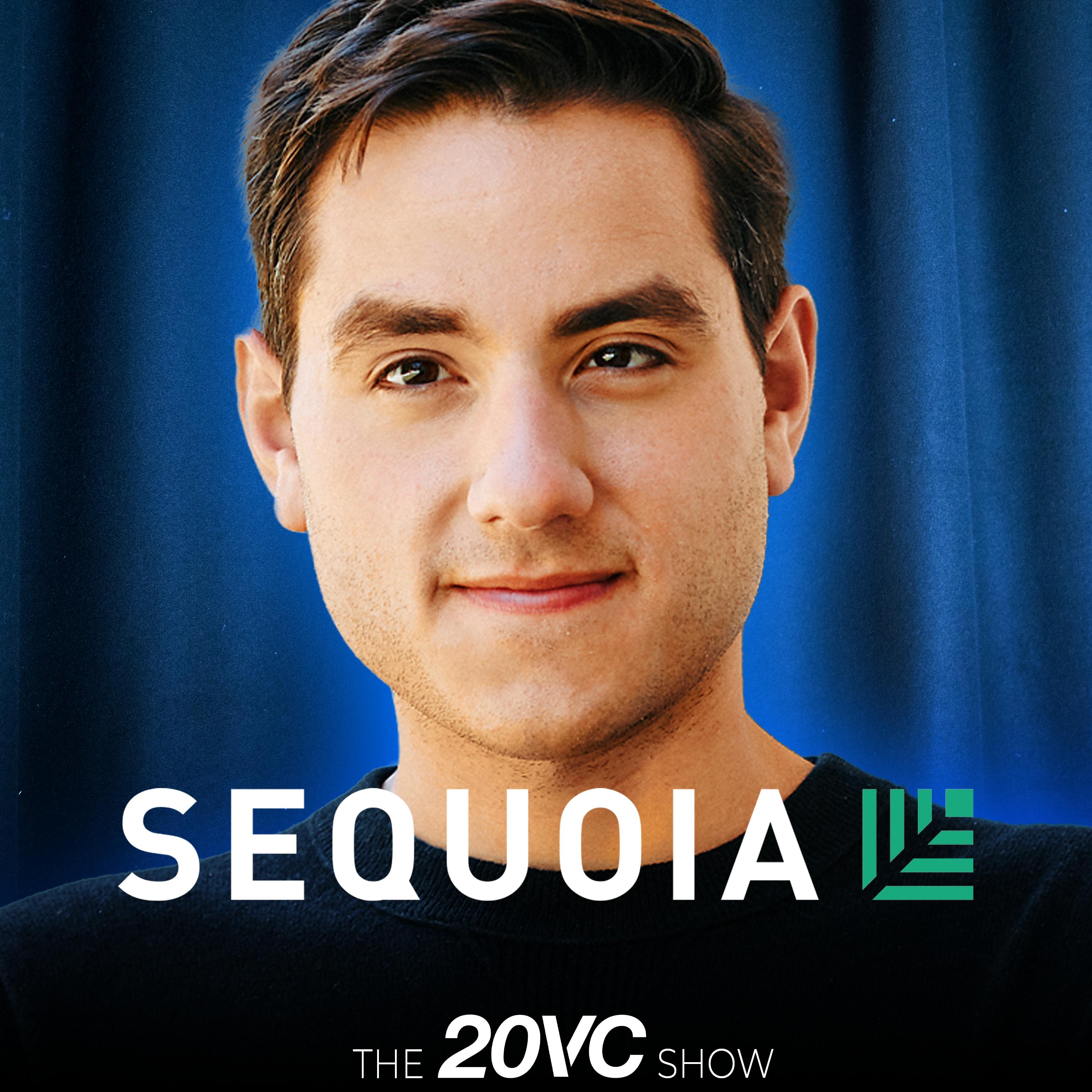
A venture capitalist's career security directly impacts the founder relationship. VCs with a proven track record (like Sequoia's Andrew Reed) act as supportive partners. In contrast, junior or less successful VCs often transfer pressure from their own partnerships onto the founder, creating a stressful and counterproductive dynamic.
A16z's foundational belief is that founders, not hired "professional CEOs," should lead their companies long-term. The firm is structured as a network of specialists to provide founders with the knowledge and connections they lack, enabling them to grow into the CEO role and succeed.

Echoing the Hippocratic Oath, a venture investor's primary job with a high-performing company is to stay out of the way and not disrupt its momentum. While providing resources for talent, capital, and strategy is valuable, it's secondary to the core principle of not interfering with a team that is already executing successfully.

VCs at the highest level don't just write checks; they fundamentally reset a founder's aspirations. By placing a startup in the lineage of giants like Google and Oracle, they shift the goal from building a big business to creating a generational company.
Founders with deep market fit must trust their unique intuition over persuasive, but generic, VC advice. Following the standard playbook leads to cookie-cutter companies, while leaning into the 'weird' things that make your business different is what creates a unique, defensible moat.

The hardest transition from entrepreneur to investor is curbing the instinct to solve problems and imagine "what could be." The best venture deals aren't about fixing a company but finding teams already on a trajectory to succeed, then helping change the slope of that success line on the margin.
While massive "kingmaking" funding rounds can accelerate growth, they don't guarantee victory. A superior product can still triumph over a capital-rich but less-efficient competitor, as seen in the DoorDash vs. Uber Eats battle. Capital can create inefficiency and unforced errors.
The firm distinguishes between speed (magnitude) and velocity (magnitude plus direction). Founders are encouraged to focus on velocity, ensuring the entire team is moving quickly *in the right direction*. This prevents wasted effort where mere motion is mistaken for progress, a common trap in turbulent markets.
The venture capital return model has shifted so dramatically that even some multi-billion-dollar exits are insufficient. This forces VCs to screen for 'immortal' founders capable of building $10B+ companies from inception, making traditionally solid businesses run by 'mortal founders' increasingly uninvestable by top funds.
VCs are incentivized to deploy large amounts of capital. However, the best companies often have strong fundamentals, are capital-efficient, or even profitable, and thus don't need to raise money. This creates a challenging dynamic where the best investments, like Sequoia's investment in Zoom, are the hardest to get into.