Get your free personalized podcast brief
We scan new podcasts and send you the top 5 insights daily.
When producers worried his audience might drift toward the manosphere, Vittorio Angelone reframed the issue. He argued it's crucial for moderate male voices to engage this demographic, providing a healthier alternative before they are captured by extremist figures like Andrew Tate.

Related Insights
The manosphere thrives because it provides a community for young men, a demographic that feels ignored. Its followers engage out of a desperate need for belonging. This phenomenon highlights a failure of other social and political groups, particularly 'the left,' to create appealing communities for young men.

The appeal of the Manosphere isn't merely its controversial ideology. For many young men, it's one of the few available spaces to find a sense of community, shared purpose, and bonding, highlighting a void left by mainstream institutions.

The podcast actively redefines being a "moderate" from a passive, "mushy" position to an aggressive one. They argue that true moderates "rage against the extremes" and represent a principled stance of critical thinking, not a lack of conviction. This reframes the political center as a fighting position for an audience that wants consensus but doesn't want to "give up the fight."

When mainstream culture refuses to offer positive frameworks for masculinity, only addressing it with negative prefixes like "toxic," it creates a vacuum. It cannot then complain when alternative, sometimes extreme, voices step in to fill that void and answer young men's need for guidance.

While mainstream liberal politics often frames young men as 'the problem,' the far right has actively courted this disenfranchised group. This political vacuum allowed extremist ideologies to fill the void, capturing a significant and politically potent demographic by acknowledging their struggles.
The political left often alienates young men by framing them as 'the problem,' while the far-right offers a regressive, misogynistic vision. This failure from both sides to constructively address the genuine challenges young men face leaves them vulnerable to extremist narratives that thrive in the resulting ideological vacuum.

To effectively engage men, the message must shift from a victim-focused "we're here to help you" to a purpose-focused "society needs you." The latter taps into a core male desire for utility and duty, whereas the former can feel patronizing and alienating.
Scott Galloway posits that the show's non-extremist stance makes it unpalatable to social media and content algorithms designed to promote polarizing material. This positions their content as a deliberate choice for listeners, implying it won't be surfaced automatically and must be actively sought out by those tired of algorithm-driven rage bait, turning a distribution challenge into a feature.
The speaker believes mainstream media often tells men they are unloved, incapable, and unnecessary. In contrast, his platform's content for young men focuses on an empowering message: 'You are loved unconditionally by God. You are capable. And people need you.' This directly addresses a perceived cultural void.
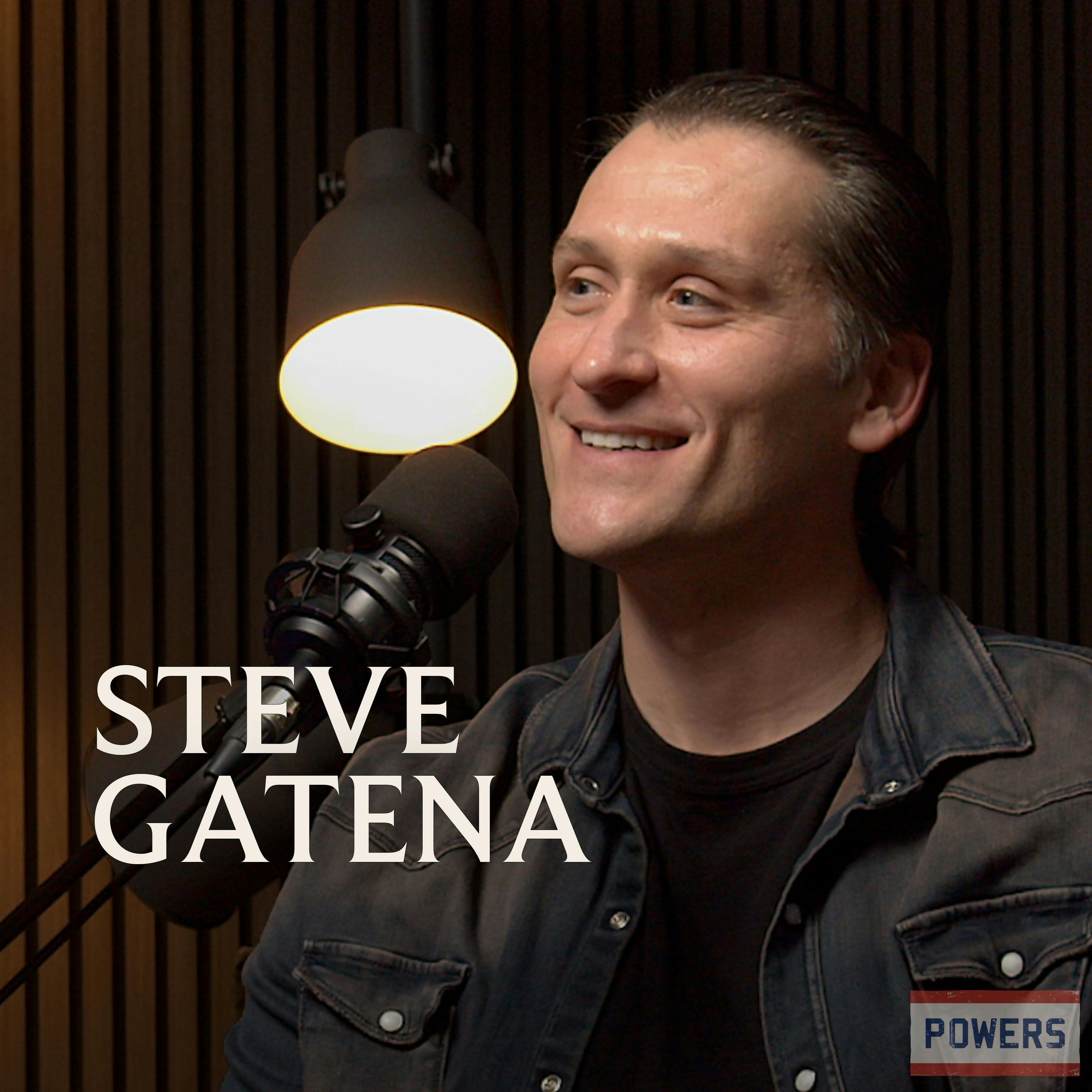
During the Me Too movement, GQ's editor identified that while the culture was demanding men change, it wasn't articulating a positive path forward. GQ's strategy was to provide constructive guidance on how men could evolve, filling a crucial gap in the conversation and demonstrating brand leadership on a sensitive topic.