Get your free personalized podcast brief
We scan new podcasts and send you the top 5 insights daily.
The goal for a social cause shouldn't be to remain a hot-button topic. It should become so mainstream and integrated into policy (e.g., a government commission or federal office) that it's considered a "boring," administratively handled problem, ensuring its longevity beyond cultural trends.

Related Insights
Lasting transformation doesn't happen overnight. It follows a three-stage progression: a single 'moment' creates an opportunity, which must be built into sustained 'momentum,' and then finally cultivated into a full-fledged 'movement.' Understanding this 'Three M's' framework is key to achieving large-scale change.
Humans adapt their expectations downwards, becoming accustomed to systemic problems like corruption, sexism, or poor healthcare. This habituation makes terrible conditions seem normal and inevitable, alleviating personal pain but also blunting the collective motivation required to challenge and change them.

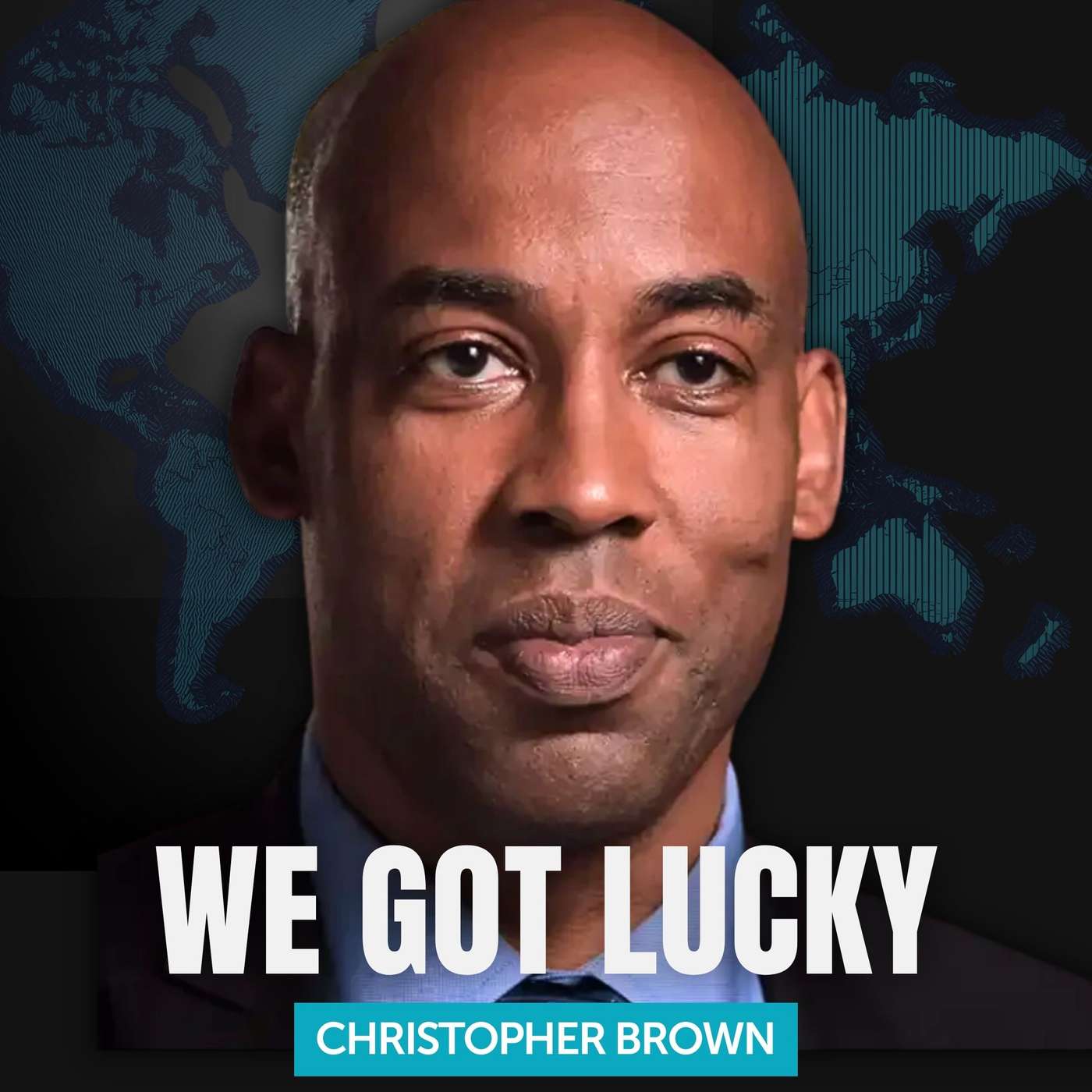
The fact that slavery abolition was a highly contingent event demonstrates that moral progress isn't automatic. This shouldn't be seen as depressing, but empowering. It proves that positive change is the direct result of deliberate human choices and collective action, not a passive trend. The world improves only because people actively work to make it better.
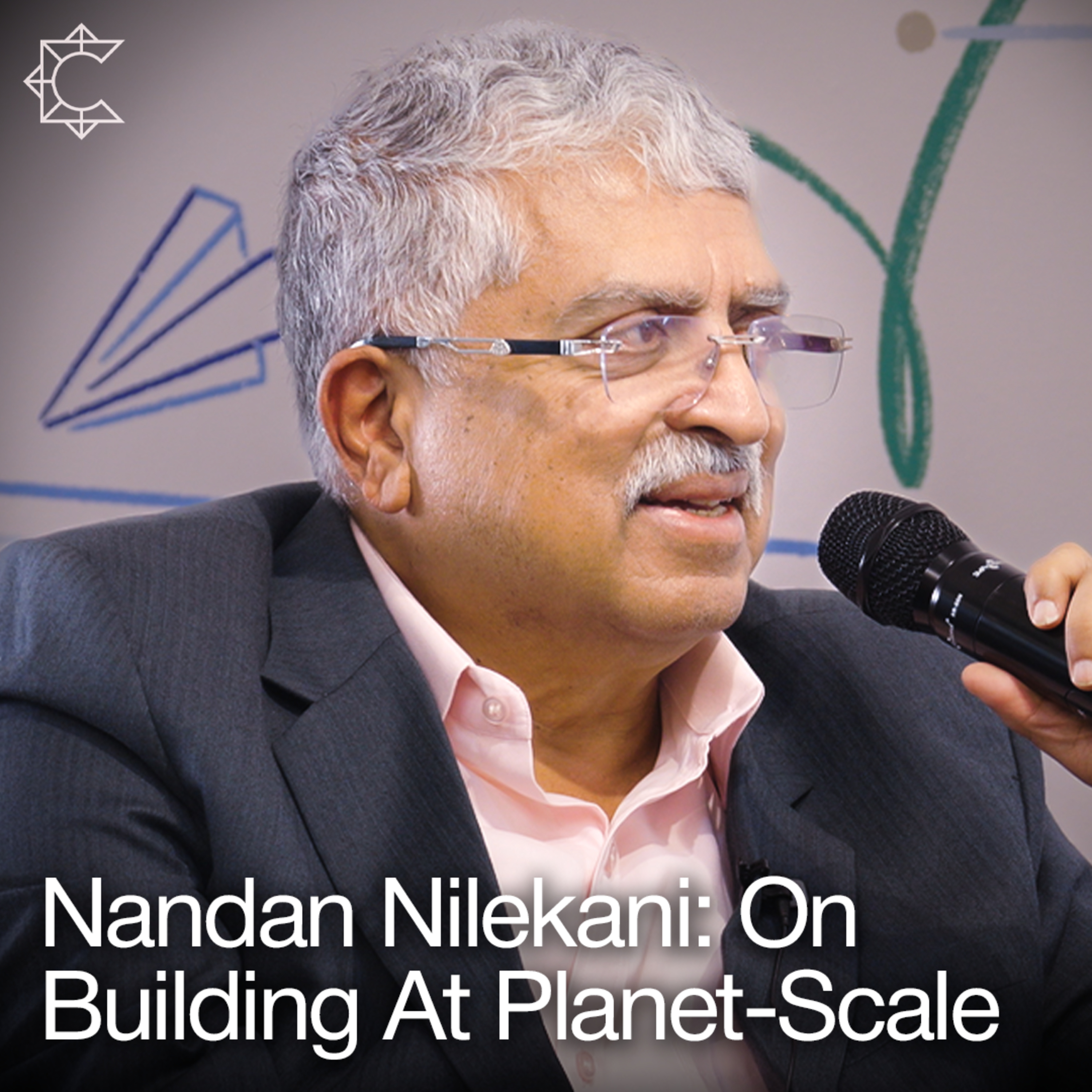
Contrary to movie portrayals, real political change rarely happens in a single, dramatic moment. It's a slow, arduous 'movement' that requires sustained participation within existing institutions. Lasting impact comes from changing the system from the inside, not from being an external disruptor.

Prioritize projects that promise significant impact but face minimal resistance. High-friction projects, even if impactful, drain energy on battles rather than building. The sweet spot is in areas most people don't see yet, thus avoiding pre-emptive opposition.
Engaging in polarized debates is like joining a massive tug-of-war with minimal marginal impact. IFP's strategy is to find important, orthogonal issues without a strong partisan valence, like science funding mechanisms, where they can achieve significant change.

Expecting top-down change from political party leadership is a flawed strategy. True societal transformation starts with grassroots movements and shifts in public sentiment. Political parties are reactive entities that eventually adopt agendas forced upon them by the people they seek to represent, making them followers, not initiators, of change.

When building a new and potentially controversial field, strategic prioritization is key. Start with issues that are familiar and relatable to a broader audience (e.g., bird-safe glass in cities) to build institutional support and avoid immediate alienation. This creates a foundation before exploring more radical or abstract concepts.

A former White House advisor noted that the core theories behind major policies are often well-established. The true challenge and critical skill is navigating the complex government process—the interagency meetings and procedures—to translate an idea into official action.
People are skeptical of change because they doubt it will work or improve their lives. The most effective way to change minds and build motivation is to demonstrate small, visible wins. This tangible progress is the engine that shifts perspectives and brings previously hesitant people on board.