Get your free personalized podcast brief
We scan new podcasts and send you the top 5 insights daily.
12th-century Florence had a 90% male literacy rate due to commercial needs, yet this didn't spur an intellectual revolution. The crucial change was the later proliferation of books, which transformed basic literacy into 'book literacy.' Access to content, not just the ability to read, is what creates an environment for new ideas.

Related Insights
The loss of cheap Egyptian papyrus after Rome's fall forced medieval Europe to write on parchment—processed sheepskin. A single book cost as much as a house, making knowledge prohibitively expensive. This material bottleneck, more than illiteracy, choked the flow of information and distinguished Europe from the book-rich Middle East and China.
Thriving civilizations first become masters of imitation, openly absorbing ideas and technologies from other cultures through trade and migration. This diverse pool of borrowed 'ingredients' becomes the foundation for true innovation, which is the novel combination of existing concepts.

In an era of freely available information, the barrier to expertise is no longer access, but ambition. The speaker reframes information overload as an opportunity, stating there's no excuse for not becoming the most knowledgeable person on a chosen subject. It's a matter of dedication, not privilege.

The current AI shift mirrors the invention of the printing press. Just as the press made reading/writing accessible beyond a small scribe class, AI is making software creation accessible to everyone, potentially unlocking a new "Renaissance" of innovation.

A single technological breakthrough, like the printing press or the computer, doesn't change the world overnight. Its impact comes in successive waves as new applications are developed: the book led to the pamphlet, then the newspaper, then the magazine. Each wave causes a new societal disruption, meaning a single revolution can reshape society for over a century.
Reading is not an innate human ability. The process of learning to read physically rewires the brain, forging new connections between regions not originally designed to work together. This reconfigured brain becomes capable of generating and comprehending far more sophisticated ideas than one shaped only by oral culture.

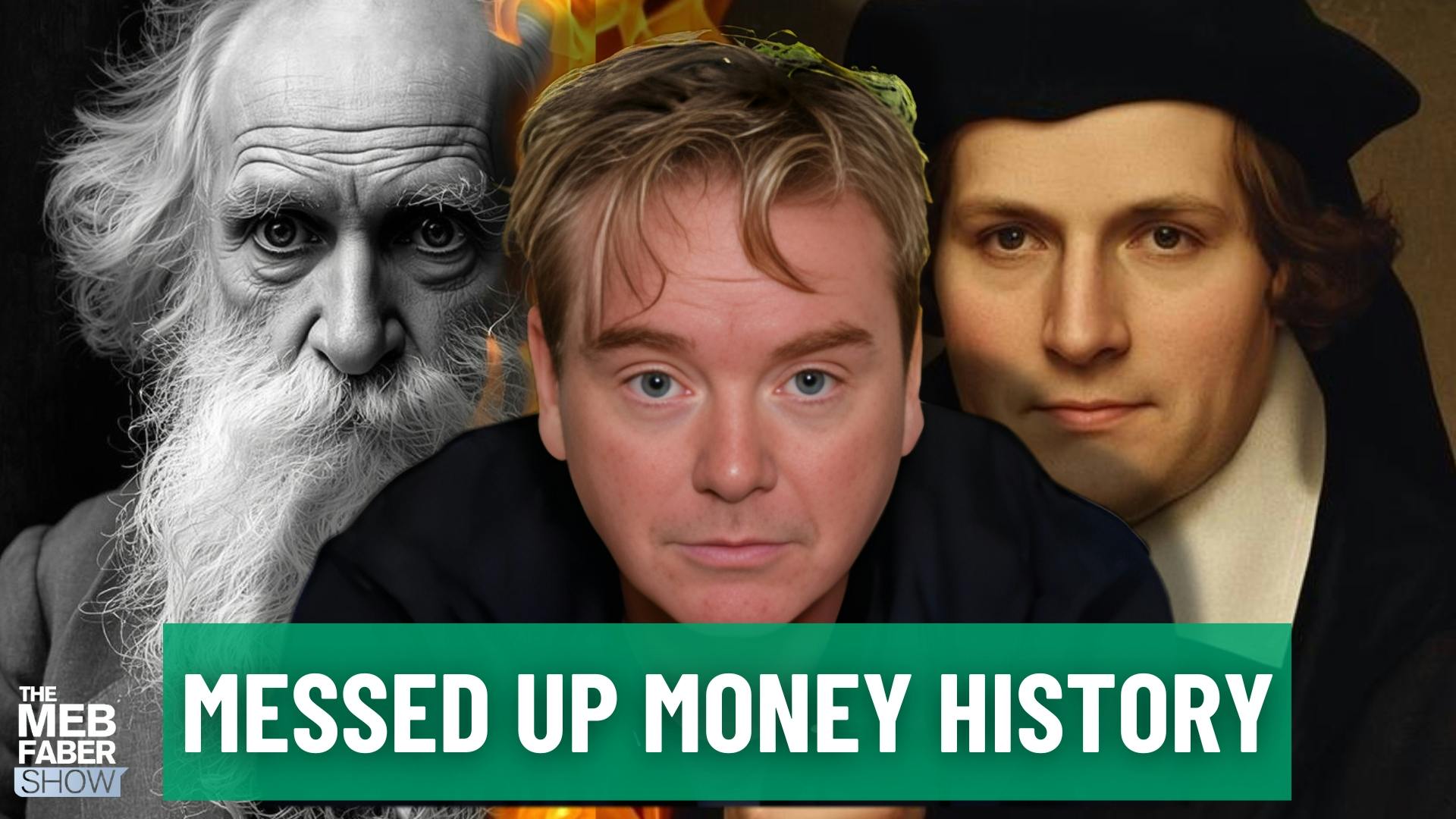
The printing press, a technology financed by the Catholic Church to solidify its power, was weaponized by Martin Luther to dismantle that same power. By printing pamphlets with bullet-pointed arguments, he bypassed the establishment's information monopoly, acting as the first mass-media disruptor.
The printing press didn't just spread information; it forged modern nations. By concentrating publishing in major cities, it standardized local vernaculars (e.g., Parisian French), creating linguistic communities that became the foundation for national identity and replaced the pan-European Latin elite.

The printing press was a mass-production technology in a world without mass distribution. Gutenberg went bankrupt because he could print 300 Bibles but had no way to sell them outside his small town. The technology only became viable when printers in port cities like Venice could leverage existing shipping networks.
The Renaissance began as an attempt to create virtuous leaders by reviving Roman education. The project failed to produce better rulers but succeeded in building the necessary infrastructure—libraries and scholarly networks. This intellectual ecosystem, created for one purpose, became the fertile ground for the Scientific Revolution generations later.