Get your free personalized podcast brief
We scan new podcasts and send you the top 5 insights daily.
To overcome political hurdles and NVIDIA's dominance, Cerebras partnered with AWS by creating a joint architecture that combined its chip with AWS's own Tranium IP. This turned a potential internal competitor into a champion and gave AWS a unique, competitive offering.

Related Insights
By investing in chip designer Marvell, NVIDIA ensures that even when hyperscalers develop custom chips, they must still use NVIDIA's NVLink interconnect. This keeps NVIDIA embedded in the stack, preventing competitors like Broadcom from creating a completely proprietary, NVIDIA-free system.

Tech giants often initiate custom chip projects not with the primary goal of mass deployment, but to create negotiating power against incumbents like NVIDIA. The threat of a viable alternative is enough to secure better pricing and allocation, making the R&D cost a strategic investment.

While known for its GPUs, Nvidia's real competitive advantage comes from years of hands-on work integrating its entire stack with companies across many industries. This deep partnership model makes it incredibly difficult for customers to switch to competitors.

For a hyperscaler, the main benefit of designing a custom AI chip isn't necessarily superior performance, but gaining control. It allows them to escape the supply allocations dictated by NVIDIA and chart their own course, even if their chip is slightly less performant or more expensive to deploy.
While AWS's Tranium chip lags Nvidia's general-purpose GPUs in raw performance, its success with startup Descartes in real-time video highlights a viable strategy: win by becoming the best-in-class solution for specific, high-value workloads rather than competing head-on.
Amazon is considering a significant pivot from its cloud-centric model by planning to sell its custom AI chips, like Trainium, directly to enterprises for use in their own data centers. This move aims to capture customers in regulated industries and those struggling with high costs and shortages of Nvidia GPUs.
Major AI companies like Amazon and OpenAI develop their own chips primarily to avoid dependency on a single supplier like Nvidia. This strategic move, learned from the era of Intel's dominance in the x86 market, is about controlling their own destiny and mitigating supply chain risk, rather than simply trying to build the world's fastest chip.

A successful hyperscaler partnership requires more than just technical integrations. SentinelOne's growth with AWS was accelerated by aligning on a core technology (AI) and, critically, by leveraging Channel Partner Private Offers (CPPOs) to drive scale and growth through their existing channel ecosystem.

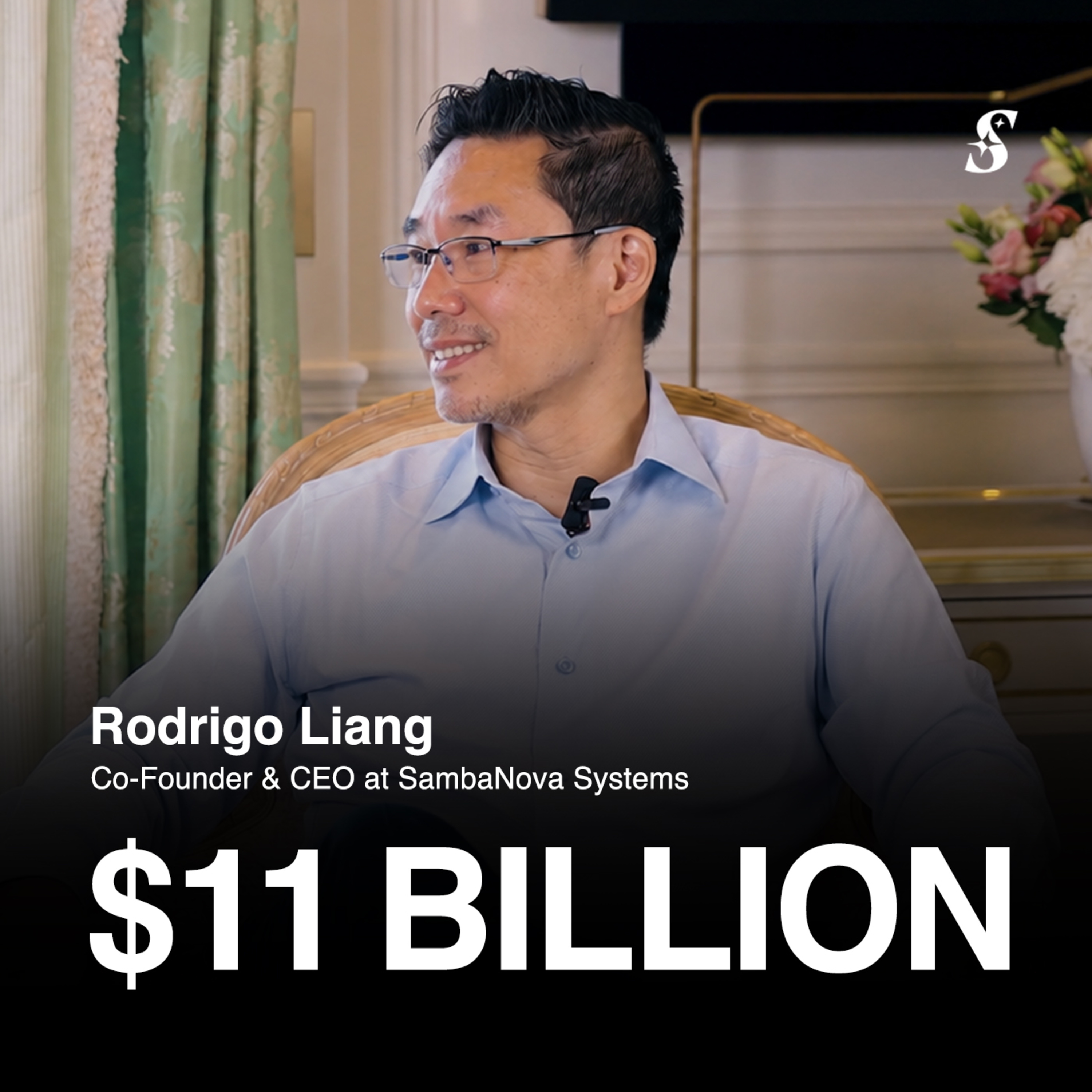
When all cloud providers offer the same NVIDIA hardware, they are forced to compete on price, eroding margins. By integrating specialized hardware like SambaNova's, they can offer premium, differentiated services—such as faster inference on larger models—allowing them to charge more and improve overall business economics.
Beyond capital, Amazon's deal with OpenAI includes a crucial stipulation: OpenAI must use Amazon's proprietary Trainium AI chips. This forces adoption by a leading AI firm, providing a powerful proof point for Trainium as a viable competitor to Nvidia's market-dominant chips and creating a captive customer for Amazon's hardware.