Get your free personalized podcast brief
We scan new podcasts and send you the top 5 insights daily.
Siblings frames its $34 refill not as a cheap option, but as a high-value alternative to premium brands like Diptyque. By emphasizing their use of master perfumers and clean ingredients, they change the comparison point, making their product seem like a smart luxury purchase rather than a budget one.

Related Insights
To combat price objections, artisan cheese expert Adam Moskowitz reframes his product not as expensive, but as valuable. The superior flavor-per-bite of quality cheese provides more intrinsic value than cheaper, mass-market alternatives that primarily offer a generic 'creamy' texture.

Instead of discounting its $3,000 trench coat, Burberry is driving growth by elevating its $300 scarf into a 'hero product' with dedicated 'Scarf Bars.' This tactic engages aspirational but price-sensitive consumers without devaluing the core brand.

Siblings intentionally mirrors its brand message of "slowing down" in its business operations. As a bootstrapped company, they reject the "quick, fast growth" VC model for a sustainable, long-term approach. This alignment between product philosophy and business strategy creates powerful brand authenticity.
A major adoption hurdle for Siblings' refillable candles is the customer's perception of a complex, DIY project. They address this "DIY friction" head-on by using simple, everyday analogies, comparing the process to making a cup of coffee to immediately convey its ease and remove the intimidation factor.
To sell its novel refill concept, Siblings didn't just market a feature; they made consumers aware of a latent pain point. By asking, "Do you have a drawer filled with empty jars?", they created an instant "aha" moment. This resonated deeply and organically spread the word by framing their product as the obvious solution.
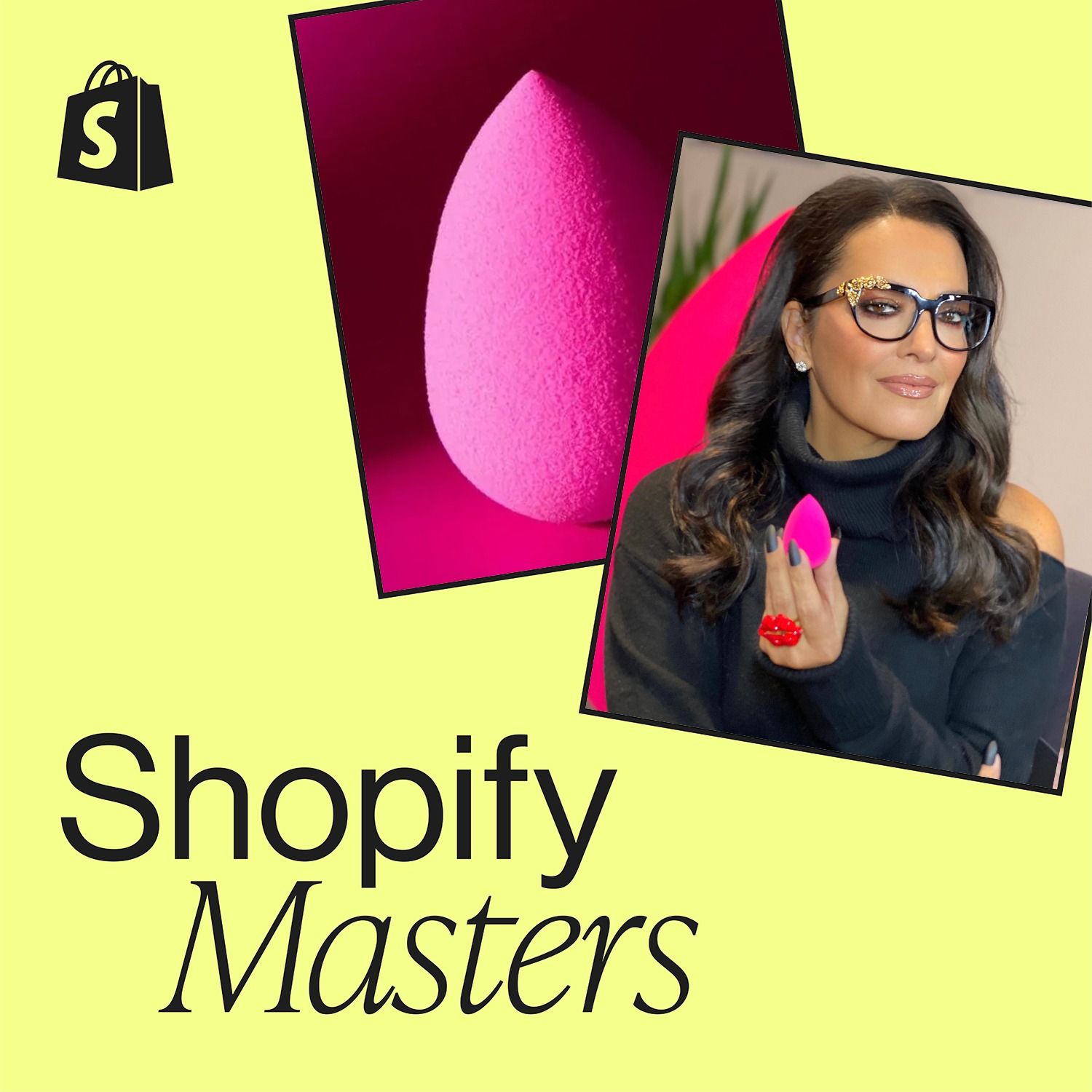
Initially threatened by dupes, Rianne Silva reframed them as a necessary market force. The existence of cheaper alternatives allowed Beauty Blender to constantly reinforce its own story of originality, quality, and superior performance, strengthening its premium brand positioning.
The marketing appeal of "eco-friendly" may be waning. For a brand like Siblings refillable candles, a more powerful angle is to position the product as a form of modern luxury: owning fewer, higher-quality, permanent items. This shifts the focus from environmental obligation to aspirational lifestyle and superior design.

To combat a 'cheap' reputation, online retailer Quince strategically sells limited-run, high-end items like caviar and gold bars unrelated to its core fashion line. These 'halo products' create 'luxury by association,' elevating the entire brand's perception in the minds of consumers, a tactic also used by Costco.

When competitors focus on convenience, a premium brand can stand out by highlighting specific, high-quality ingredients from recognizable third-party brands (e.g., La Colombe coffee). This provides a tangible and credible story of superior quality that customers can trust.
Instead of treating collaborations purely as marketing, Siblings leverages them to develop its most unique and best-selling scents. Partnerships with brands like Fly By Jing and Rooted led to innovative fragrances that became core to their product line, turning collabs into a form of R&D.