Get your free personalized podcast brief
We scan new podcasts and send you the top 5 insights daily.
Berkowitz and Raz advise sauna hat creator Tara Gilman to focus on in-person club trials instead of digital advertising. Because consumers do not intuitively understand wearing wool hats in high heat, live demonstrations bridge the education gap faster. Seeing others use an unusual product live breaks down social friction and drives word-of-mouth sales.

Related Insights
Unlike software, marketing physical hardware demands a significant focus on in-person experiences like trade shows and partner events. Customers need to physically touch and interact with the product to understand its differentiation, something a spec sheet cannot convey. This fundamentally shifts the marketing mix away from purely digital channels.

For innovative, physical products like Shiki Wrap, in-person demos are not a distraction but a core growth strategy. They provide crucial consumer education and create authentic marketing content that is hard to replicate online, especially during peak seasons.

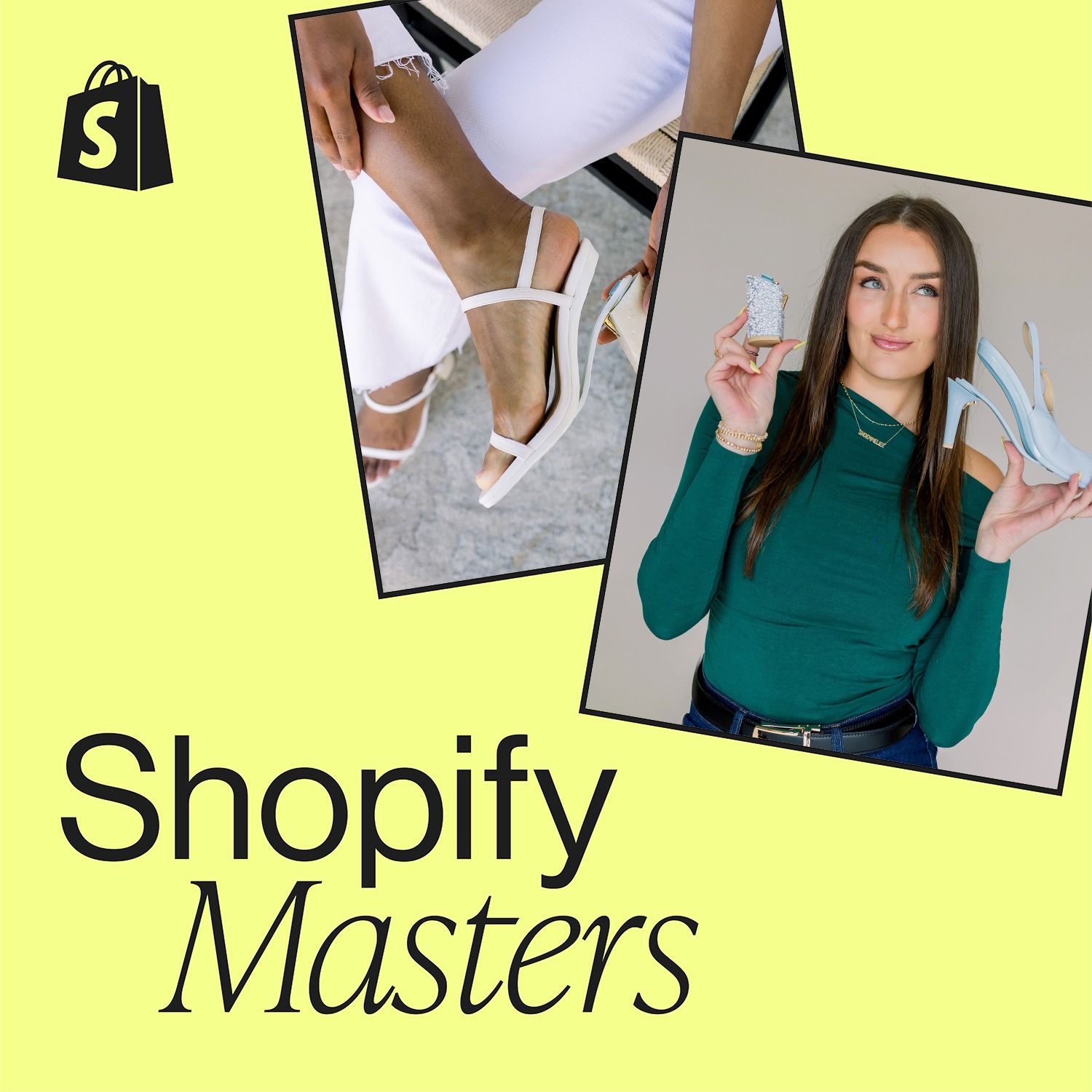
At pop-up events, founder Haley Pavoni saw a 90% purchase rate when she demonstrated her convertible shoe, versus near-zero otherwise. Realizing the demo was key, she scaled that experience by filming TikToks, creating a highly effective, zero-cost customer acquisition channel.
When first placed in a grocery store, Scrub Daddy sold zero units because customers didn't understand it. Sales only took off when Krause performed live demos with hot and cold water. This proves that truly novel products require demonstration to overcome consumer habits.
To overcome skepticism about a $5 electric toothbrush, John Osher borrowed the "Try Me" button concept from the toy industry. This allowed customers to feel the motor's power in-store, instantly building credibility and driving sales in a category unfamiliar with interactive packaging.
For novel hardware like AI glasses, forcing in-person purchase at retailers like LensCrafters allows for guided setup. This strategy minimizes negative reviews from untrained users, ensuring early adopters have a positive experience and become advocates, even at the cost of sales friction.

When customers are hesitant to adopt a new product due to uncertainty about its value or ease of use, lower the upfront cost of trial. Create a low-risk way for them to experience the benefits firsthand, like a car test drive or a 'white glove' training session, to resolve their uncertainty directly.
Both advertising legend Claude Hopkins and cosmetics queen Estée Lauder discovered a core truth: product demonstrations and samples are vastly more persuasive than verbal pitches. Letting the product speak for itself creates belief and a natural desire for customers to reciprocate.

To compete with networking giants, Meraki ran webinars where attendees received a free access point. This allowed potential customers to experience the product's superior ease-of-use firsthand. For products where the user experience is the core differentiator, getting the product into users' hands is the most powerful sales motion.

An unconventional distribution model, like in-person park drops, is a strategic tool for early founders. It creates a rare opportunity for direct, face-to-face feedback on product and purchasing motivation before scaling into retail channels where that intimate customer connection is lost.