Get your free personalized podcast brief
We scan new podcasts and send you the top 5 insights daily.
From in-car toilets to jumping cars, China is experiencing a wave of unusual product innovation. Driven by intense domestic competition, this experimentation may signal a "golden age" similar to America's pre-WWI boom, potentially producing globally significant technologies.

Related Insights
China's harsh, deflationary economic environment and intense domestic competition, while causing many companies to fail, effectively hones a select few into highly resilient and efficient champions. These survivors are now prepared for successful global expansion.
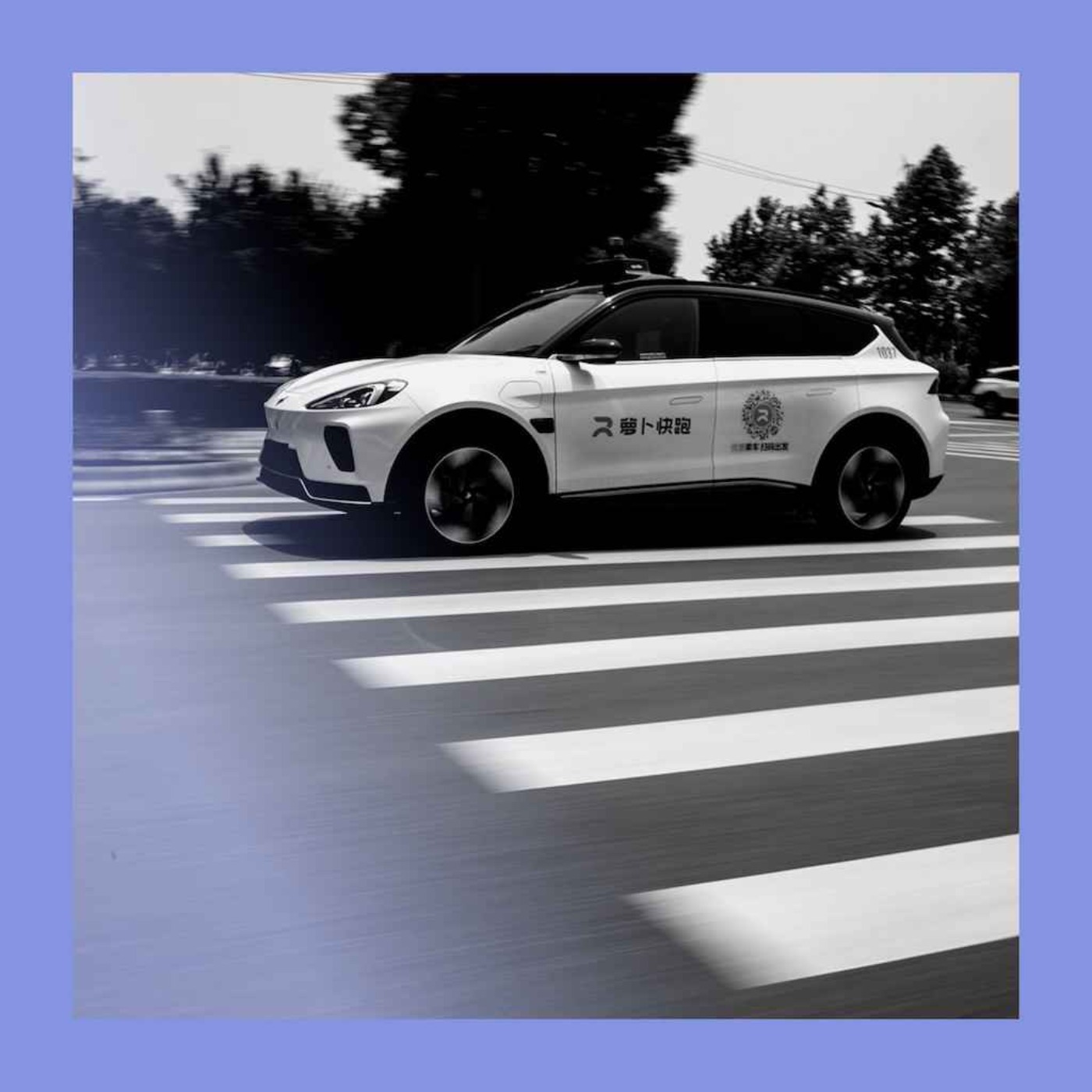
Contrary to perceptions of rigid control, China accelerates tech progress by empowering local regulators to be agile. These regulators create urban "test beds" for technologies like autonomous taxis, which entices talent and investment, turbocharging development cycles far ahead of Western counterparts.
While Apple, valued in the trillions, abandoned its car project after a decade, Chinese electronics firm Xiaomi, worth a fraction as much, launched a record-beating electric vehicle in three years. This highlights the execution-focused, vertically integrated model that allows Chinese companies to out-maneuver wealthier but less agile Western competitors.
![Dan Wang - The US vs China In The 21st Century - [Invest Like the Best, EP.444] thumbnail](https://megaphone.imgix.net/podcasts/e1599a88-a9f6-11f0-b532-e3695bb27d60/image/0f5c07552cef2689e5834d56786ad6f1.jpg?ixlib=rails-4.3.1&max-w=3000&max-h=3000&fit=crop&auto=format,compress)
Dan Wong argues that the West wrongly separates 'innovation' (its domain) from 'scaling' (China's domain). Chinese workers innovate daily on factory floors, giving them a practical edge. For instance, Tesla's Shanghai Gigafactory workers are over twice as productive as their California counterparts due to superior automation and process improvements.

Unlike the U.S. government's recent strategy of backing single "champions" like Intel, China's successful industrial policy in sectors like EVs involves funding numerous competing companies. This state-fostered domestic competition is a key driver of their rapid innovation and market dominance.

China's developer community isn't just adopting new AI agent technologies; they are doing so with extreme speed and creativity. This "craze" is fueled by a palpable fear of missing out (FOMO), leading to novel applications like AI agent dating apps and a frenzy of startup activity.

Uber's CEO argues China's EV dominance is a product of a unique hybrid model. The government sets a top-down strategic goal, but then over 100 domestic companies engage in "brutal," bottoms-up competition. The winners, like BYD, emerge battle-tested and highly innovative.

China strategically skipped competing in established markets like internal combustion engines to focus on emerging technologies like electric vehicles. This allowed them to build a competitive advantage from the ground up, leveraging their domestic market and dense supply chains to become world leaders.
![John Arnold - China, Energy Markets and Fixing America's Systems - [Invest Like the Best, EP.461] thumbnail](https://megaphone.imgix.net/podcasts/8d466670-1755-11f1-baf2-dfb3d97a3978/image/4ec9ac82b5c7a937e9e90aa69d037805.jpg?ixlib=rails-4.3.1&max-w=3000&max-h=3000&fit=crop&auto=format,compress)
Contrary to the view of a monolithic state, China's economic strength comes from intense competition between its provinces. This hyper-local market forces companies to become incredibly resilient, and only the strongest, like BYD, survive to dominate globally.

Contrary to the Western perception of a monolithic state-run system, China fosters intense competition among its provinces. Provincial leaders are incentivized to outperform each other, leading to massive, parallel innovation in industries like EVs and solar, creating a brutally efficient ecosystem.
