Get your free personalized podcast brief
We scan new podcasts and send you the top 5 insights daily.
While conceptually appealing, dual-payload ADCs pose immense manufacturing (CMC) challenges. A more pragmatic, de-risked approach is to first validate therapeutic synergy by combining a single-payload ADC with a separate small molecule drug in the clinic, proving the concept before tackling complex dual-payload engineering.

Related Insights
To combat payload-related resistance, clinicians are reluctant to use two ADCs with the same payload (e.g., a deruxtecan) consecutively. The preferred strategy is to 'sandwich' a different class of chemotherapy between the two ADCs, hoping to restore sensitivity to the payload.

Dr. Patrick Baeuerle suggests that instead of engineering complex co-stimulatory signals into T-cell engagers, a more effective strategy is to combine them with standard-of-care treatments like chemotherapy or ADCs. This approach dramatically augments efficacy and has already prompted multiple Phase 3 trials.

Combining two payloads in an Antibody-Drug Conjugate (ADC) introduces a major risk: new, synergistic toxicities not seen with either agent alone. This complicates dose-finding and safety assessment, requiring developers to anticipate and monitor for entirely novel side effects.

To mitigate the severe toxicity of promising pan-RAS inhibitors, companies are adopting antibody-drug conjugate (ADC) technology. This marks a strategic expansion for ADCs, moving beyond traditional cytotoxic chemotherapy payloads to delivering highly specific targeted therapies, aiming to improve the therapeutic window of potent new drug classes.

The primary reason Antibody-Drug Conjugates (ADCs) stop working is payload resistance, a shift from the traditional belief that failure stems from tumors losing the target antigen. This insight drives development of multi-payload ADCs to overcome this resistance mechanism.
When launching a new technology platform, minimize initial biological risk. Synthetic Design Lab intentionally applied its advanced logic-gating to antibody-drug conjugates (ADCs)—a proven modality—rather than novel immunotherapy. This strategy allowed them to validate the platform's technical power without the confounding variables of complex, unproven biology.

Emerging data shows that a second ADC, particularly one with the same payload, often has limited efficacy. This suggests clinicians must be highly strategic in selecting the first ADC, as it may be their most impactful opportunity for this class of drugs.
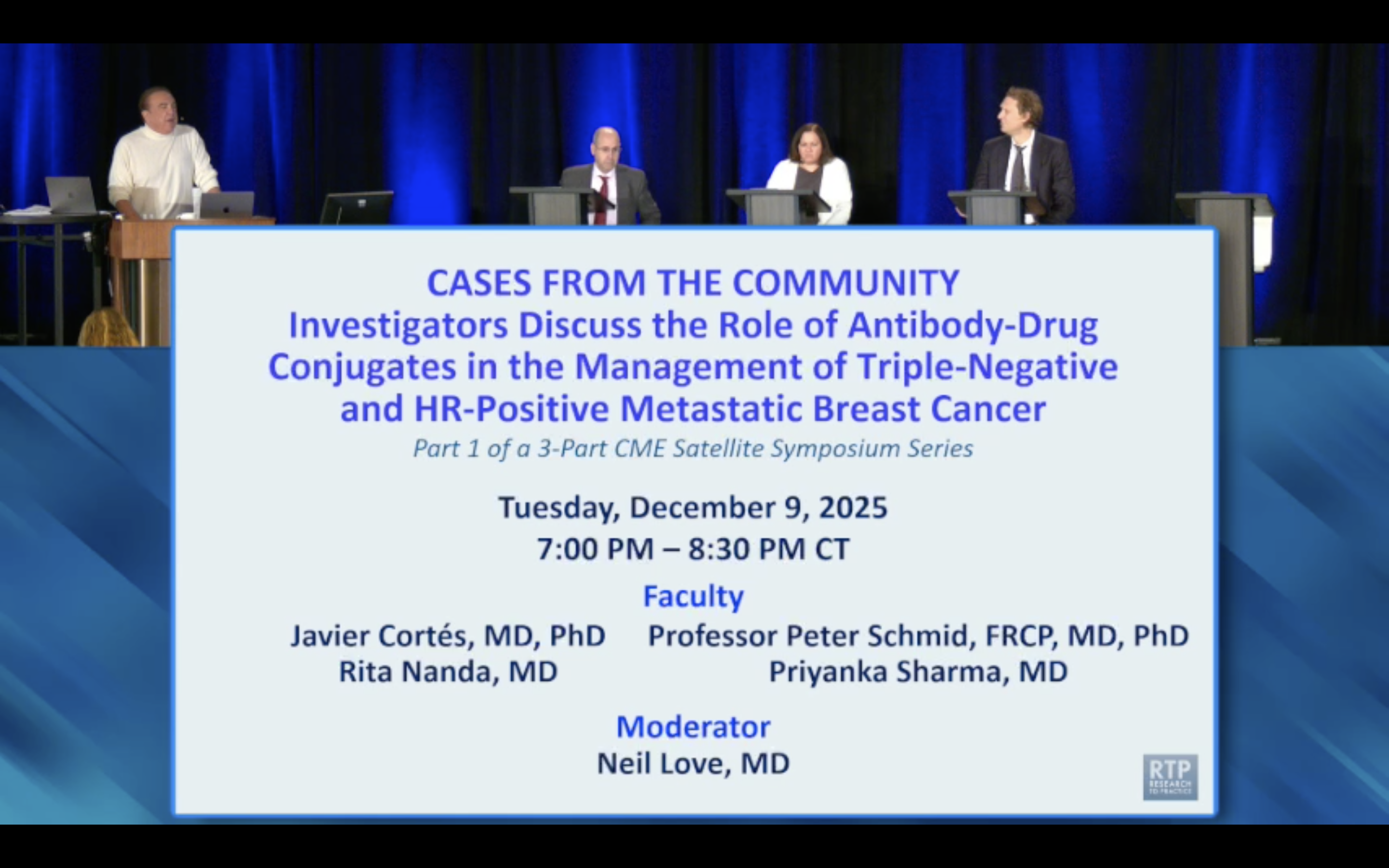
A promising future strategy for ovarian cancer involves combining two different ADCs. The key to this approach is selecting agents with distinct payloads (e.g., an anti-microtubulin and a TOPA-1 inhibitor) whose side effect profiles do not overlap. This could maximize anti-tumor efficacy while maintaining a manageable toxicity burden for patients, offering a novel combination paradigm.

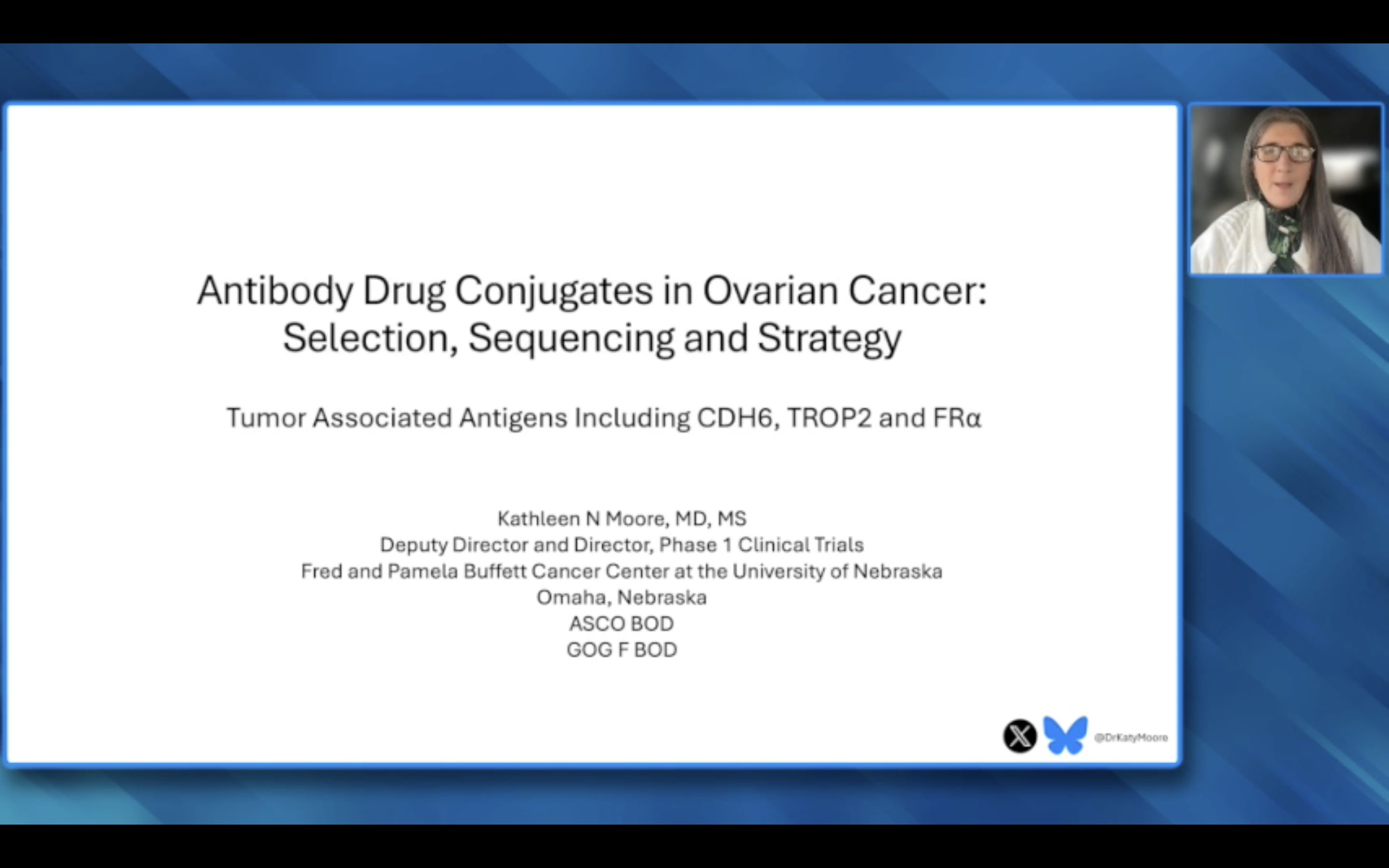
As multiple effective Antibody-Drug Conjugates (ADCs) become available, the primary clinical challenge is no longer *if* they work, but *how* to use them best. Key unanswered questions involve optimal sequencing, dosing for treatment versus maintenance, and overall length of therapy, mirroring issues already seen in breast cancer.
Adcytherix selects its novel ADC payloads from drugs already approved for cancer treatment. This innovative strategy ensures the payload has a known, positive therapeutic index from the start, making the resulting ADC potentially safer and more tolerable than those using ultra-potent toxins with no established safety window in humans.