Get your free personalized podcast brief
We scan new podcasts and send you the top 5 insights daily.
A decision is only a true test of values when it costs something. When Basecamp banned politics at work, they lost 20-30% of their staff and faced backlash. By sticking to their personal values, they attracted aligned talent and built a stronger company long-term.

Related Insights
Early Vanguard employees often left for small raises but quickly sought to return. The company's powerful mission-oriented culture proved to be a stronger retention tool than money, demonstrating that purpose can outweigh short-term financial incentives.

Political and social climates are prone to volatile swings. Instead of reacting to short-term trends (e.g., DEI focus vs. rollback), leaders should define their company by core principles that will remain true in two decades. This provides stability and authenticity, making everything else just a fleeting trend.
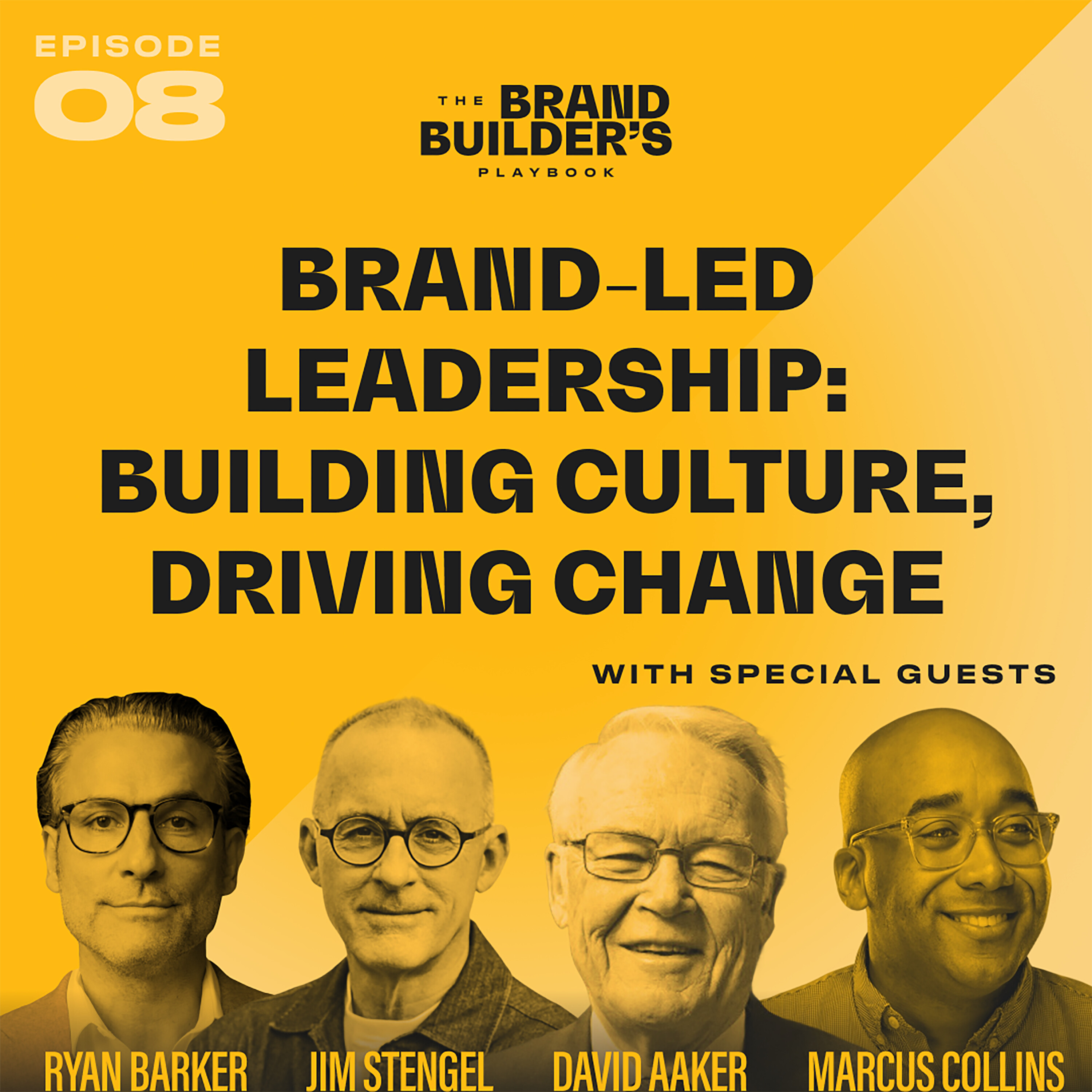
Marketing professor Marcus Collins argues that the true test of brand leadership isn't crafting a purpose statement, but adhering to it when faced with challenges or pressure on shareholder value. Many leaders evangelize their brand's point of view only when convenient, which ultimately undermines authenticity.
Values are not just words on a wall; they are an active management system. They should be a filter in the hiring process, a reason for public celebration when embodied, and a non-negotiable standard for performance. A company's true values are defined by the behavior it is willing to tolerate.

When a founder advises a successor to 'make decisions that energize you,' it's a strategic directive, not a wellness tip. It serves as a guardrail against the 'death by a thousand cuts' that comes from compromising core beliefs just to make others comfortable, thereby preserving the vision.

Duolingo lives by the mantra, "it's better to have a hole than an a-hole." The company spent 1.5 years searching for a CFO and rejected a candidate who was perfect on paper after discovering he was rude to a driver and a junior employee. This demonstrates a deep, costly commitment to protecting company culture.

If a decision has universal agreement, a leader isn't adding value because the group would have reached that conclusion anyway. True leadership is demonstrated when you make a difficult, unpopular choice that others would not, guiding the organization through necessary but painful steps.

True corporate values are steadfast principles that guide a company regardless of the political or social climate. Values that are easily discarded when they become controversial are not core values but rather branding exercises. This inauthenticity risks significant consumer backlash when exposed.
A business decision aims to gamify and optimize a specific outcome. A principle decision is based on core values, made without knowing the outcome, to be remembered favorably regardless of the result. Sticking to principles may mean losing a short-term battle but ultimately wins the war by building trust.
There are few universally ideal values beyond basic table stakes like integrity. The effectiveness of a value is highly context-dependent. For example, a value of slow, careful consensus-building is critical in a nuclear facility but would cripple a fast-moving ad agency that requires decisiveness.