Get your free personalized podcast brief
We scan new podcasts and send you the top 5 insights daily.
To ensure managers deeply understand the current tooling, codebase, and team dynamics in a rapidly changing AI environment, they are required to onboard as ICs. This player-coach model builds rapport and grounds their leadership in direct, hands-on experience before they begin managing people.

Related Insights
Z.AI's culture mandates that technical leaders, including the founder, remain hands-on practitioners. The AI field evolves too quickly for a delegated, hands-off management style to be effective. Leaders must personally run experiments and engage with research to make sound, timely decisions.
Companies mistakenly bundle management with authority, forcing top performers onto a management track to gain influence. Separate them. Define management's role as coordination and context-sharing, allowing senior individual contributors to drive decisions without managing people.

Traditional top-down mentorship is obsolete. An effective organization facilitates knowledge flow in all directions, like a traffic roundabout. For example, a junior employee can coach a senior leader on AI tools, while the leader coaches them on customer empathy and navigating corporate politics.

Anthropic mandates that all people managers, regardless of their background, must actively build and ship product. This isn't just a "player-coach" model; it's a requirement to ensure leadership intimately understands the modern AI-native development process, enabling them to better invest in tooling and training.

To prevent management from becoming a detached layer, Arista ensures its leaders are "coach players." This means even senior executives, like the CTO and founder, still contribute by coding. This "leading by example" approach proves to employees that management is connected to the core work, reinforcing a strong, authentic engineering culture.

To harness new ideas without causing chaos, mandate that new employees first learn and execute tasks the established way. This forces them to understand hidden dependencies and workflows they can't see initially. Only after mastering the current system can they suggest meaningful, context-aware improvements.

High-performing ICs shouldn't view management as a one-way promotion. Instead, it's a temporary "tour of duty" taken on to solve a specific problem that has scaled beyond one person. The goal is to build a team, set a direction, and then transition back to an IC role to find the next challenge.

It's nearly impossible to hire senior product or engineering leaders who are also fluent in AI. The advice for experienced managers is to step back into an Individual Contributor (IC) role. This allows them to build hands-on AI skills, demonstrating the humility and beginner's mindset necessary to lead in this new era.
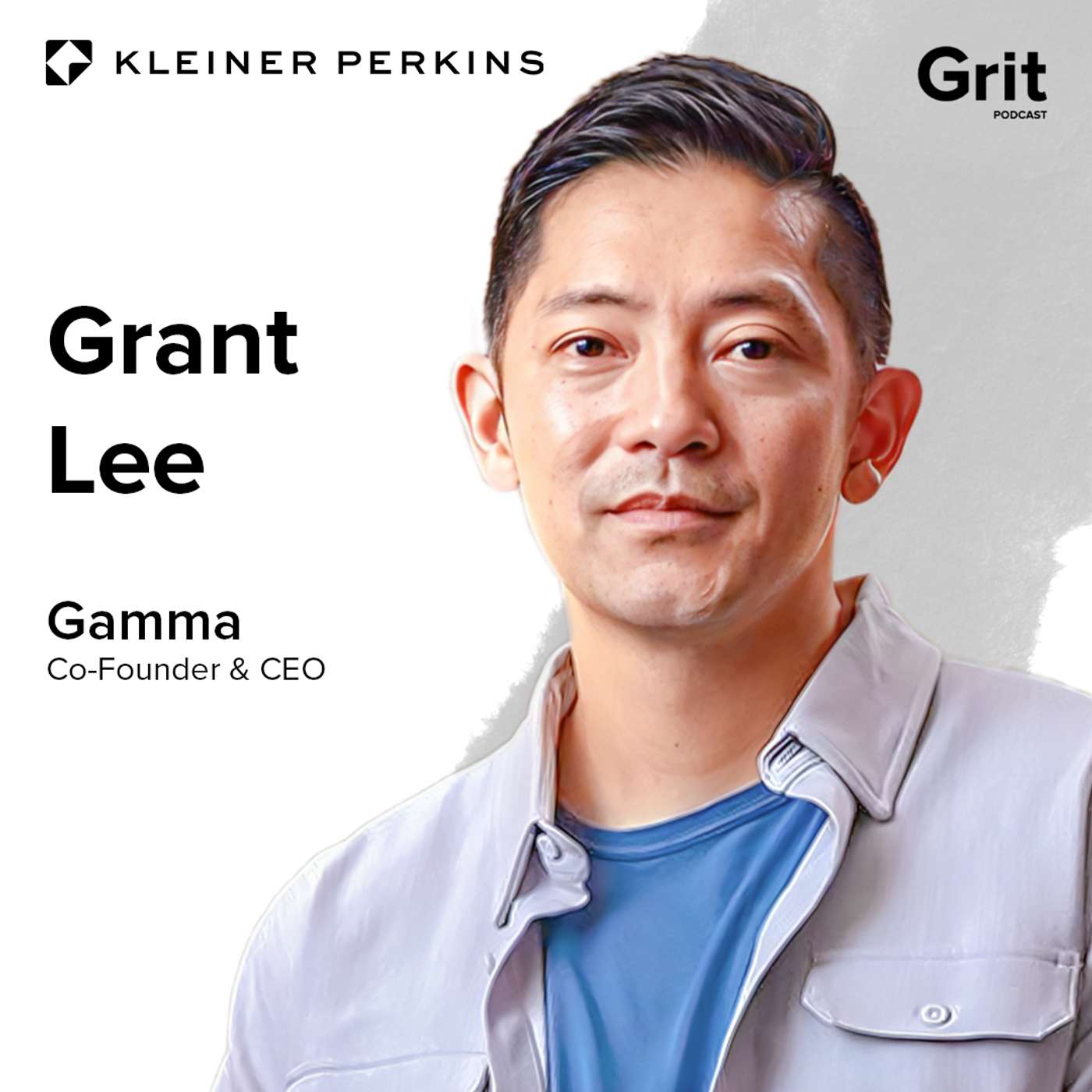
Instead of traditional managers, Gamma hires "player-coaches"—leaders who actively contribute to the work, like shipping code, while also mentoring their team. This model maintains a flat structure, keeps leadership grounded, and works best in a lean organization.
As part of its efficiency drive, Coinbase is mandating a significant cultural shift: the elimination of "pure manager" roles. Every leader is now expected to also be an individual contributor. CEO Brian Armstrong is modeling this behavior by returning to the codebase himself, pushing for a flatter, more hands-on organization empowered by AI.
