Get your free personalized podcast brief
We scan new podcasts and send you the top 5 insights daily.
Despite the drug having a 90-minute half-life, patients maintained and even saw continued improvement eight months after stopping the 12-week treatment. This suggests the drug facilitates genuine neural repair and rewiring, rather than offering only temporary symptomatic relief that requires continuous dosing.
Related Insights
A new wave of therapies for Stargardt disease is moving beyond simply slowing progression. Approaches like optogenetics aim to restore vision even in advanced patients by creating new light-sensing capabilities in retinal cells, bypassing the photoreceptors already lost to the disease.

Ipsen is developing a next-generation neurotoxin (IPN10200) engineered to have a longer duration of action than current options. As a recombinant neuromodulator, it integrates better into nerve cells, preventing it from distributing into surrounding tissue. This design simultaneously improves longevity and enhances the safety profile compared to traditional compounds.
French startup Elk Edonia is developing a first-in-class depression therapy targeting the intracellular transcription factor Elk One. Unlike traditional antidepressants acting on extracellular synapses, this small molecule modulates gene expression related to neuroplasticity and inflammation, aiming to make depression an acute, treatable condition rather than a chronic one.

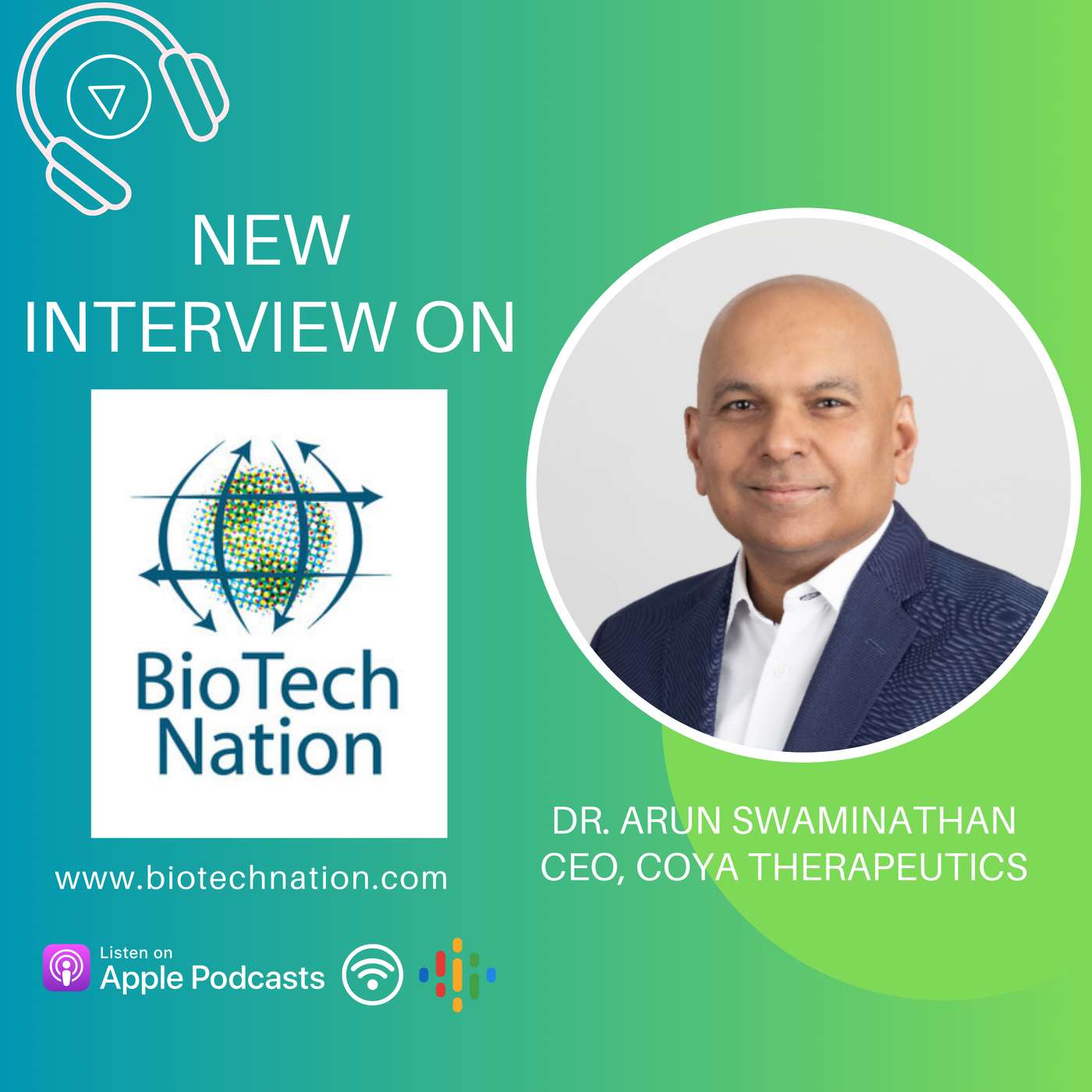
Coya Therapeutics is pursuing a novel therapeutic goal for ALS: making the condition "livable" by stopping its progression. Instead of aiming for a cure or reversing existing damage, their strategy focuses on preserving a patient's current motor function, which would represent a significant breakthrough in managing the neurodegenerative disease.
In epilepsy treatment, patients often use the ketogenic diet for only 2-5 years. The fact that seizures frequently do not return after stopping the diet suggests it can induce lasting metabolic repairs and heal brain dysfunction, rather than just managing symptoms temporarily.

Contrary to the belief that recovery is limited to the months post-injury, NervGen's trial specifically enrolled and showed significant functional improvement in patients with chronic injuries, some a decade old. This opens a new treatment window for a large, previously overlooked patient population.
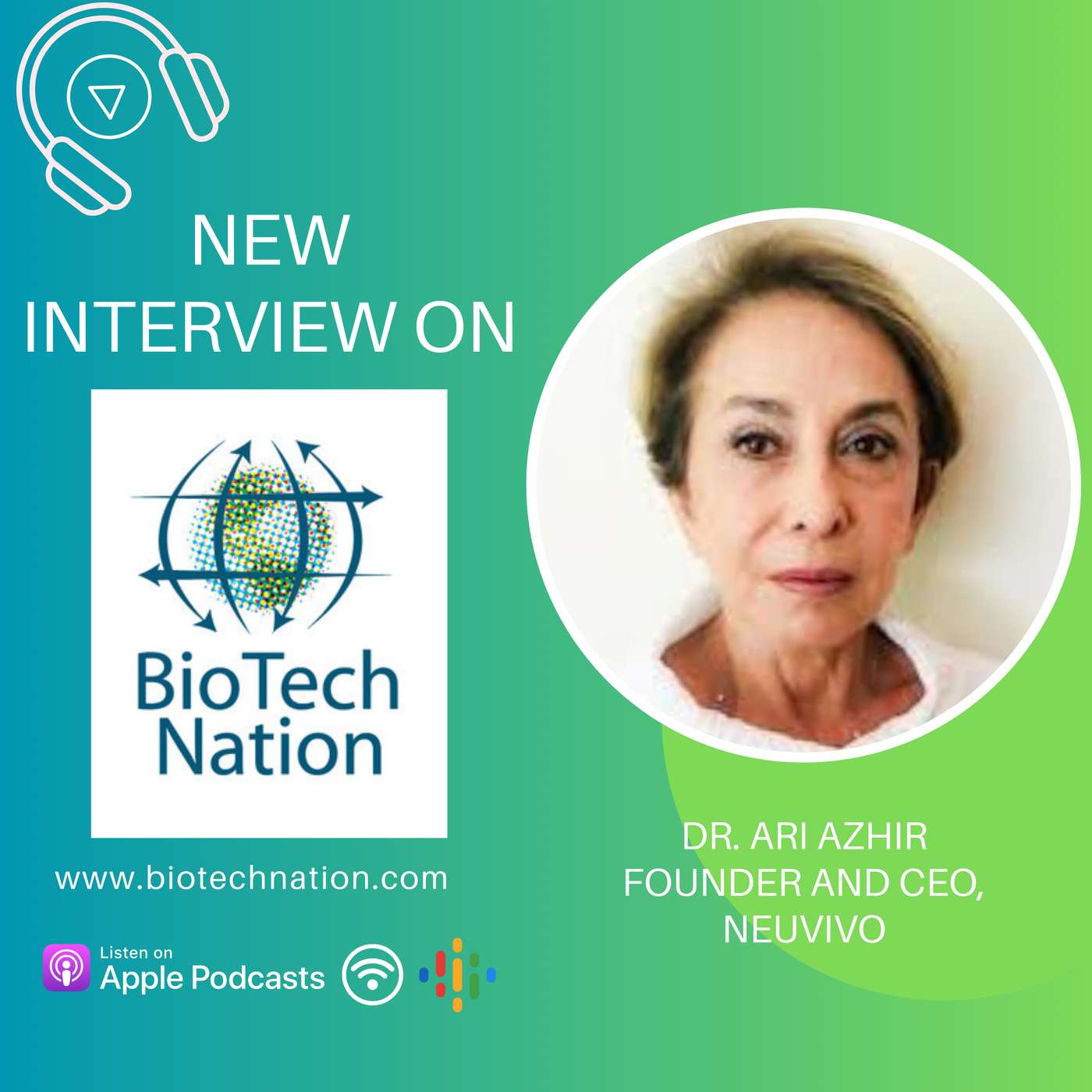
Diverging from typical approaches that focus on damaged neurons, Neuvivo's drug addresses ALS as an immune system disorder. By supplying a molecule the immune system is missing, it helps regulate the system, allowing the body to recover from the attacks that cause neurodegeneration.
For RNAi and antisense therapies targeting chronic conditions like cardiovascular disease, the critical competitive advantage is durability, not just efficacy. The ability to offer infrequent dosing, such as twice-yearly injections, represents a significant step-change from daily medications and is the key factor expected to drive market adoption.

Due to soquelitinib's prolonged effect, which 'resets' the immune system long after the drug is cleared, the CEO envisions it as an intermittent therapy. This would move away from the standard daily-for-life treatment model for autoimmune diseases like atopic dermatitis, representing a potential 'holy grail' for treatment.
The progression-free survival (PFS) curves for Belzutifan regimens consistently overlap with controls for 6-8 months before separating. This signature “Belzutifan effect,” seen across multiple trials, suggests the drug provides durable, long-term disease control for a subset of patients rather than immediate, broad efficacy, hinting at a distinct biological mechanism.
