Get your free personalized podcast brief
We scan new podcasts and send you the top 5 insights daily.
To cultivate an elite image, Gucci intentionally created friction for customers with strategies like a no-return policy, midday store closures, and rude salespeople. This counterintuitive "hostile hospitality" paradoxically increased the brand's desirability and perceived value.

Related Insights
Gucci's famous equestrian theme and Double G logo are based on a fabricated history of being saddle makers to royalty. This myth was created by the founder's son to associate the brand with an elite clientele, demonstrating how brand storytelling can be more powerful than historical accuracy.
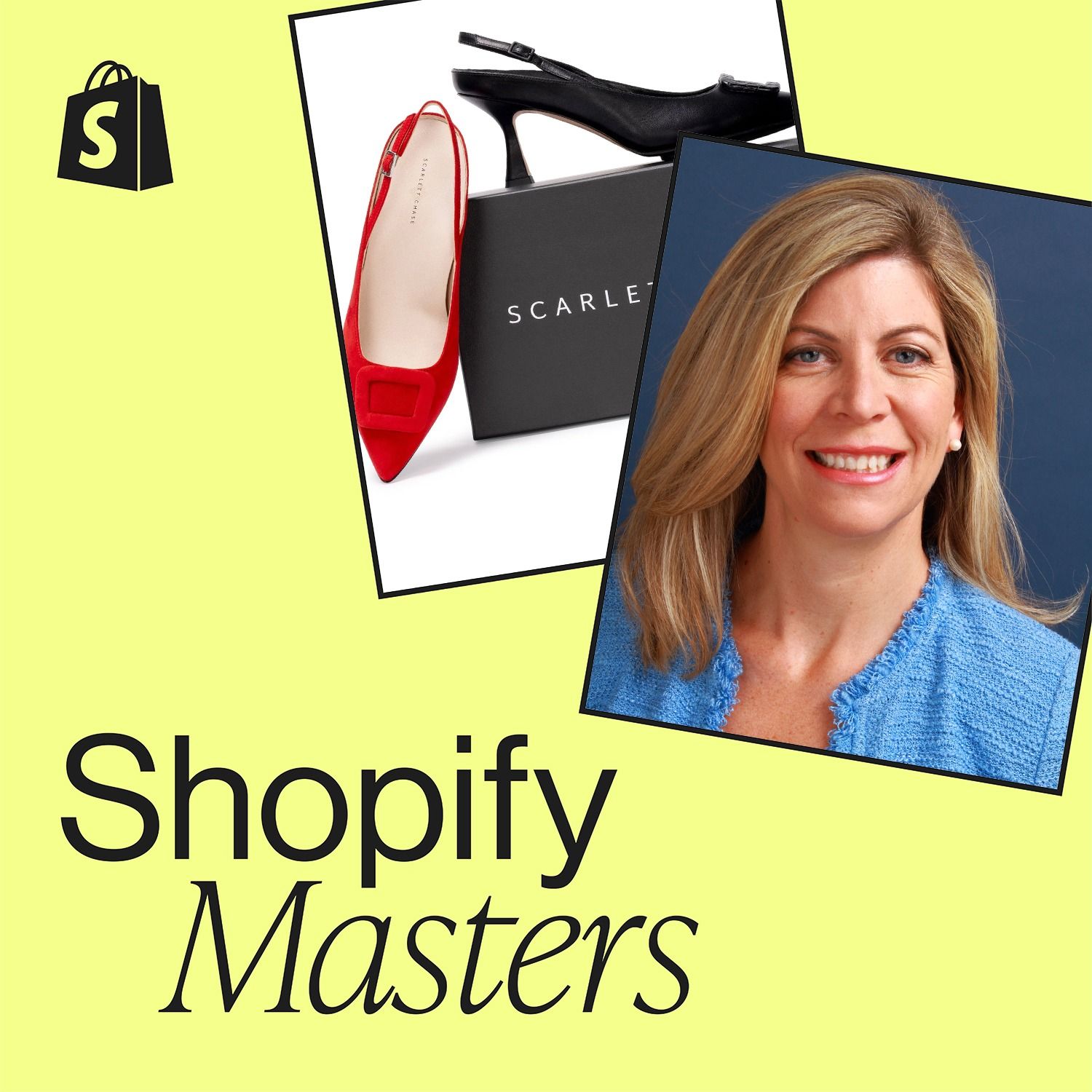
Instead of lowering prices to capture a wider audience, Scarlet Chase embraces a high-end niche. The founder's philosophy is that diluting the product's quality for broader appeal is a mistake. The strategy is to deliver exceptional value to a focused group of customers who can afford and appreciate the investment.
High-end luxury brands that cultivate scarcity with long waitlists are resilient during economic downturns. Customers on the waitlist feel compelled to purchase when their turn comes, regardless of the economic climate, to maintain their standing with the brand.

For luxury brands, raising prices is a strategic tool to enhance brand perception. Unlike mass-market goods where high prices deter buyers, in luxury, price hikes increase desirability and signal exclusivity. This reinforces the brand's elite status and makes it more coveted.
Norwegian Wool avoids inflating prices just to offer discounts later. By maintaining price integrity, they build trust with customers who know they're paying the "real price." This prevents buyer's remorse and reinforces the brand's premium, high-value positioning.

Luxury travel brands can avoid commoditization by emulating Hermès. This involves maintaining scarcity (like waiting lists for bags), implementing moderate and sensible price increases, and preserving an exclusive, high-touch customer experience. This strategy builds long-term brand value over short-term volume growth.

Gucci's sales plummeted after it became too mainstream, violating the luxury rule that "aspiration and accessibility don't mix." The brand's decline after showing up in airport stores and on discount sites is a cautionary tale. A core turnaround strategy is to reclaim exclusivity, such as through a high-end tech partnership with Google for smart glasses.
For a century, Rolls Royce refused to state its cars' horsepower, simply calling it 'sufficient.' This masterful branding strategy elevated the company above competitors arguing over specs. It demonstrated that true luxury is about assumed excellence and mystique, not quantifiable data, reinforcing the idea that 'where there is mystery, there is margin.'
For the first time, Coach led its Black Friday and holiday season with brand messaging, not promotions. This reflects a conviction that building genuine brand desire reduces the need to compromise on price, even during peak sales periods, thus protecting brand value.

To combat a 'cheap' reputation, online retailer Quince strategically sells limited-run, high-end items like caviar and gold bars unrelated to its core fashion line. These 'halo products' create 'luxury by association,' elevating the entire brand's perception in the minds of consumers, a tactic also used by Costco.
