Get your free personalized podcast brief
We scan new podcasts and send you the top 5 insights daily.
The era of unconditional data center development is over. To overcome local opposition, hyperscalers must operate under a "conditional build-out" model. This involves offering specific concessions like on-site power generation, improved energy utilization, or infrastructure cost-sharing to appease community concerns.

Related Insights
To overcome local opposition, tech giants should use their massive balance sheets to provide tangible economic benefits to host communities. Subsidizing local electricity bills or funding renewable energy projects can turn residents into supporters, clearing the path for essential AI infrastructure development.
AI data centers face significant local, bipartisan opposition due to their immense energy consumption, which can raise consumer electricity bills. Anthropic is proactively addressing this by committing to cover price increases and grid upgrade costs. This is a strategic move to secure community buy-in and prevent 'NIMBY' pushback, a critical hurdle for AI infrastructure scaling.
The debate over data centers is often a binary choice between acceptance and opposition. A more effective path for local communities is to leverage their position to negotiate significant benefits, such as direct funding for schools and infrastructure, turning the build-out into a major economic win.

SpaceX is offering discounted Starlink internet to Memphis residents to mitigate backlash against its Colossus data center's pollution and resource use. This tactic highlights an emerging, non-technical hurdle for the AI build-out: data center operators must now budget for and strategize around "buying off" local communities to secure their social license to operate.
To circumvent growing local opposition and permit denials related to water and power usage, data center developers are pivoting to off-grid strategies. By building self-sufficient facilities powered by natural gas turbines and fuel cells, they aim to eliminate community impacts and sidestep political and regulatory hurdles slowing traditional projects.
Community opposition to data centers is not an intractable issue but a result of hyperscalers being unwilling to spend adequately on community benefits. By funding significant local improvements—like silencing centers, doubling school budgets, or even providing free electricity—companies could easily turn detractors into advocates.

Despite growing local, bipartisan opposition to data center construction, the US government views AI leadership over China as a critical national security issue. This federal priority makes a nationwide ban unlikely. Instead, expect a "conditional buildout" where developers must offer community benefits like grid modernization to proceed.
To combat growing local resistance to data centers, AI companies like Anthropic and Microsoft are proactively offering to cover electricity price hikes and pay for grid upgrades. This strategic move aims to neutralize a key argument from bipartisan opposition groups, who fear that massive data centers will burden local communities with higher energy costs.

With 20% of new US data centers at risk of community backlash, a novel solution is to build profit-sharing into the pricing model. By adding a small premium (e.g., $0.50/hr) to compute costs and giving it directly to the local community, operators can turn residents into partners, ensuring project viability.
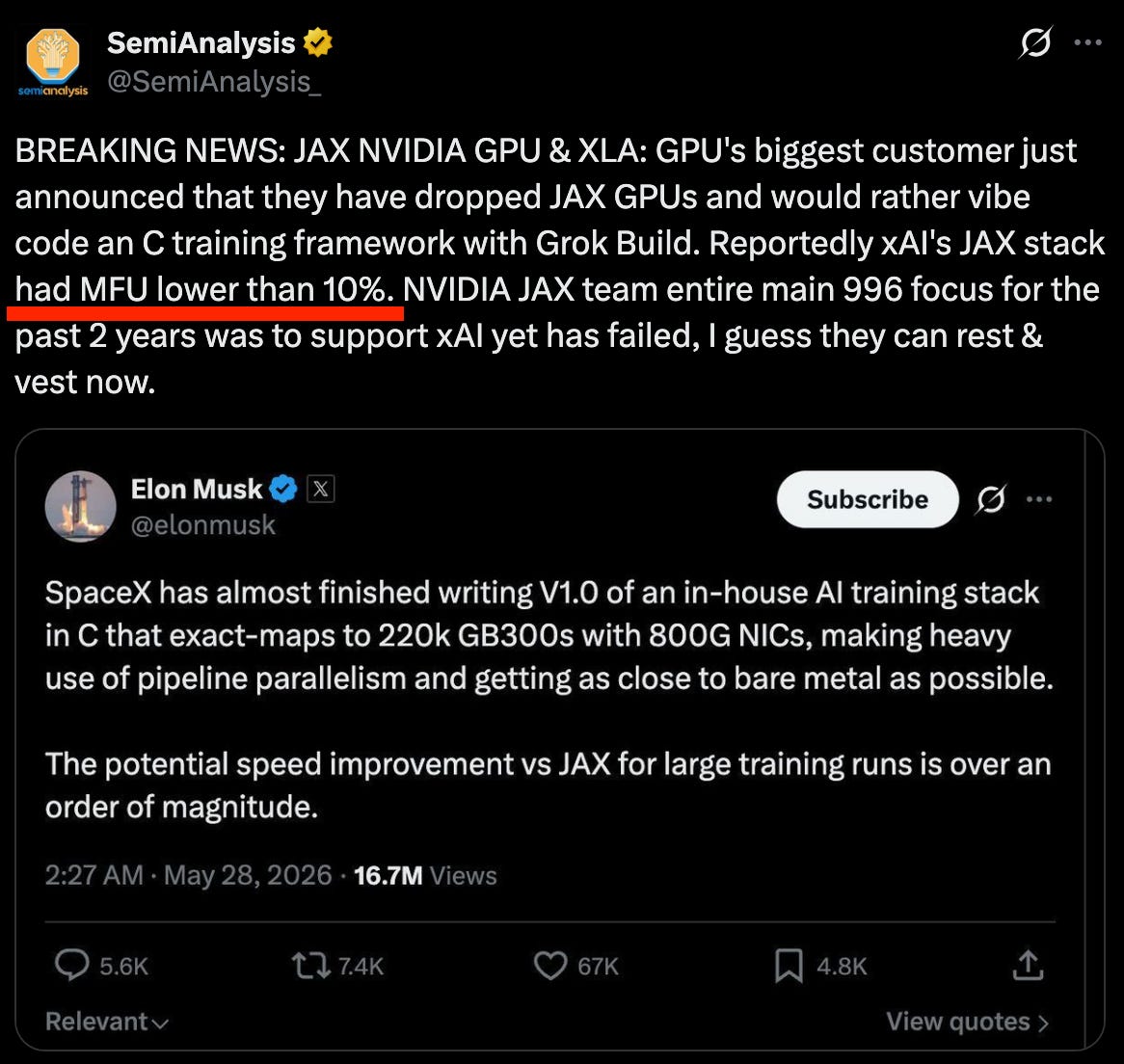
To counter local fears of rising electricity costs, a proposed policy pledge would make hyperscalers responsible for their own power infrastructure. This neutralizes a key argument from opponents by ensuring residential electricity rates are not impacted by data center power consumption.
