Get your free personalized podcast brief
We scan new podcasts and send you the top 5 insights daily.
Laurel enables non-technical employees, including Product and Customer Success Managers, to build and ship full-stack features using agentic AI tools like Devin. This blurs traditional role boundaries and dramatically accelerates development cycles.

Related Insights
Modern AI coding agents allow non-technical and technical users alike to rapidly translate business problems into functional software. This shift means the primary question is no longer 'What tool can I use?' but 'Can I build a custom solution for this right now?' This dramatically shortens the cycle from idea to execution for everyone.

Tools like Claude Code are democratizing software development. Product managers without a coding background can use these AI assistants to work in the terminal, manage databases, and deploy apps. This accelerates prototyping and deepens technical understanding, improving collaboration with engineers.

AI is democratizing software development by enabling non-technical subject-matter experts to build their own tools. By simply describing their ideas, they can generate fully deployed applications, shifting value from technical implementation to market and community insight.

AI tools lower the technical barrier for creating high-fidelity prototypes. This empowers designers, PMs, and engineers to contribute across traditional role boundaries, breaking down silos and fostering a more collaborative, cross-functional team dynamic.
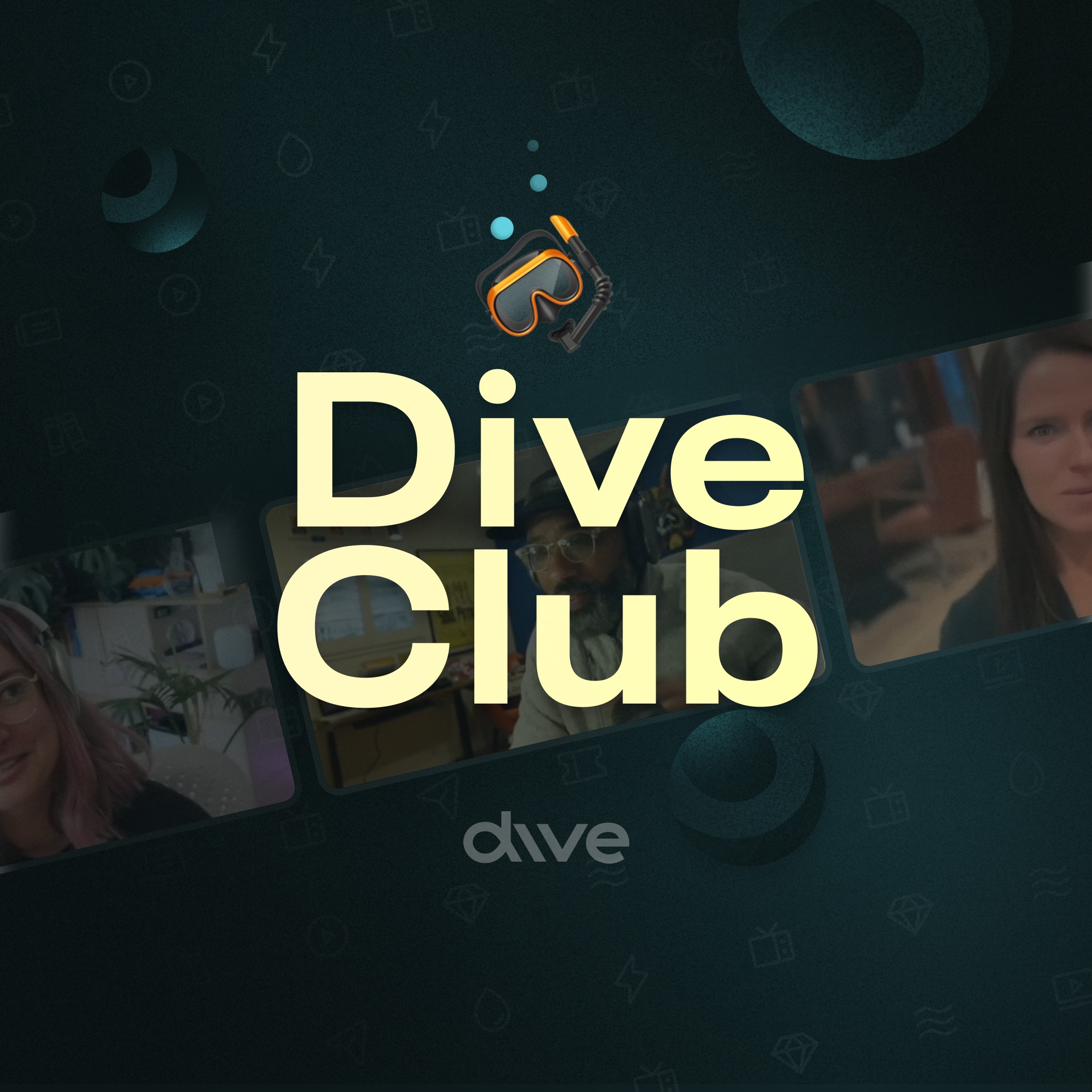
Ramp's internal tool, "Inspect," allows non-technical roles like PMs and designers to generate and merge production-ready code. This dramatically accelerates development for quality-of-life improvements and minor features, activating the entire company as builders, not just the engineering team.

AI tools empower employees in traditionally non-technical roles to perform complex tasks. A support agent can now use AI to diagnose a technical issue, build a new landing page, and ship code, collapsing the need for a multi-person workflow.

With AI coding assistants, the barriers to shipping software are eroding. At Ramp, designers and customer support agents are now shipping code to production. This suggests a future where the traditional, siloed Engineering, Product, and Design (EPD) team structure becomes obsolete.
Lovable employs a full-time "vibe coder," a non-engineer who is an expert at using AI tools to build functional product prototypes, templates, and internal applications. This new role collapses the idea-to-feedback loop, allowing teams to prototype and ship at unprecedented speeds without relying on engineering resources for initial builds.

With AI making code generation cheap, product taste is the key differentiator. In top AI teams, PMs are increasingly technical, using tools like Claude Code to build and iterate, making their role nearly identical to an engineer's.
Advanced AI models are closing the gap between intent and execution for non-coders. Mike Krieger cites a recruiter at Anthropic who, for the first time, could build a tool from her imagination, then iterate on and deploy it to her entire organization without engineering support.
