Get your free personalized podcast brief
We scan new podcasts and send you the top 5 insights daily.
Devices that constantly record audio for AI analysis, while useful for personal organization, introduce a significant social burden. The user must constantly inform others they are being recorded, creating a dystopian social dynamic that ultimately hinders adoption.

Related Insights
The reluctance to adopt always-on recording devices and in-home robots will fade as their life-saving applications become undeniable. The ability for a robot to monitor a baby's breathing and perform emergency procedures will ultimately outweigh privacy concerns, driving widespread adoption.

Smart glasses failed due to cultural resistance against face-worn cameras. By integrating visual AI into earbuds, a device over a billion people already wear, the technology can be deployed without the same social friction.

Using a proprietary AI is like having a biographer document your every thought and memory. The critical danger is that this biography is controlled by the AI company; you can't read it, verify its accuracy, or control how it's used to influence you.

The proliferation of inconspicuous recording devices like Meta Ray-Bans, supercharged by AI transcription, will lead to major public scandals and discomfort. This backlash, reminiscent of the "Glassholes" phenomenon with Google Glass, will create significant social and regulatory hurdles for the future of AI hardware.

The AI meeting-note taker's version of "Spotify Wrapped" provided such a scarily accurate and personal analysis of users' meeting behavior that many felt it was too intimate to share publicly, highlighting the deep sensitivity of conversational data analysis.

People react negatively, often with anger, when they are surprised by an AI interaction. Informing them beforehand that they will be speaking to an AI fundamentally changes their perception and acceptance, making disclosure a key ethical standard.

Apple's plan for AirPod cameras that can't record photos is a strategic move to address privacy concerns upfront. By designing a feature that offers AI context without creating surveillance risks, Apple can differentiate from competitors like Meta and build the trust necessary for mass adoption of AI wearables.

After the failure of ambitious devices like the Humane AI Pin, a new generation of AI wearables is finding a foothold by focusing on a single, practical use case: AI-powered audio recording and transcription. This refined focus on a proven need increases their chances of survival and adoption.

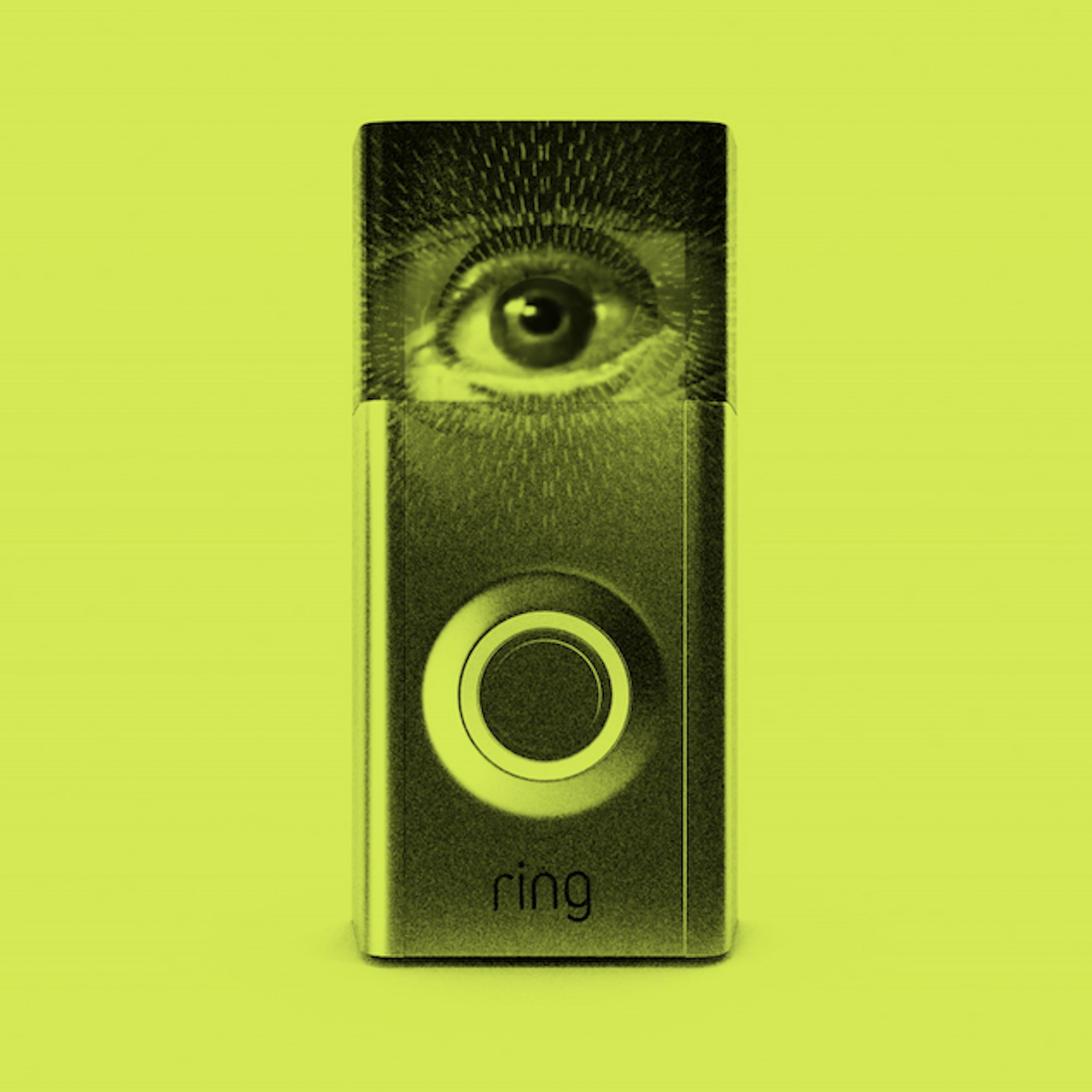
Ring founder Jamie Simenoff described his AI's goal as replicating a neighborhood with all-knowing private security. Instead of conveying safety, host Nilay Patel immediately challenged this vision as a "dystopian" nightmare, revealing a stark disconnect between a founder's intent and public perception of surveillance technologies.
Razer's bet for bringing AI into the real world is on headphones. They argue it's a universal, unobtrusive form factor that leverages existing user behavior, avoiding the adoption friction and social awkwardness associated with smart glasses or other novel devices.
