Get your free personalized podcast brief
We scan new podcasts and send you the top 5 insights daily.
Recognizing that traditional research attracts their existing core fans, the PGA Tour is exploring AI-synthesized panels. This technology allows them to model and query the preferences of younger, more diverse audiences they aim to attract, providing strategic growth insights without needing to recruit them directly first.

Related Insights
Human feedback is a 'mirror' reflecting what customers say. Synthetic AI panels are a 'lens' for analyzing existing data to uncover deeper insights without adding to customer survey fatigue. This reframes AI's role from a simple replacement for human access to a new mode of analysis.

Traditional marketing relies on static, often biased customer personas. AI-driven systems replace these assumptions with dynamic models built on real-time user behavior. This allows startups to observe what customers actually do, removing bias and grounding strategy in reality.
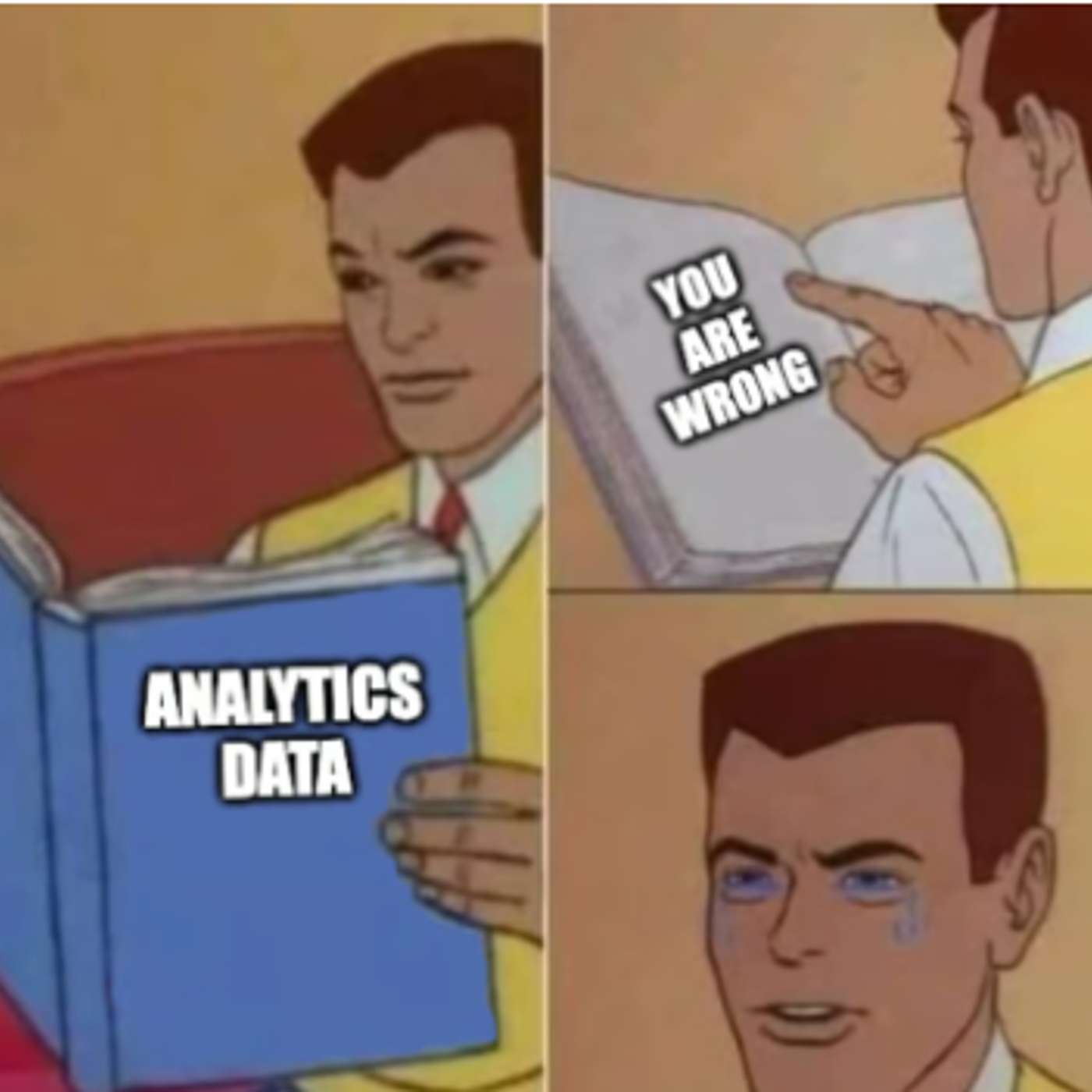
Startups should stop building customer personas on assumptions and surveys. Instead, use AI to analyze real-time behavioral data, creating dynamic profiles that update automatically. This shifts marketing from targeting who you think customers are to who they actually are based on their actions.

Most people use AI to perform tasks like writing copy. A more powerful application is using it as a strategic brainstorming partner. Ask it high-level questions about cultural trends and consumer behavior (e.g., 'Why did this artist pop?') to generate novel insights for your strategy.

A UK startup has found that LLMs can generate accurate, simulated focus group discussions. By creating diverse digital personas, the AI reproduces the nuanced and often surprising feedback that typically requires expensive and slow in-person research, especially in politics.

A study with Colgate-Palmolive found that large language models can accurately mimic real consumer behavior and purchase intent. This validates the use of "synthetic consumers" for market research, enabling companies to replace costly, slow human surveys with scalable AI personas for faster, richer product feedback.

Expensive user research often sits unused in documents. By ingesting this static data, you can create interactive AI chatbot personas. This allows product and marketing teams to "talk to" their customers in real-time to test ad copy, features, and messaging, making research continuously actionable.

The most reliable customer insights will soon come from interviewing AI models trained on vast customer datasets. This is because AI can synthesize collective knowledge, while individual customers are often poor at articulating their true needs or answering questions effectively.

The "Voice of the Gallery" program centralizes data collection with a single, standardized survey used at every tournament. This provides consistent benchmarks and allows for daily, actionable insights to be delivered to individual event teams, rather than waiting for a yearly post-event report.
The next frontier for marketing AI isn't just answering a user's questions. The goal is an autonomous system that works proactively, running hundreds of analyses overnight to find hidden opportunities, generating a self-updating 'best practices' playbook, and even suggesting new campaign hypotheses without being prompted.
