Get your free personalized podcast brief
We scan new podcasts and send you the top 5 insights daily.
Author Ann Patchett, a self-described introvert, found that owning a bookstore forced her out of her comfort zone. This external pressure transformed her into a national spokesperson and made her a happier, more productive person, challenging the idea that introverts should always avoid such roles.

Related Insights
Starr, despite building highly social businesses, is introverted. He finds satisfaction not from participating in the party but from creating the environment and observing others enjoy it, a role he likens to watching over his creation.

Dick's Sporting Goods CMO Emily Silver, a self-described introvert, thrives by understanding her personality, flexing to be extroverted when needed, and then intentionally retracting to recharge. Success comes from making your natural style work for you.

Instead of forcing uncomfortable in-person networking, founder Kristen Cowder leveraged her introversion by mastering high-volume, asynchronous communication (DMs, emails). This proves that entrepreneurs can build powerful relationships and achieve massive scale by leaning into their natural strengths rather than trying to fit an extroverted mold.
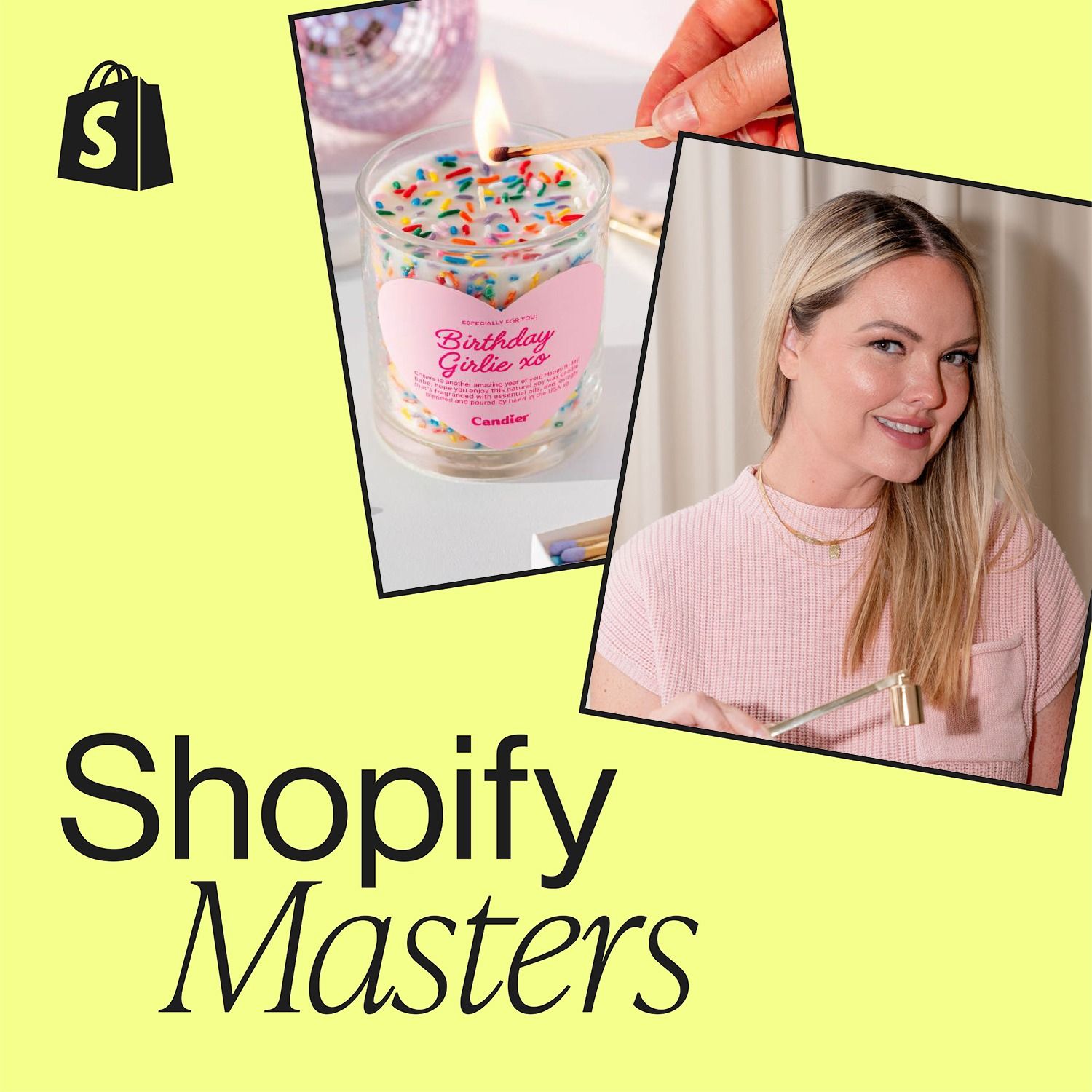
The belief that entrepreneurship requires an extroverted, 'always on' personality is a myth that leads to burnout. The next wave of successful founders will build businesses around their natural energy by leveraging systems, evergreen content, and asynchronous communication, proving quiet consistency is more powerful.

Contrary to the belief that introverts must conserve social energy, studies show that when they act more extroverted—initiating conversations and forcing interaction—they become measurably happier without depleting their willpower. This challenges typical assumptions about introversion and well-being.

Data shows that both introverts and extroverts report higher well-being and more positive feelings when they are actively socializing. This challenges the common belief that introverts recharge through solitude, suggesting that social connection is a universal mood-booster regardless of personality type.

Well-being is tied to social connection, which is a choice, not just a fixed personality trait. Research shows that when both introverts and extroverts are encouraged to act more extroverted—by reaching out more often—their happiness and well-being measurably increase, suggesting behavior can override disposition.

A surprising study found that both self-identified introverts and extroverts reported significant boosts in happiness during a week they were instructed to act more sociable and talkative. This challenges the popular notion that introverts are inherently drained by social behavior.

Early in his career, pro golfer Greg Norman was a self-described introvert who felt uncomfortable in the spotlight. He realized that to be a great golfer, he had to change his public persona. He made a "snap decision" to transform, demonstrating that personal traits can be consciously evolved to meet professional goals.

Instead of forcing small talk with senior leaders, introverts can build a strong reputation by focusing on mentoring junior employees. This "managing down" demonstrates leadership and value that senior management actively notices, creating influence without extroverted socializing.
