Get your free personalized podcast brief
We scan new podcasts and send you the top 5 insights daily.
Corporations are the oldest form of AI, operating as "superorganisms" with emergent intelligence. Like an ant colony that can collectively solve a puzzle no single ant can, a company's actions create a collective intelligence. This highlights why internal alignment is critical for coherent behavior.

Related Insights
Beyond just using AI tools, truly "AI-native" companies are built differently. They feature distinct organizational designs, new talent profiles, and leadership visions that fundamentally rethink problem-solving. This structural difference separates them from legacy companies merely adding AI features.

The behavior of ant colonies, which collectively find the shortest path around obstacles, demonstrates emergence. No single ant is intelligent, but the colony's intelligence emerges from ants following two simple rules: lay pheromones and follow strong pheromone trails. This mirrors how human intelligence arises from simple neuron interactions.

The most successful companies deploying AI use a "leadership lab and crowd" model. Leadership provides clear direction, while the entire organization is given access to tools to experiment and discover novel use cases. An internal team then harvests these grassroots ideas for strategic implementation.

Companies are a technology for organizing people toward a common mission. Unlike software, they're rarely perfected because the incentive is only to be better than the competition, not to reach an absolute ideal of operational excellence.

While AI can make individuals 10x more productive, this doesn't automatically create a 10x more valuable company. An 'institutional AI' layer is needed to coordinate efforts and align individual output toward shared business goals like scaling revenue.

An effective multi-agent system assigns distinct roles (e.g., researcher, brand voice, skeptic) and orients all work around a single, clear company objective, or "North Star," to ensure alignment and prevent idle cycles.

Traditional corporate structures are too rigid for today's environment. The octopus serves as a better model, with distributed intelligence in its tentacles allowing for autonomous yet coordinated action, sensory awareness of customers, and rapid adaptation.
Based on Conway's Law, a company's internal structure and communication paths are mirrored in the architecture of the software it produces. This means human values flow from the organization to the product. To build aligned AI, you must first solve for human alignment within the company.
Long-term competitive advantage will belong not to firms with the best algorithms, but to those that build the most intelligent organizations *around* AI. The key is developing the ability to absorb, direct, and compound AI's power in service of coherent strategic goals.
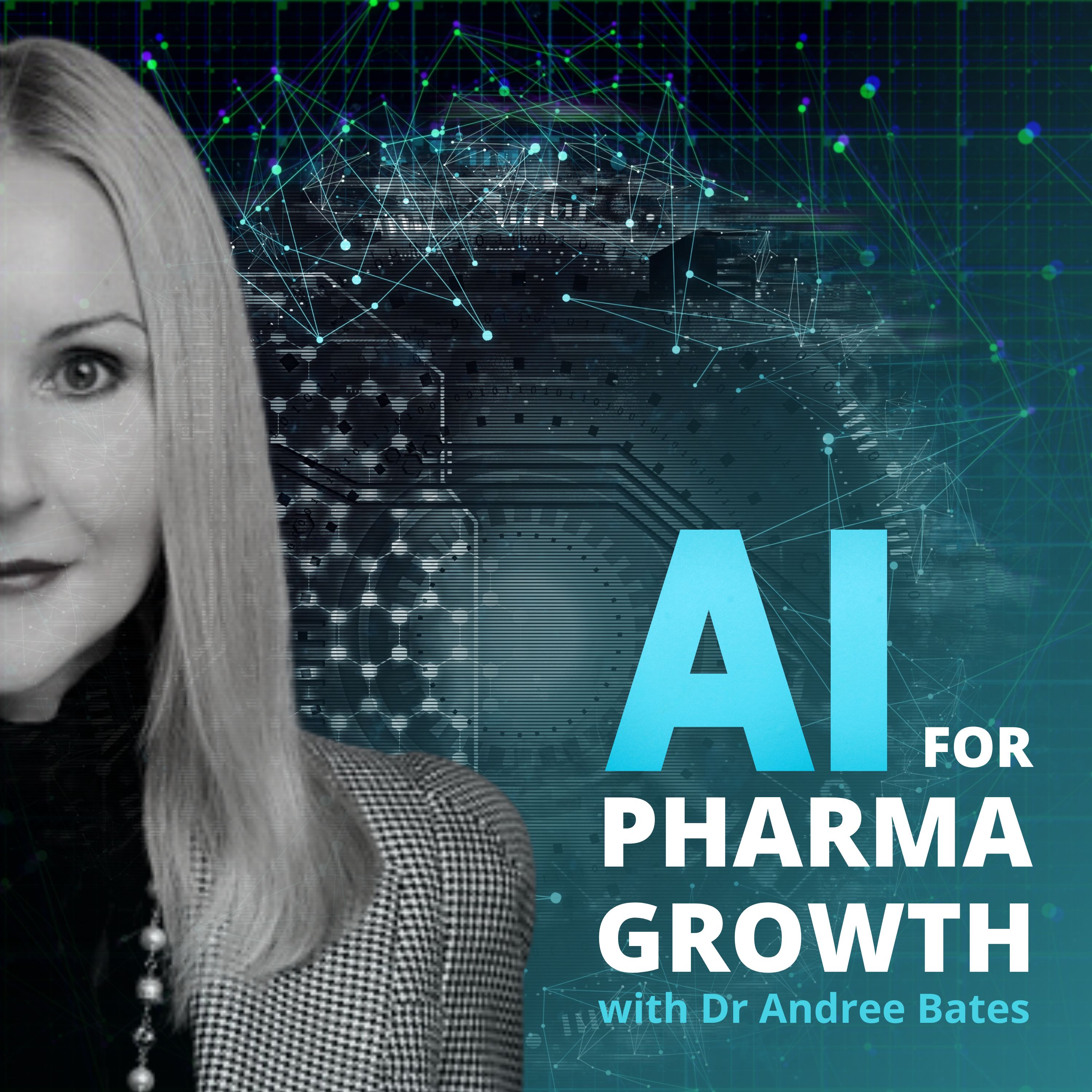
The trend of lean operations and automation won't stop at one-person companies. The logical next step in this evolution is the emergence of businesses almost entirely run by a single, autonomous AI agent, representing a fundamental shift in corporate structure.