Get your free personalized podcast brief
We scan new podcasts and send you the top 5 insights daily.
Unlike the industrialists of the past who built wealth from physical assets (atoms), today's super-rich are primarily 'symbol manipulators.' They create fortunes by arranging abstract symbols like code, financial instruments, and media narratives, reflecting a fundamental shift in the economy.
Related Insights
Society has shifted from admiring a range of figures—novelists, academics, humanists—to a singular worship of wealth. The tech boom obliterated this diverse pantheon of role models, creating a culture where billionaires are treated as infallible prophets on every subject, from philosophy to daily habits.

The primary driver of wealth inequality isn't income, but asset ownership. Government money printing to cover deficit spending inflates asset prices. This forces those who understand finance to buy assets, which then appreciate, widening the gap between them and those who don't own assets.
High-stakes bidding for legacy media assets like Warner Bros. is driven by status-seeking among the ultra-wealthy, not a sound bet on the future of media. They are acquiring prestigious "shiny objects" from the past, while the actual attention economy has shifted to platforms like TikTok and YouTube.
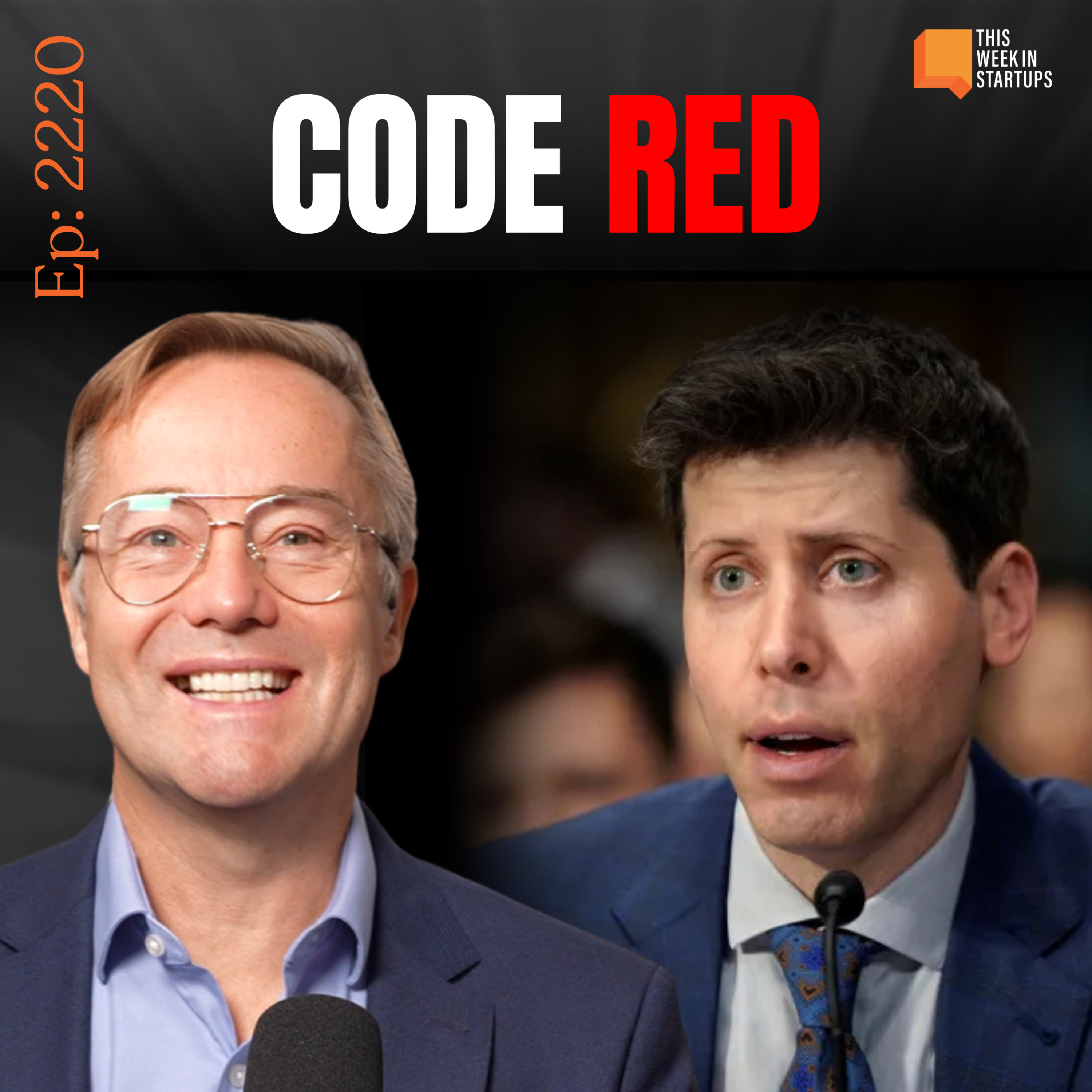
Altman’s prominent role as the face of OpenAI products despite his 0% ownership stake highlights a shift where control over narrative and access to capital is more valuable than direct ownership. This “modern mercantilism” values influence and power over traditional cap table percentages.

The idea that a billionaire can "spend" their net worth is flawed. Their wealth is primarily in company stock; liquidating it would crash the price and signal a lack of confidence. This misunderstanding of wealth versus income fuels unrealistic proposals for solving global problems.
When AI handles material needs, the traditional status game of wealth accumulation will lose its meaning. Humans will instead compete for status in non-productive domains like athletics, video games, or curating collections. These niche communities will become the new arenas for finding meaning and social hierarchy.

Companies like Tesla and Oracle achieve massive valuations not through profits, but by capturing the dominant market story, such as becoming an "AI company." Investors should analyze a company's ability to create and own the next compelling narrative.

The focus of billionaire philanthropy has shifted from building physical public works (like libraries) to funding NGOs and initiatives that aim to fundamentally restructure society, politics, and culture according to their ideological visions.

Philosopher Jean Baudrillard's theory of "simulacra"—where representations become independent of reality—perfectly models the meme stock phenomenon. The stock's price becomes a "third-order simulacrum," taking on a life of its own driven by narrative, detached from the company's actual performance.

Figures like Henry Kaiser and Elon Musk don't confine themselves to one industry (e.g., roads or rockets). They view their core skill as engineering itself—a portable competence applicable to any complex physical problem, enabling them to jump into and dominate new fields.