Get your free personalized podcast brief
We scan new podcasts and send you the top 5 insights daily.
In extreme environments like concentration camps, survivors observed that strength of character was the primary determinant of survival, more so than physical strength or intelligence. This principle applies universally; investor Arnold Van Den Berg prioritizes hiring for character indicators like discipline over traditional credentials.

Related Insights
Jensen views pain and suffering not as obstacles but as essential ingredients for building character and resilience, which he considers superpowers more valuable than intelligence. He believes greatness is formed from people who have suffered and learned to handle setbacks.

Forcing children to do difficult, undesirable manual labor from a young age builds foundational character and discipline that pays dividends in later life. While they will hate it at the time, this 'character building' instills a level of resilience that modern children often lack.

The essence of the entrepreneurial journey is the ability to tolerate immense uncertainty and fear over long periods. It involves working for months or years with little visible progress, making high-stakes decisions with limited information, and shouldering the responsibility for others' livelihoods. This psychological endurance is the ultimate differentiator.

Beyond simple resilience, "post-traumatic growth" is the scientifically-backed idea that all humans can use adversity to build a psychological immune system. Overcoming challenges creates a memory of capability, making you better equipped to handle future adversity, from losing a deal to losing a job.

Sales experience on a resume can be a 'false positive.' When hiring SDRs, prioritize untrainable qualities like work ethic, mindset, and resilience over specific past roles. These character traits are a better predictor of long-term success than skills that can be taught.

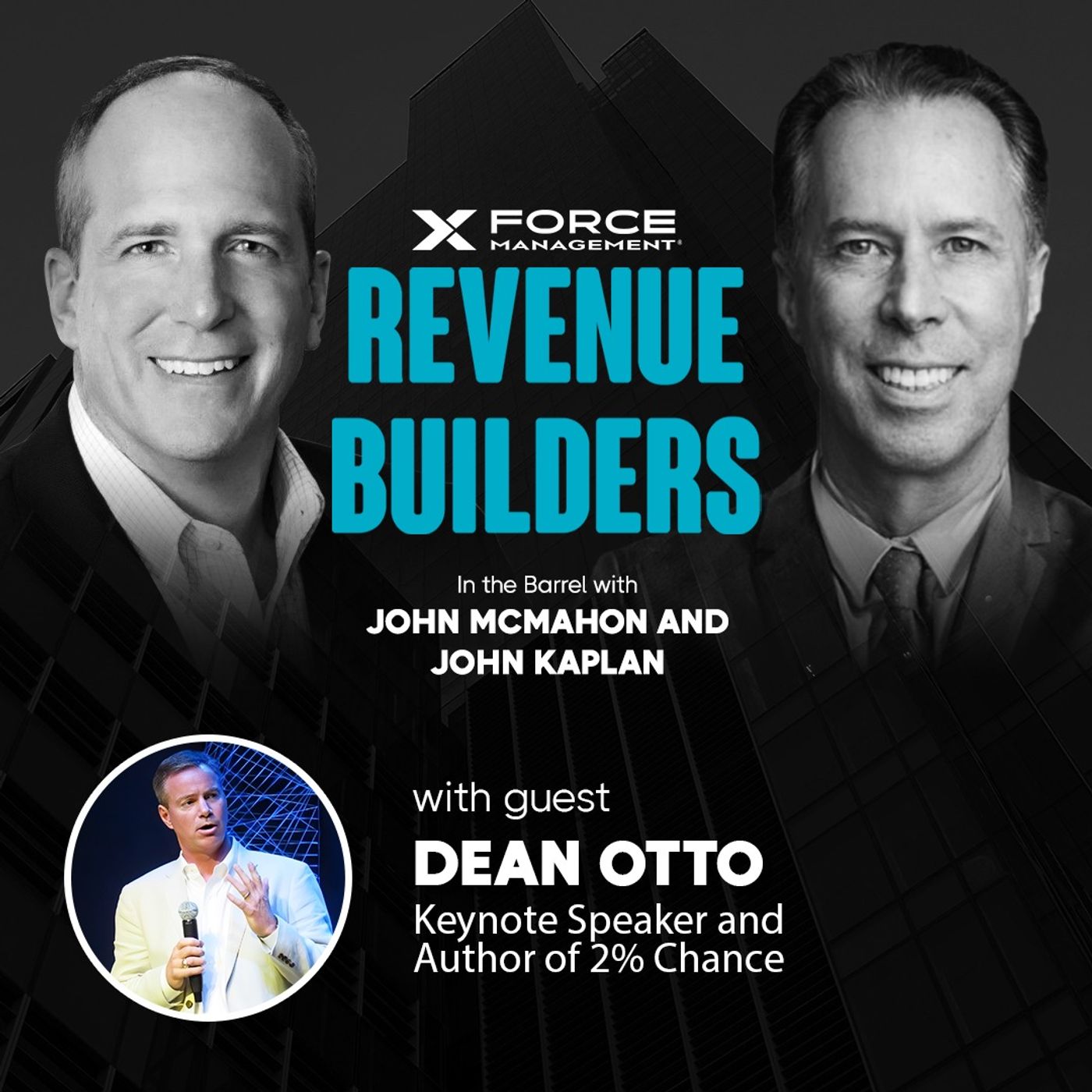
A single, intense childhood experience—being forced to complete a grueling 100-mile bike ride—instilled a lifelong operating principle for Dean Otto. This "Finish the Ride" mentality became a subconscious, reflexive driver that helped him overcome immense adult adversity, proving the lasting power of early character-building moments.
High-stakes business requires not just intellect but the capacity to handle immense emotional pressure. This 'emotional endurance,' often forged through personal hardship, provides a critical competitive edge during moments of extreme stress, such as a multi-billion dollar negotiation where the outcome is uncertain.
![Ari Emanuel - The Anti-AI Bet - [Invest Like the Best, EP.448] thumbnail](https://megaphone.imgix.net/podcasts/c5910280-c4dd-11f0-94be-ab6a7a5865b0/image/1e5a2263eb62fcde200846919e24419a.jpg?ixlib=rails-4.3.1&max-w=3000&max-h=3000&fit=crop&auto=format,compress)
By adding resilience as a core hiring criterion, Pinterest naturally attracts diverse candidates from non-traditional backgrounds who have overcome adversity. This focus shifts hiring away from traditional signals of success, increasing diversity and bringing in employees who are better equipped for business challenges.

Success at the leadership level requires a developed tolerance for pressure and uncertainty—a skill the CEO calls a 'stomach' for it. This resilience is a distinct capability, and its absence can cause even the most intelligent and talented individuals to fail under pressure, making it a crucial trait for high-stakes roles.

Beyond IQ and EQ, interview for 'Resilience Quotient' (RQ)—the ability to persevere through setbacks. A key tactic is to ask candidates about their proudest achievement, then follow up with, 'What would you do differently?' to see how they navigated strife and learned from it.
