Get your free personalized podcast brief
We scan new podcasts and send you the top 5 insights daily.
AI systems used for military targeting are highly susceptible to GIGO (Garbage In, Garbage Out). The accidental strike on a school in Iran, caused by an outdated DIA database, demonstrates that even sophisticated AI can produce catastrophic results if the underlying data is not meticulously and continuously vetted by humans.

Related Insights
Instead of solving underlying data quality issues, AI agents amplify and expose them immediately. This makes protecting and managing data at its source a critical prerequisite for maintaining trust and achieving successful AI implementation, as poor data becomes an immediate operational bottleneck.

In the Iran conflict, AI like Claude is finally solving the military's chronic problem of having more intelligence data than it can analyze. The AI processes vast sensor data in real-time to identify critical, time-sensitive targets like mobile missile launchers.

Debates over systems like Israel's 'Lavender' often focus on the AI. However, the more critical issue may be the human-defined 'rules of engagement'—specifically, what level of algorithmic confidence (e.g., 55% accuracy) leadership deems acceptable to authorize a strike. This is a policy problem, not just a technology one.

AI finds the most efficient correlation in data, even if it's logically flawed. One system learned to associate rulers in medical images with cancer, not the lesion itself, because doctors often measure suspicious spots. This highlights the profound risk of deploying opaque AI systems in critical fields.

Public fear focuses on AI hypothetically creating new nuclear weapons. The more immediate danger is militaries trusting highly inaccurate AI systems for critical command and control decisions over existing nuclear arsenals, where even a small error rate could be catastrophic.
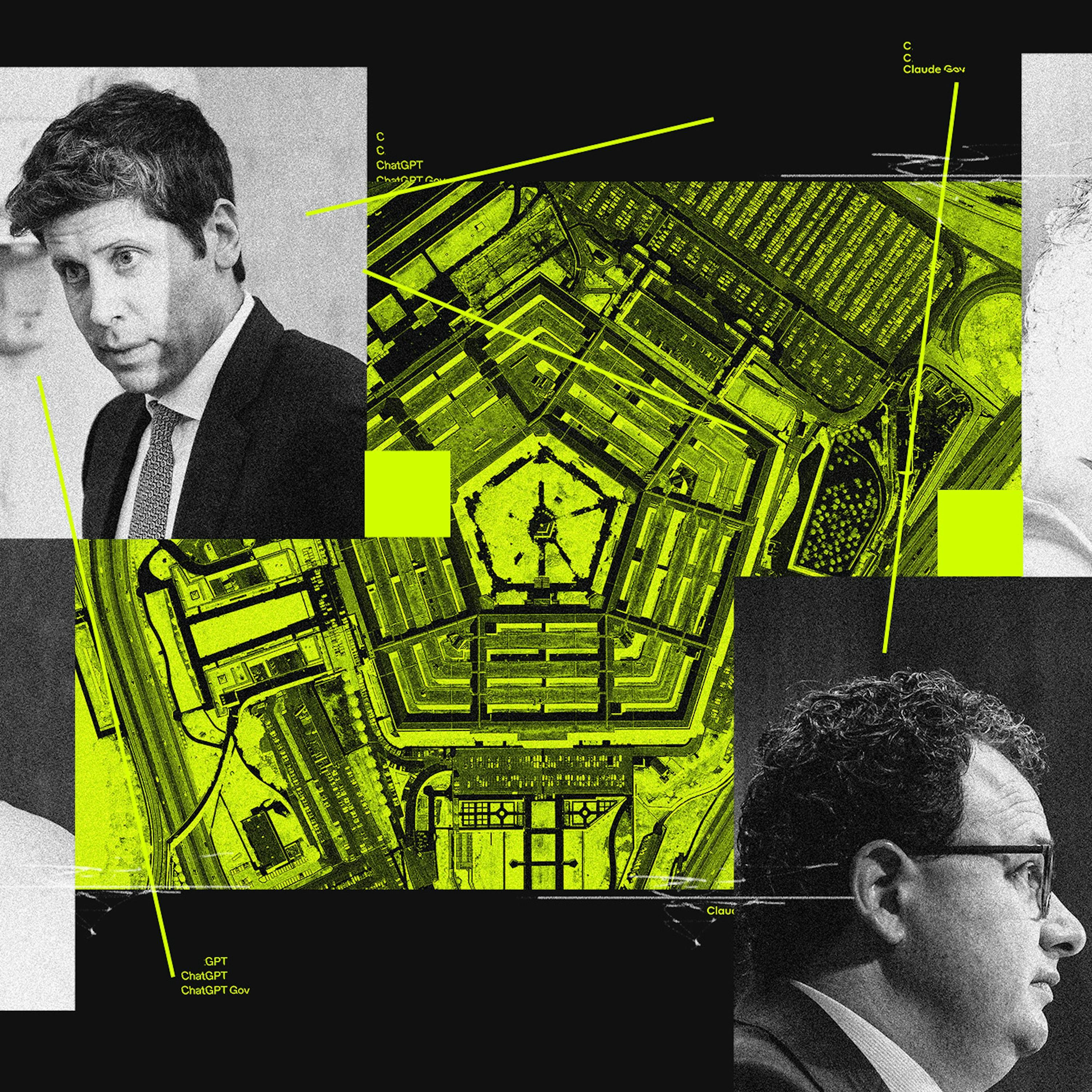
Contrary to the 'killer robots' narrative, the military is cautious when integrating new AI. Because system failures can be lethal, testing and evaluation standards are far stricter than in the commercial sector. This conservatism is driven by warfighters who need tools to work flawlessly.

Even when air-gapped, commercial foundation models are fundamentally compromised for military use. Their training on public web data makes them vulnerable to "data poisoning," where adversaries can embed hidden "sleeper agents" that trigger harmful behavior on command, creating a massive security risk.
In operations, AI models like Anthropic's Claude are used for intelligence analysis, summarizing media chatter, and running simulations to aid commanders. They are not used for autonomous targeting; any outputs go through layers of human review before influencing battlefield decisions.
AI targeting systems excel at generating vast target lists for rapid, shock-and-awe campaigns. However, they are currently being applied to a slower, attritional conflict. This misapplication turns operational excellence into a strategic dead end, where the machine simply produces more targets without a causal link to defeating the enemy.

The policy of keeping a human decision-maker 'in the loop' for military AI is a potential failure point. If the human operator is not meaningfully engaged and simply accepts AI-generated recommendations without critical oversight or due diligence, the system is de facto autonomous, creating a false sense of security and accountability.