Get your free personalized podcast brief
We scan new podcasts and send you the top 5 insights daily.
Clinical experience reveals significant geographic and ethnic variations in drug tolerability that are not always captured in global trials. For example, Asian patients often experience severe stomatitis with everolimus, while Hispanic patients in San Antonio with high rates of prediabetes face greater challenges with hyperglycemia from PI3K/AKT inhibitors, requiring different management strategies.

Related Insights
The hyperglycemia caused by PI3K inhibitors is a direct on-target effect. These drugs inhibit the PI3K pathway, which is the same pathway insulin uses to signal glucose to enter cells. This mechanistic understanding explains why giving insulin is ineffective for managing this side effect. Instead, oral agents like metformin or GLP-1s are required.
With half its patients from Asia and only 13% from North America, the Destiny Breast 11 trial's results may not be fully generalizable to US patients. Differences in metabolism, healthcare systems, and side effect reporting across regions can impact outcomes, a key consideration when interpreting global trial data.

Hyperglycemia, a common side effect of the PI3K inhibitor Inavolycib, is directly linked to better patient outcomes. Patients with more hyperglycemia showed a stronger response (hazard ratio 0.38 vs. 0.51). This reframes a negative side effect as a potential biomarker of efficacy, urging physicians to manage it rather than discontinue treatment.
A key toxicity of the dual PI3K/mTOR inhibitor getatolisib is grade 3 stomatitis, which occurs despite standard steroid mouthwash. Its rapid onset, with a median time of just four days, makes prevention difficult. Because it's an IV drug, patients cannot simply hold a dose at the first sign of symptoms, requiring clinicians to be highly vigilant in the first week of treatment.
The Victoria 1 trial reported "historically low" discontinuation rates for the PI3K inhibitor alpelisib. This indicates that oncologists have become significantly better at proactively managing the drug's known toxicities, such as hyperglycemia. This real-world clinical maturation has improved the drug's tolerability and practical utility since its initial approval studies.

Second-generation PI3K inhibitor enovalisib has a 7% discontinuation rate compared to 25% for its predecessor, alpelisib. This is due to a better toxicity profile (e.g., 6% vs. 33% high-grade hyperglycemia) and improved proactive side effect management by clinicians.

The FDA is requiring higher US patient enrollment in global trials to address concerns that results from predominantly non-US populations (e.g., Asia) may not be generalizable. This reflects worries about differences in prior standard-of-care treatments and potential pharmacogenomic variations affecting outcomes.

Unlike earlier PI3K inhibitors notorious for severe hyperglycemia and rash, new pan-mutant selective agents tersolasib and zovagelisib have remarkably improved safety profiles. Tersolasib's most common grade 3 event was manageable liver enzyme elevation (7%), not the class-defining toxicities. This superior tolerability could enable broader use and better patient compliance.
Standard BMI categories fail to capture the elevated diabetes risk in certain ethnic groups. Clinicians must recognize that patients of South Asian, Korean, or Chinese descent are at higher risk for hyperglycemia at a much lower BMI (e.g., a BMI of 23 should be considered overweight).
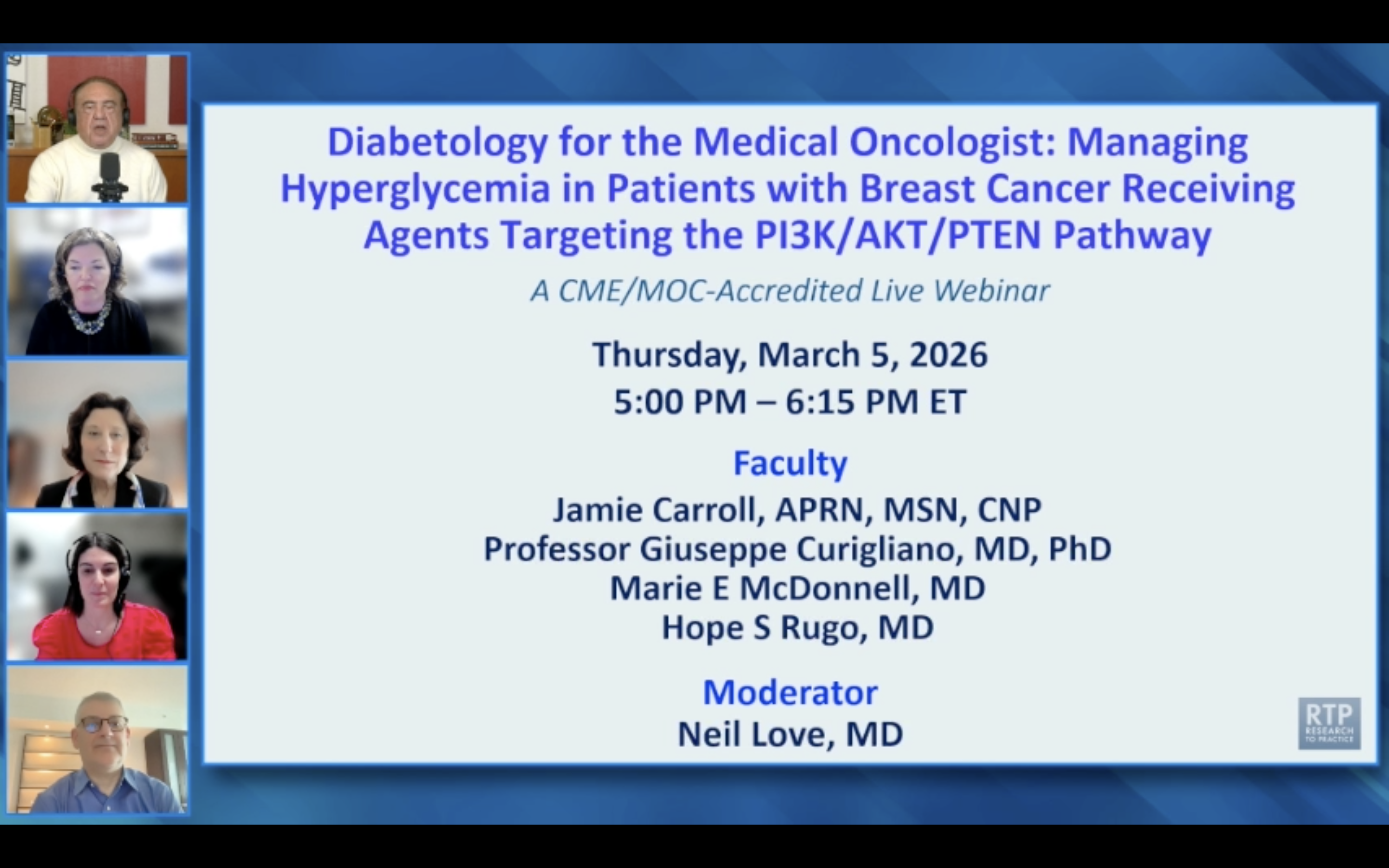
The hyperglycemia from PI3K/AKT inhibitors is due to insulin resistance, not lack of insulin. Treatment must focus on insulin sensitizers (metformin, SGLT2 inhibitors). Using agents that increase insulin secretion is counterproductive as it can reactivate the PI3K cancer pathway.