Get your free personalized podcast brief
We scan new podcasts and send you the top 5 insights daily.
Second-generation PI3K inhibitor enovalisib has a 7% discontinuation rate compared to 25% for its predecessor, alpelisib. This is due to a better toxicity profile (e.g., 6% vs. 33% high-grade hyperglycemia) and improved proactive side effect management by clinicians.

Related Insights
While Eli Lilly's Retrutide showed headline-grabbing weight loss, a concerning 18% of patients discontinued one study due to side effects. A subsequent trial showing a much lower discontinuation rate (5%) was seen as a major win, indicating patient tolerability is now as critical as raw efficacy for commercial success.

Advances in drug design mean newer PI3K inhibitors are more targeted, resulting in significantly less off-target toxicity. For example, some investigational agents have a hyperglycemia risk under 15%, a substantial improvement over earlier drugs, making them easier to manage clinically.
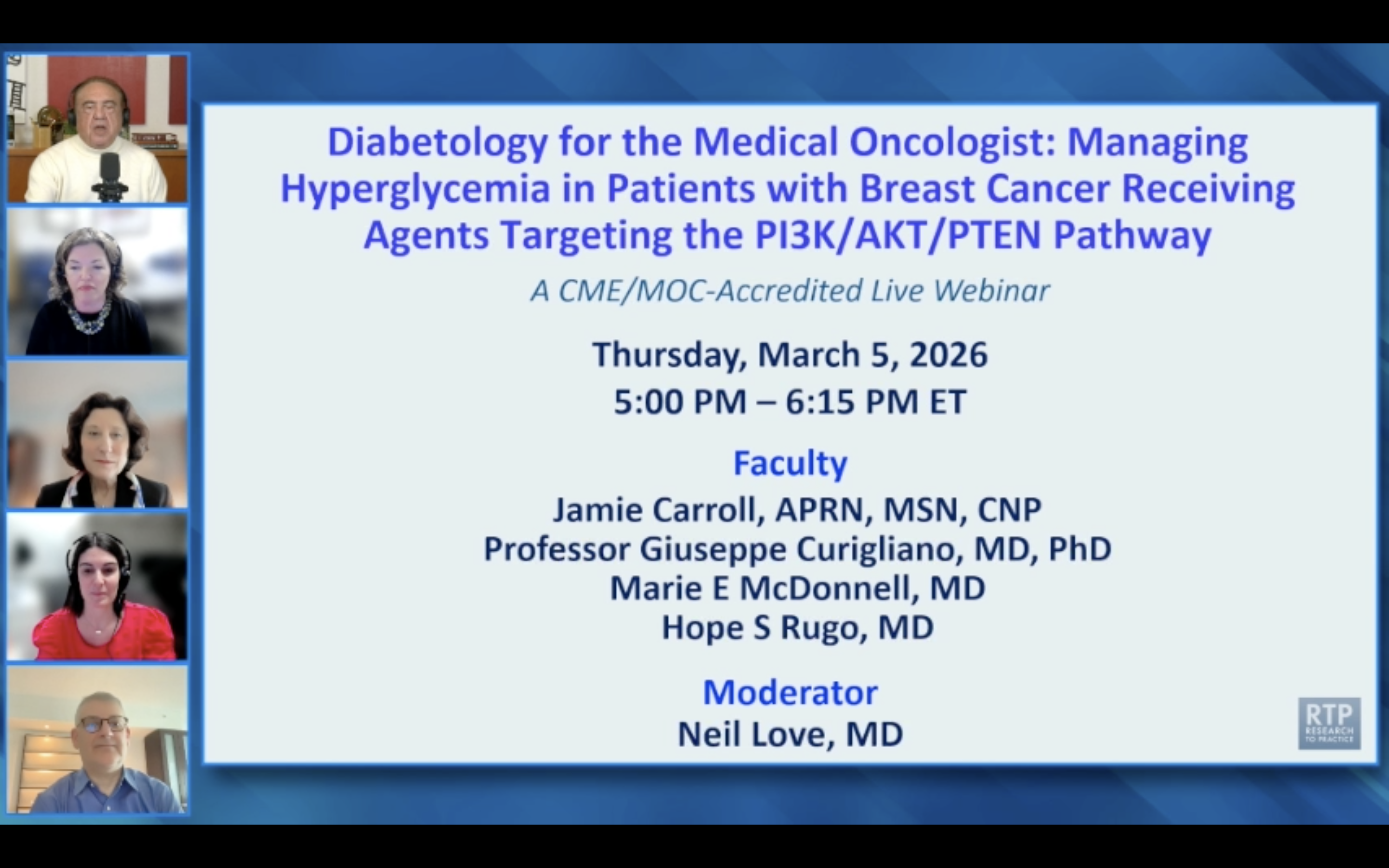
Despite alpelisib directly targeting the upstream PIK3CA mutation, clinicians have almost completely shifted to the downstream AKT inhibitor capivasertib in the second-line setting. This practical decision is driven by capivasertib's significantly better side effect profile and ease of management.
The Victoria 1 trial reported "historically low" discontinuation rates for the PI3K inhibitor alpelisib. This indicates that oncologists have become significantly better at proactively managing the drug's known toxicities, such as hyperglycemia. This real-world clinical maturation has improved the drug's tolerability and practical utility since its initial approval studies.

iOnctura is tackling the PI3K Delta target, a mechanism with known efficacy but a history of severe side effects. By developing an allosteric modulator, they've engineered a drug (Roganolisib) with a significantly improved safety profile, aiming to unlock the target's full potential without its historical "baggage."

The development of PARP-1 selective inhibitors like seriparib signals a shift in drug innovation. Instead of only chasing higher efficacy, these new agents aim for a more favorable toxicity profile (less GI toxicity, fewer dose discontinuations) to improve patient quality of life and treatment adherence.
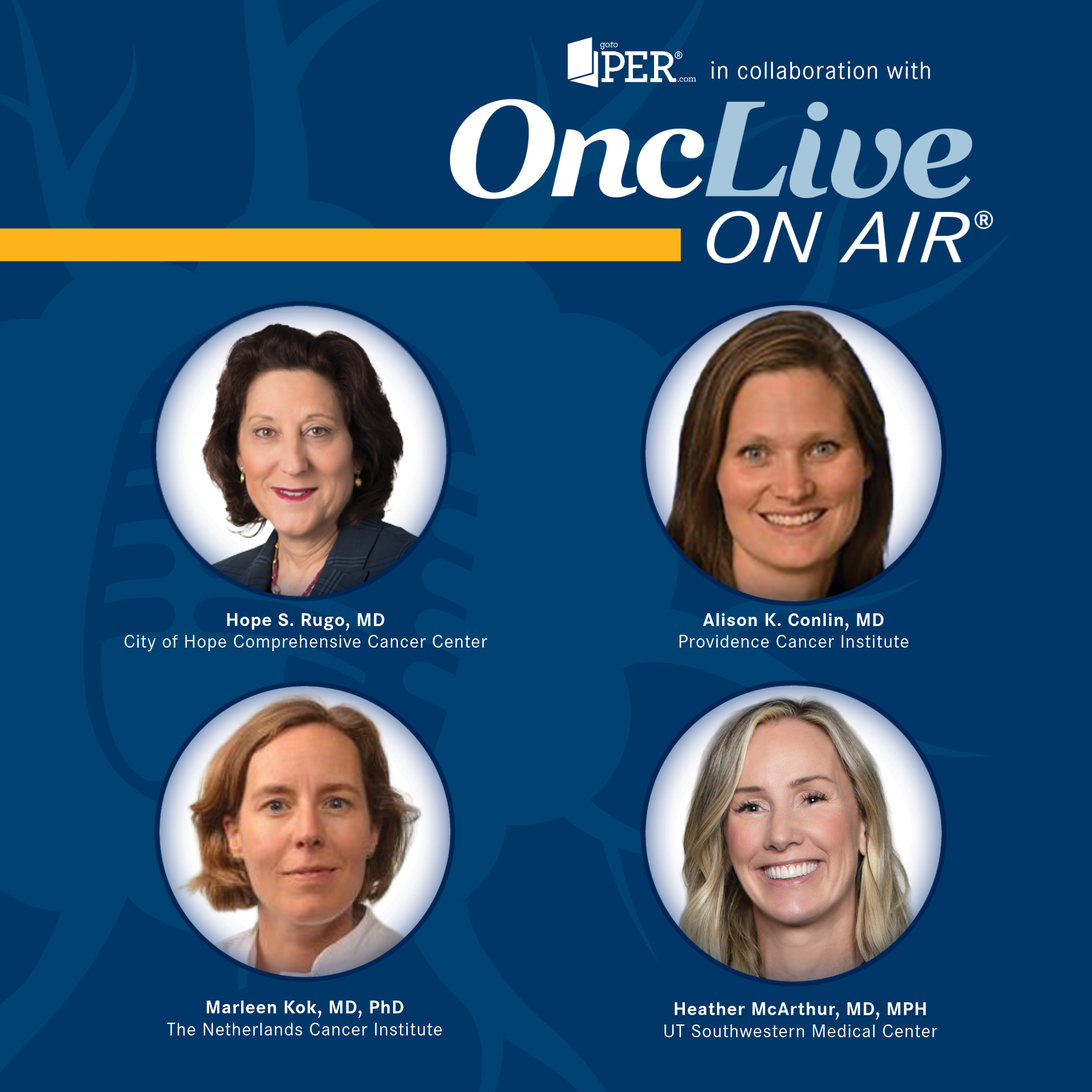
As the obesity market matures, the key differentiator may shift from maximum weight loss to tolerability. High discontinuation rates for GLP-1s due to GI side effects create an opportunity for drugs with slightly lower efficacy but a stellar safety profile, which could capture a large and underserved patient segment.

Despite showing massive weight loss, new obesity drugs from Eli Lilly and others have high discontinuation rates due to side effects. This suggests the industry's singular focus on efficacy may be hitting diminishing returns, opening a new competitive front based on better patient tolerance and adherence.

While its IV administration is a hurdle, the pan-PI3K/mTOR inhibitor gedotolisib is clinically compelling because of its distinct safety profile. It causes significantly less hyperglycemia and diarrhea compared to oral PI3K inhibitors like alpelisib, making it an attractive option for patients where those specific toxicities are a major concern.

The hyperglycemia from PI3K/AKT inhibitors is due to insulin resistance, not lack of insulin. Treatment must focus on insulin sensitizers (metformin, SGLT2 inhibitors). Using agents that increase insulin secretion is counterproductive as it can reactivate the PI3K cancer pathway.