Get your free personalized podcast brief
We scan new podcasts and send you the top 5 insights daily.
Nvidia's Jensen Huang believes a new generation of AI-native workers will solve adoption challenges. This view overlooks that many young people are resistant or hostile to AI. Businesses cannot assume universal AI acceptance and must plan for a workforce with divided sentiment.

Related Insights
The younger generation's negative sentiment toward AI isn't Luddism. It's a feeling of being 'double-crossed' by tech leaders who are creating technology that will eliminate their future job prospects, leading to anger over economic disenfranchisement.

A growing anti-AI sentiment among college students, evidenced by boos at commencement speeches, is creating a critical problem. While students fear AI's impact, companies will not hire graduates who are resistant to using it, potentially making an entire generation of graduates unemployable.
Young workers feel a deep ambivalence about AI. They overwhelmingly use it to be more productive but also rationally worry it will make them "lazier and less smart" over time. This isn't resistance to change, but a valid concern about skill atrophy that leaders must address directly.

The 'No AI Used' movement will grow, fueled by genuine negative impacts like job loss. Leaders should approach this with empathy, acknowledging AI's downsides like we do the internet's, rather than dismissing it with a Silicon Valley 'accelerate at all costs' mentality.

Early AI adoption in software development saw a split: experienced engineers dismissed AI-generated code as low-quality 'slop', while junior developers, less able to discern its flaws, embraced it more readily. This highlighted a significant skill and trust gap.

The unpopularity of AI is not driven by sci-fi scenarios but by the immediate, personal question: 'What's going to happen to me?' Leaders have failed to explain how AI will concretely affect the jobs and opportunities of everyday workers.

Tech leaders' apocalyptic predictions about AI's impact on jobs might not be solely for hype. This perspective suggests their views are shaped by a lack of historical knowledge about technological adoption and a flawed assumption that average people will engage with technology as deeply as they do, leading to overestimations of disruption speed and scale.
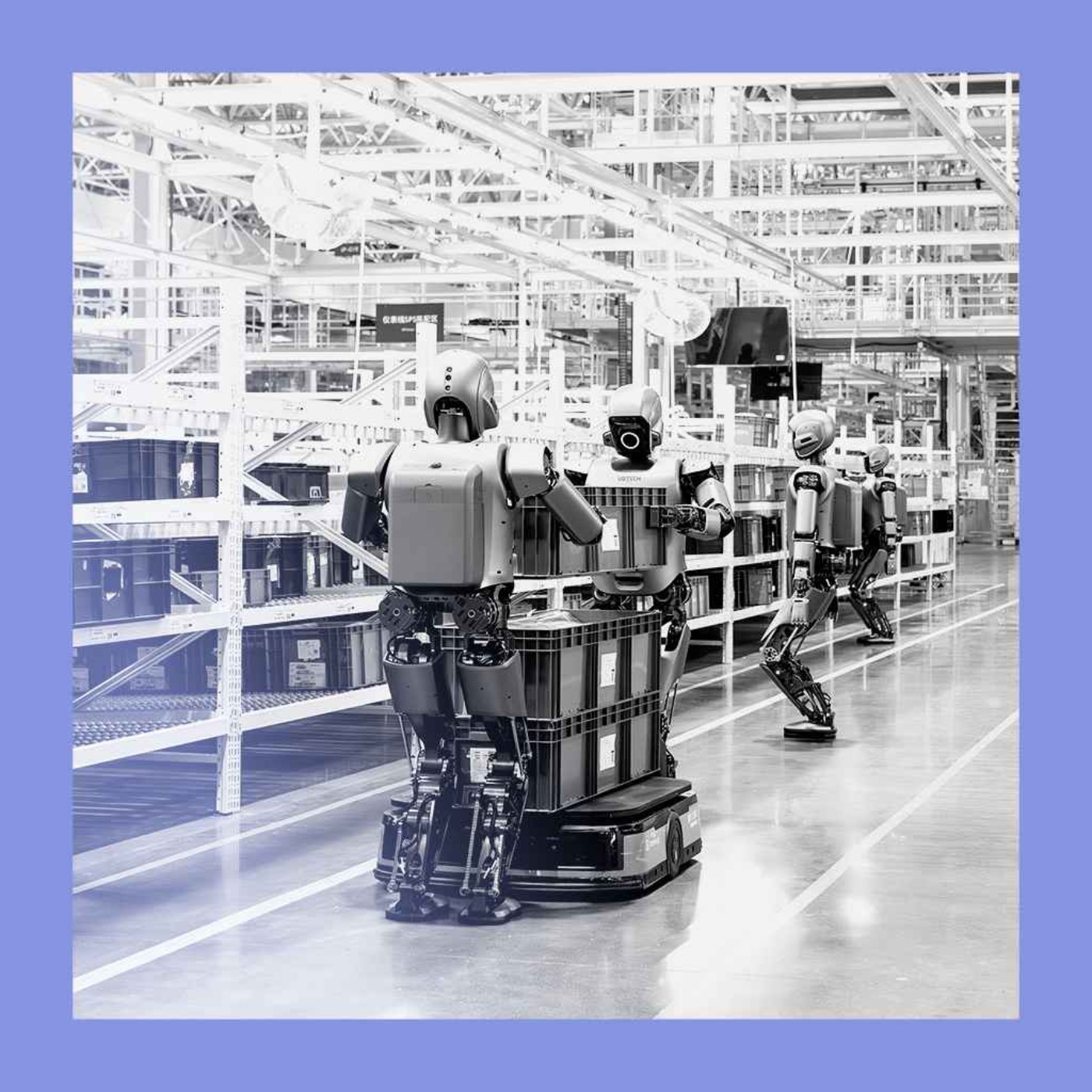
Resistance to AI in the workplace is often misdiagnosed as fear of technology. It's more accurately understood as an individual's rational caution about institutional change and the career risk associated with championing automation that could alter their or their colleagues' roles.

Leaders often misjudge their teams' enthusiasm for AI. The reality is that skepticism and resistance are more common than excitement. This requires framing AI adoption as a human-centric change management challenge, focusing on winning over doubters rather than simply deploying new technology.

Contrary to the belief that younger generations will blindly adopt new technology, Gen Z workers are showing caution. They are pushing back against the mandatory use of AI tools, expressing a desire to first learn and internalize fundamental skills before using AI, fearing they will lose the ability to 'hone their craft.'