Get your free personalized podcast brief
We scan new podcasts and send you the top 5 insights daily.
For the typically young and active desmoid tumor patient population, the convenience of a once-daily oral pill is a major advantage. This seemingly simple feature significantly improves compliance and adherence compared to twice-daily regimens, making it a key factor in real-world treatment feasibility and success, more so than the specific milligram dosage.

Related Insights
As more effective treatments for desmoid tumors become available, a critical unmet need is emerging: knowing when to stop therapy. Future research must focus on identifying signals, such as radiologic changes on MRI, to guide treatment duration. This will help clinicians avoid both the risk of early relapse from stopping too soon and the toxicity of unnecessary overtreatment.
A common assumption that older patients may prefer simpler, continuous medication regimens is often incorrect. Clinical experience shows that the vast majority of patients, regardless of age, are interested in a time-limited therapy option, provided it can be delivered conveniently without infusions.

Desmoid tumors exhibit highly variable behavior, acting as a chronic disease in some patients while being manageable in others. This necessitates a personalized, long-term treatment strategy rather than a standard protocol, often requiring a diverse armamentarium of therapeutic options to be used over a patient's lifetime as needs change.
The development of SERDs for adjuvant therapy was stalled for two decades not by efficacy concerns, but by logistics. Fulvestrant, the first SERD, required monthly intramuscular injections, a pragmatically unfeasible strategy for a 5-year adjuvant trial, a problem only solved with the advent of oral SERDs.

While new systemic treatments for desmoid tumors can effectively control the disease and improve quality of life by managing symptoms, they introduce their own set of side effects. This creates a clinical challenge where the positive impact on the tumor must be carefully weighed against the negative impact of the treatment itself on the patient's daily life.
The selection between PARP inhibitors like olaparib and niraparib is not one-size-fits-all. It's a personalized decision based on patient preference for dosing frequency (once vs. twice daily), tolerance for side effects like hypertension, and potential drug-drug interactions.

The development of PARP-1 selective inhibitors like seriparib signals a shift in drug innovation. Instead of only chasing higher efficacy, these new agents aim for a more favorable toxicity profile (less GI toxicity, fewer dose discontinuations) to improve patient quality of life and treatment adherence.
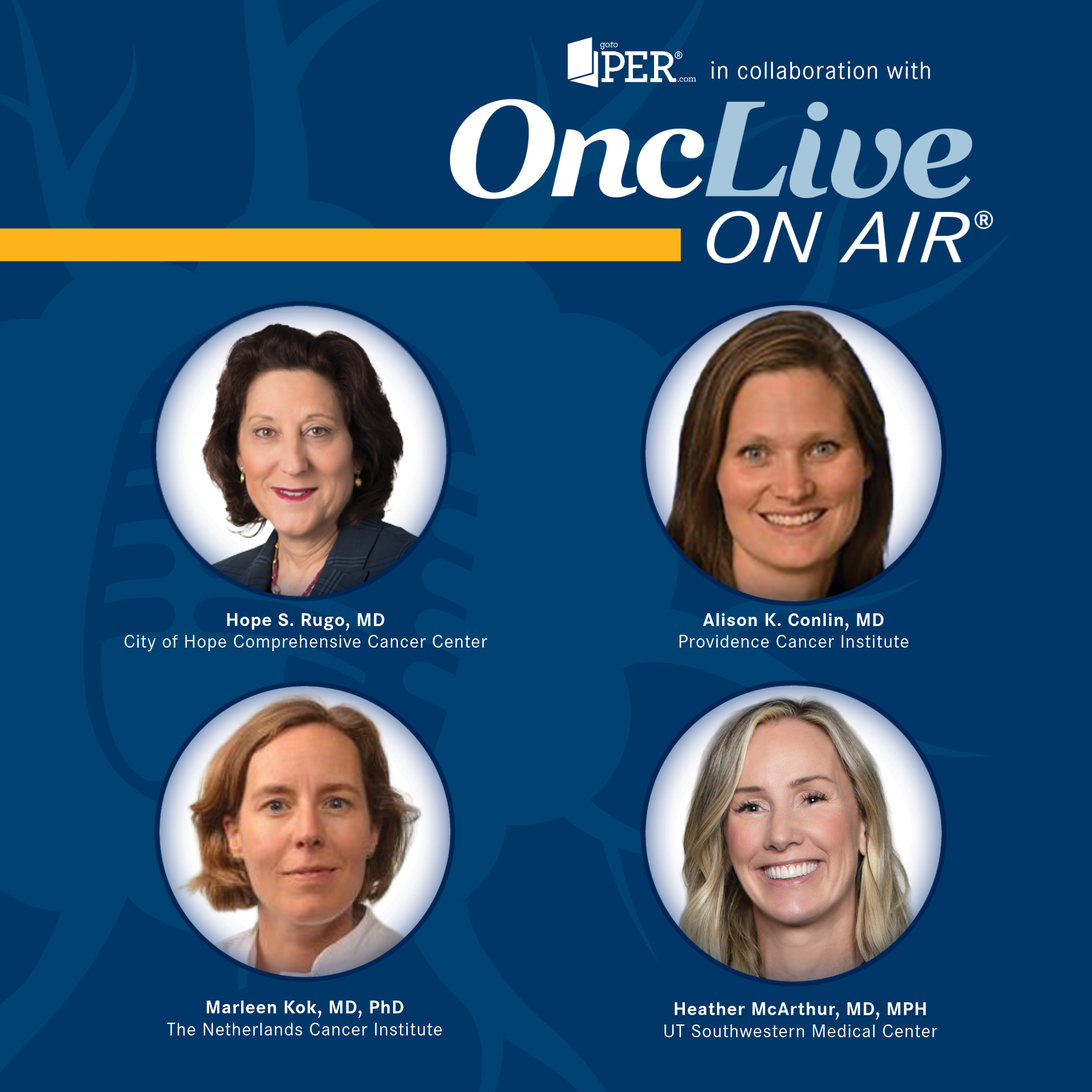
The Phase 2 TRAIT study suggests starting adjuvant abemaciclib at a lower dose and escalating over several weeks significantly reduces early discontinuations due to side effects like diarrhea. This strategy helps more patients get through the initial high-toxicity period and remain on the effective dose for the full two-year course.
A major challenge in managing high cholesterol is patient adherence to daily medication for life. New therapies like Inclisiran use mRNA silencing and require only two injections per year, dramatically improving adherence for busy or non-compliant individuals.

Upstream Bio believes its 12-week dosing schedule for verekitug is a significant patient advantage, even if efficacy only meets or exceeds existing drugs. The CEO states that market research confirms that reducing injections from 13 to 4 times per year is a meaningful improvement that can drive commercial success, prioritizing patient convenience as a differentiator.