Get your free personalized podcast brief
We scan new podcasts and send you the top 5 insights daily.
Upstream Bio believes its 12-week dosing schedule for verekitug is a significant patient advantage, even if efficacy only meets or exceeds existing drugs. The CEO states that market research confirms that reducing injections from 13 to 4 times per year is a meaningful improvement that can drive commercial success, prioritizing patient convenience as a differentiator.

Related Insights
The CEO revealed a capital-efficient strategy: combining data from both its severe asthma and nasal polyps Phase 2 trials to inform a unified Phase 3 development plan. This allows the company to engage with regulators for both indications simultaneously, accelerating development and conserving resources by leveraging a single robust dataset across programs.
A key trend in 2025's drug approvals is that "best-in-class" therapies are distinguished not just by efficacy, but by innovations in formulation and delivery that improve the patient experience. Examples include subcutaneous versions of IV drugs and new delivery methods that expand patient access.

Instead of targeting new biological pathways, Apogee enhances proven antibody therapies by extending their half-life. This shifts the competitive battleground from pure scientific discovery to patient adherence and lifestyle, aiming for quarterly or semi-annual dosing versus the current bi-weekly standard for market leaders.

Protagonist believes its oral IL-23 blocker will not just compete with existing injectables but will capture a new market. They target the over 50% of eligible patients who currently take no therapy due to a dislike of injections or the safety profiles of other oral options, thereby expanding the total addressable market.

A major challenge in managing high cholesterol is patient adherence to daily medication for life. New therapies like Inclisiran use mRNA silencing and require only two injections per year, dramatically improving adherence for busy or non-compliant individuals.

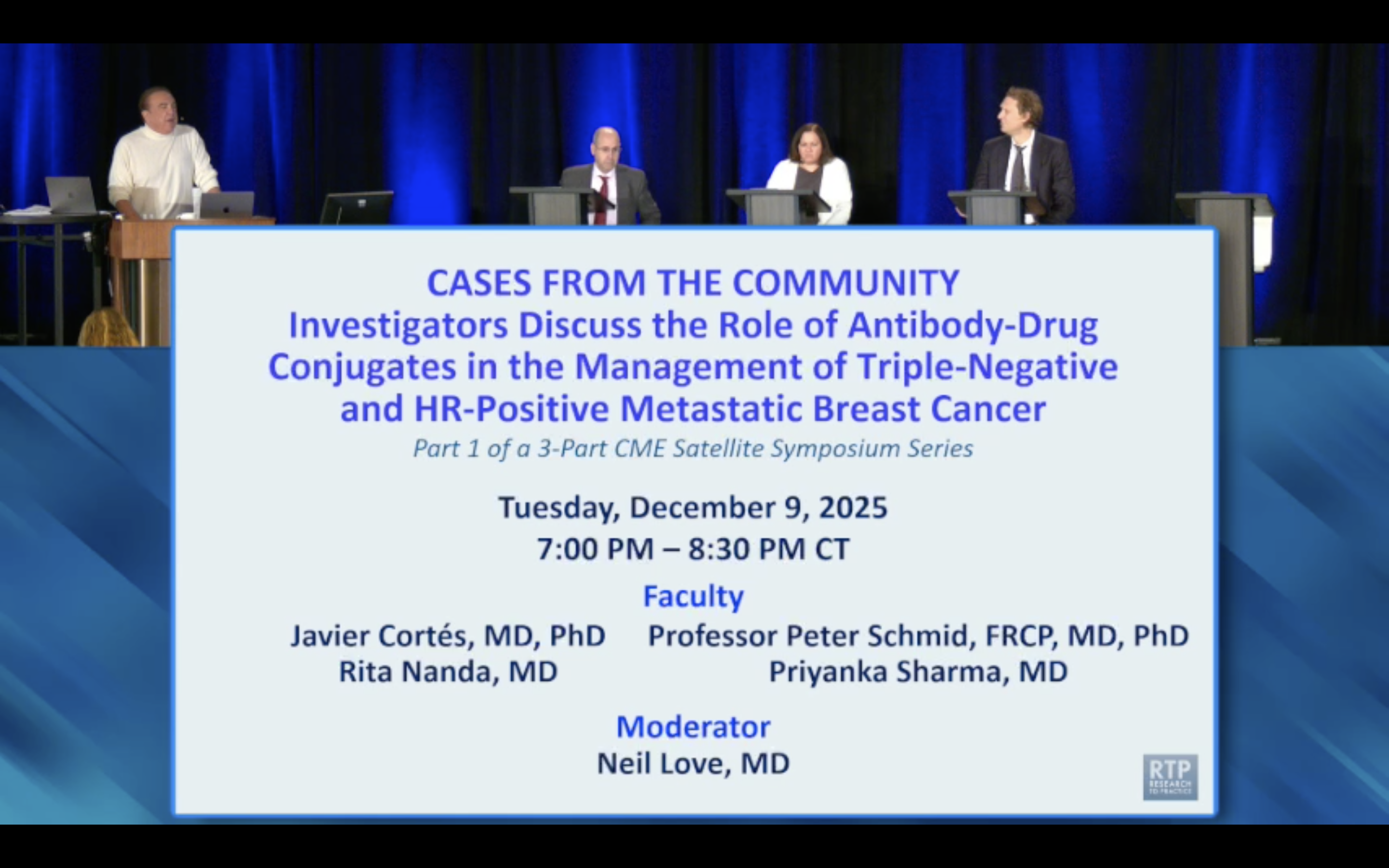
When efficacy and safety profiles are comparable between ADCs like sacituzumab and datopotamab, the final choice can be guided by patient logistics. Factors include infusion frequency (Day 1 & 8 vs. every 3 weeks) and total time spent at the infusion center.
For RNAi and antisense therapies targeting chronic conditions like cardiovascular disease, the critical competitive advantage is durability, not just efficacy. The ability to offer infrequent dosing, such as twice-yearly injections, represents a significant step-change from daily medications and is the key factor expected to drive market adoption.

In a crowded field, GSK's CSO explains their choice of the FGF21 molecule "Effie" was driven by three specific technical advantages: a longer half-life enabling monthly dosing for sicker patients, easier manufacturing via mammalian systems, and the lowest immunogenicity profile compared to competitors.

When asked about complex antibodies like ADCs and bispecifics, GSK's CSO emphasizes that extending a drug's duration is a primary innovation. He highlights a severe asthma treatment dosed just twice a year as a prime example of creating significant patient value before adding further engineering complexity.
Faced with a competitor's once-monthly dosing schedule versus their own weekly one, Vera's CEO strategically downplays frequency as a key differentiator. He emphasizes their drug's easy-to-use autoinjector, low volume, and high patient adherence, framing the weekly schedule as a minor detail within a superior overall patient experience.