Get your free personalized podcast brief
We scan new podcasts and send you the top 5 insights daily.
Inspired by legacy brands like Chanel No. 5, the founders named their company "Beekman 1802" after the farm's original builder and founding year. This was a deliberate choice to build a brand that could become a legacy, separate from their personal identities, ensuring it could endure beyond them.

Related Insights
The most successful founders, like Koenigsegg, say the same things on day one as they do 20 years later. Their success comes not from pivoting, but from the relentless, decades-long execution of a single, powerful vision. This unwavering consistency compounds into a massive competitive advantage and defines the company's character.

The performance underwear brand "Paradis Sport" is named after Marie Paradis, the first woman to climb Mont Blanc. This historical tie-in instantly provides a powerful narrative of female strength and perseverance, elevating the brand beyond a simple product and creating a compelling story for marketing and customer connection.

Enduring 'stay-up' brands don't need to fundamentally reinvent their core product. Instead, they should focus on creating opportunities for consumers to 'reappraise' the brand in a current context. The goal is to make the familiar feel fresh and relevant again, connecting it to modern culture.

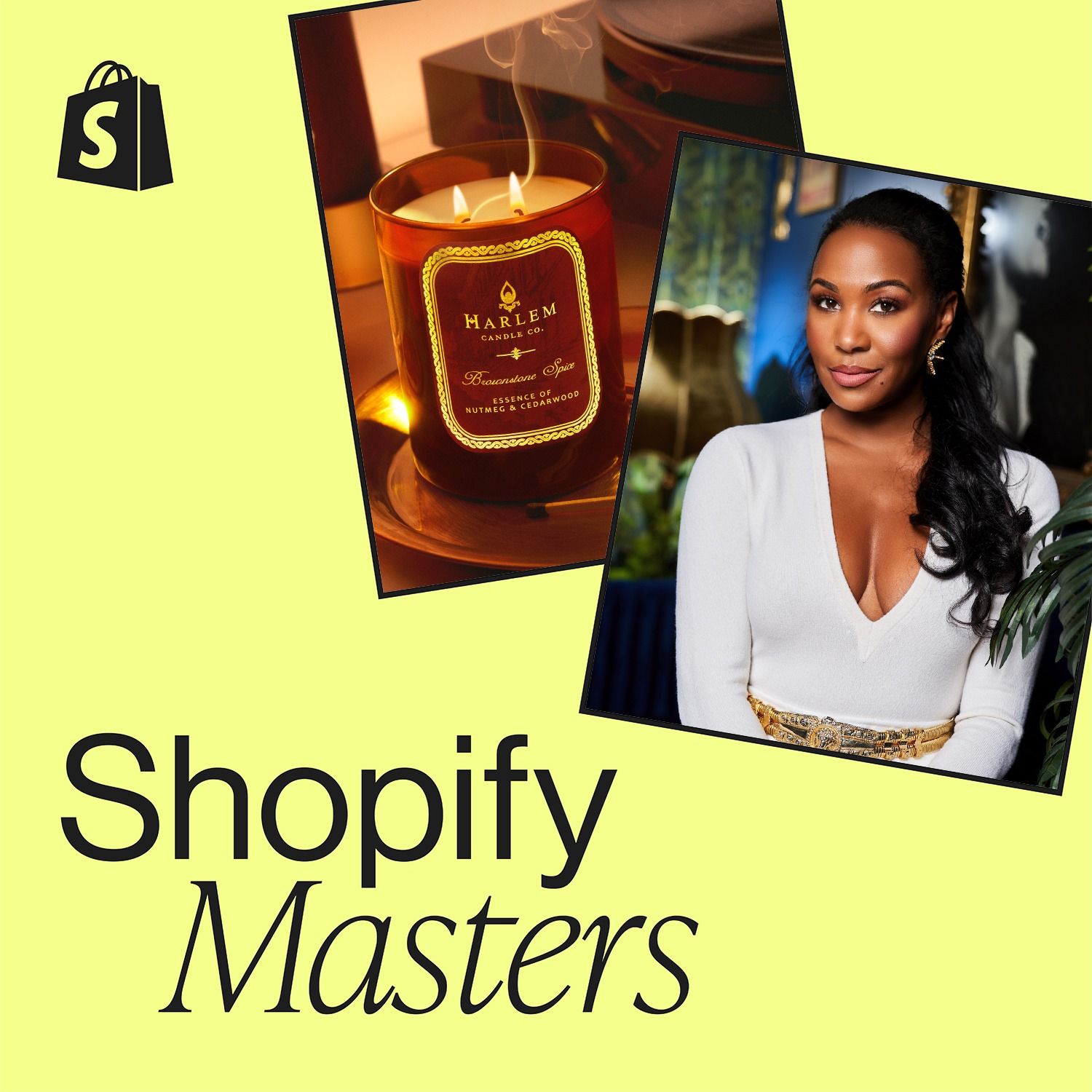
To stand out in the saturated candle market, founder Terry Johnson drew from her personal passion for the Harlem Renaissance, inspired by her time studying in Paris. This authentic connection to a specific cultural history gave the brand a unique “soul” that resonated deeply with customers.
The first step in reviving a heritage brand like Chili's is to deeply research its history, founders, and original essence. This historical foundation provides the authentic DNA needed to build a relevant modern brand positioning, rather than inventing something new.

For communities or companies like Dave Gerhardt's Exit 5, the founder's personal brand can become the primary differentiator. This creates a 'category of one' in the customer's mind (e.g., 'The Dave Gerhardt Community'), making direct comparisons difficult and establishing a powerful moat that transcends feature-based competition.

Naming your business after its location (e.g., "Bend Fencing") can create a perception of longevity and deep local roots, even for a brand-new company. This simple trick builds immediate trust with customers who assume you're an established local player, bypassing early-stage credibility hurdles.
A brand's long-term health depends on leaders viewing themselves as stewards, not owners. This mindset allows the brand to have its own life, adapt, and evolve—much like a child growing into its own person—ensuring it can survive beyond the founder's direct control.

LoveSack operated successfully for years based on product instinct alone. However, transformational growth occurred only after the company intentionally defined its core brand philosophy—'Designed for Life'—and then amplified that clear message with advertising. This shows that a well-defined brand story is a powerful, distinct growth lever, separate from initial product-market fit.