Get your free personalized podcast brief
We scan new podcasts and send you the top 5 insights daily.
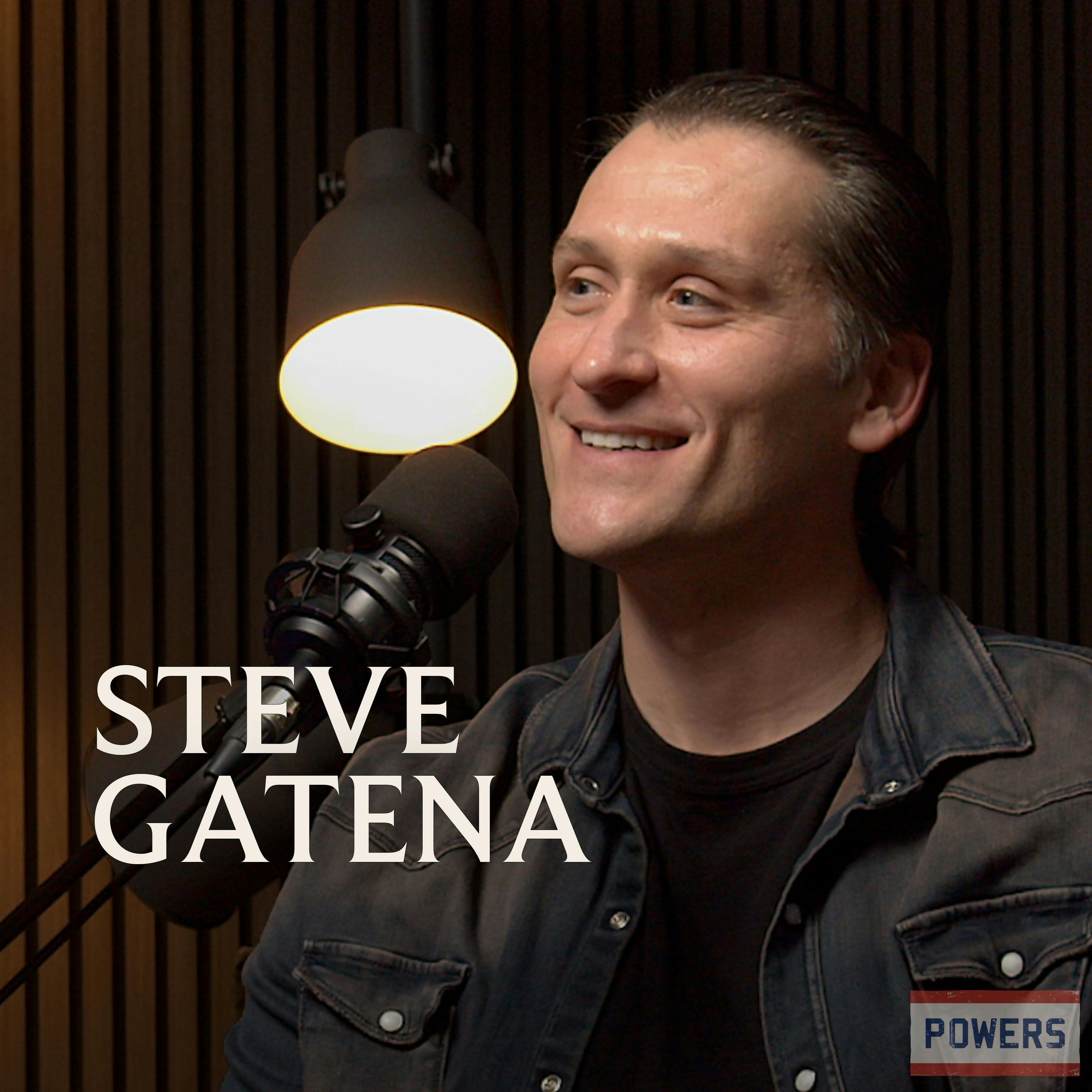
The speaker argues Hollywood is built on people pretending to be someone they're not, which fosters a 'main character energy' where individuals see themselves as writers of their own script. This mindset directly conflicts with the principles of faith, which involve surrendering control to a higher power.
Related Insights
There are only two fundamental worldviews: separation and connection. The separation worldview, rooted in scarcity, competition, and certainty, is the source of all conflict. Conversely, the connection worldview, based on abundance, mystery, and collaboration, aligns with nature and fosters peace.

All external conflict originates from internal conflict, which is driven by fear. This fear isn't random; it points directly to a corrupted or false sense of self. To resolve any conflict, you must first address the underlying identity issue, not just the external problem.
Matthew McConaughey reveals that even his best performances never fully matched the "divine" and "mythological" idea he had at the outset. This gap drives excellence but requires creators to accept that the final product, while great, will be a "mortal piece of art."

People will label you based on how they encounter you (e.g., "pastor," "engineer"). Accepting this single label as your full identity is a form of self-imprisonment. To realize your full potential, you must resist being defined by a single role and explore the multiple gifts and talents you possess.

The subtle linguistic shift from "Christian athlete" (where athlete is the noun) to "Christian who plays sports" (where Christian is the core identity) is a powerful way to ground a person's self-worth in faith, not in fluctuating performance or success.

The speaker observes that Hollywood typically rejects open discussions of faith. Encountering Charlie Sheen, who is moving from atheism to spiritual curiosity, is seen as a genuine, inspiring signal of a larger, supernatural cultural change happening in unexpected places.
The speaker believes mainstream media often tells men they are unloved, incapable, and unnecessary. In contrast, his platform's content for young men focuses on an empowering message: 'You are loved unconditionally by God. You are capable. And people need you.' This directly addresses a perceived cultural void.
Unlike watching a movie as an observer, reading makes you embody the character, lighting up the brain as if you're living their experiences. This unique power to generate deep empathy is why books face such intense banning efforts from those who want to control who children empathize with.
The "authenticity" that makes video performers successful is a constructed performance of understanding an unseen audience while staring into a camera. It's a specific, under-theorized skill of transmission, not a reflection of one's true self, making the term "authentic" a misnomer for a calculated craft.
Young, ambitious people often hold two conflicting beliefs: terror of being exposed as a fraud and an irrational certainty they will succeed. Judd Apatow suggests the latter wins out not through logic, but because the "madness" of youthful self-belief has more raw energy, overpowering the fear of failure.
