Get your free personalized podcast brief
We scan new podcasts and send you the top 5 insights daily.
Amazon's culture eschews PowerPoint for detailed written documents. This forces leaders to thoroughly research their proposals, clearly define outcomes and risks, and craft a compelling narrative, leading to more rigorous and well-considered decisions.

Related Insights
The act of writing forces clarity. Jeff Bezos mandates written narratives over slideshows at Amazon because the process exposes fuzzy thinking. While a clear thinker isn't always a great writer, a clear writer is invariably a clear thinker. This makes writing a critical leadership skill, not just a marketing tactic.
The common failure of "pre-read" meetings is that attendees don't do the reading. Atlassian, like Amazon, solves this by starting decision-making meetings with a dedicated, silent period where everyone reads the context document together. This guarantees shared context and makes the subsequent discussion far more effective.
The rigorous training to condense any recommendation into a single page forces a level of critical thinking and clarity that is often lost in lengthy slide decks. This skill becomes more valuable with career progression, creating a competitive advantage.

Unlike companies where values are just posters, Amazon integrates its leadership principles into core processes like promotion documents and project meetings. This constant, practical application forces employees to learn and embody the principles, making them the true operating system of the company culture.

Amazon rejected PowerPoint because reading is 7-8 times faster than listening. Meetings begin with 20 minutes of silent reading of a well-structured document. This ensures everyone has the same deep context, forces presenters to clarify their thinking, and leaves more time for high-quality discussion and decision-making.

Tailor your innovation story to your company's risk culture. For risk-averse organizations, proactively acknowledging potential problems, barriers, and what could go wrong is more persuasive. For risk-tolerant cultures like Amazon's, leading with opportunity and the potential for learning is more effective.

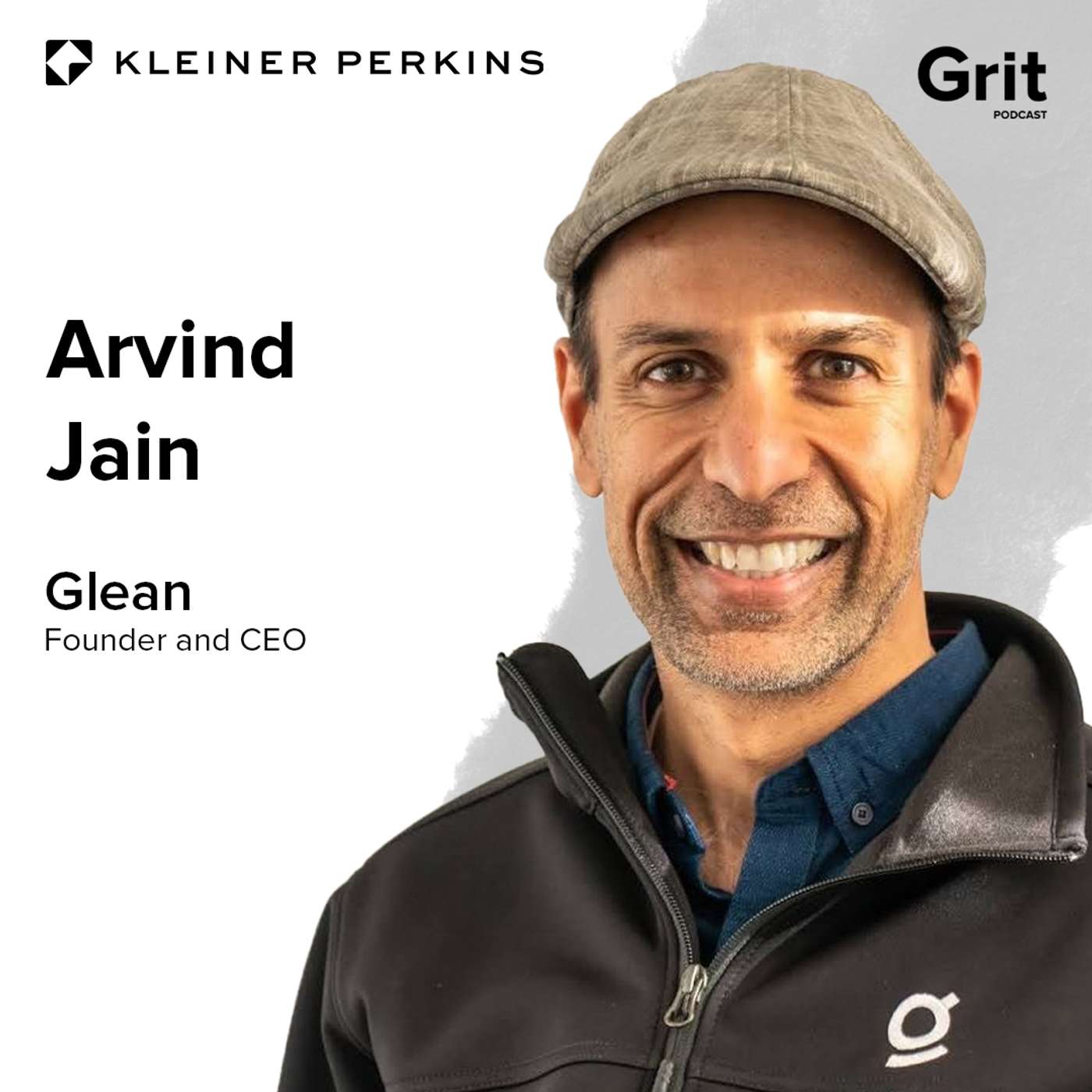
Arvind Jain insists on receiving written thoughts before discussions. It's partly for his own processing style (he absorbs information better by reading). More importantly, he believes the act of writing is the most effective way for anyone to structure their thoughts coherently and make better strategic decisions.
Technologists often fail to get project approval by focusing on specs and data. A successful pitch requires a "narrative algorithm" that addresses five key drivers: empathy, engagement, alignment, evidence, and impact. This framework translates technical achievements into a compelling business story for leadership.
Jensen Huang uses the whiteboard as the primary meeting tool to compel employees to demonstrate their thought process in real-time. This practice eliminates hiding behind prepared materials and fosters rigorous, transparent thinking, revealing immediately when someone hasn't thought something through.

A leader's job isn't just to provide answers but to articulate the reasoning behind them, like showing work on a math problem. This allows team members to understand the underlying frameworks, debate them effectively, and apply the same point of view independently, which is crucial for scaling leadership.