Get your free personalized podcast brief
We scan new podcasts and send you the top 5 insights daily.
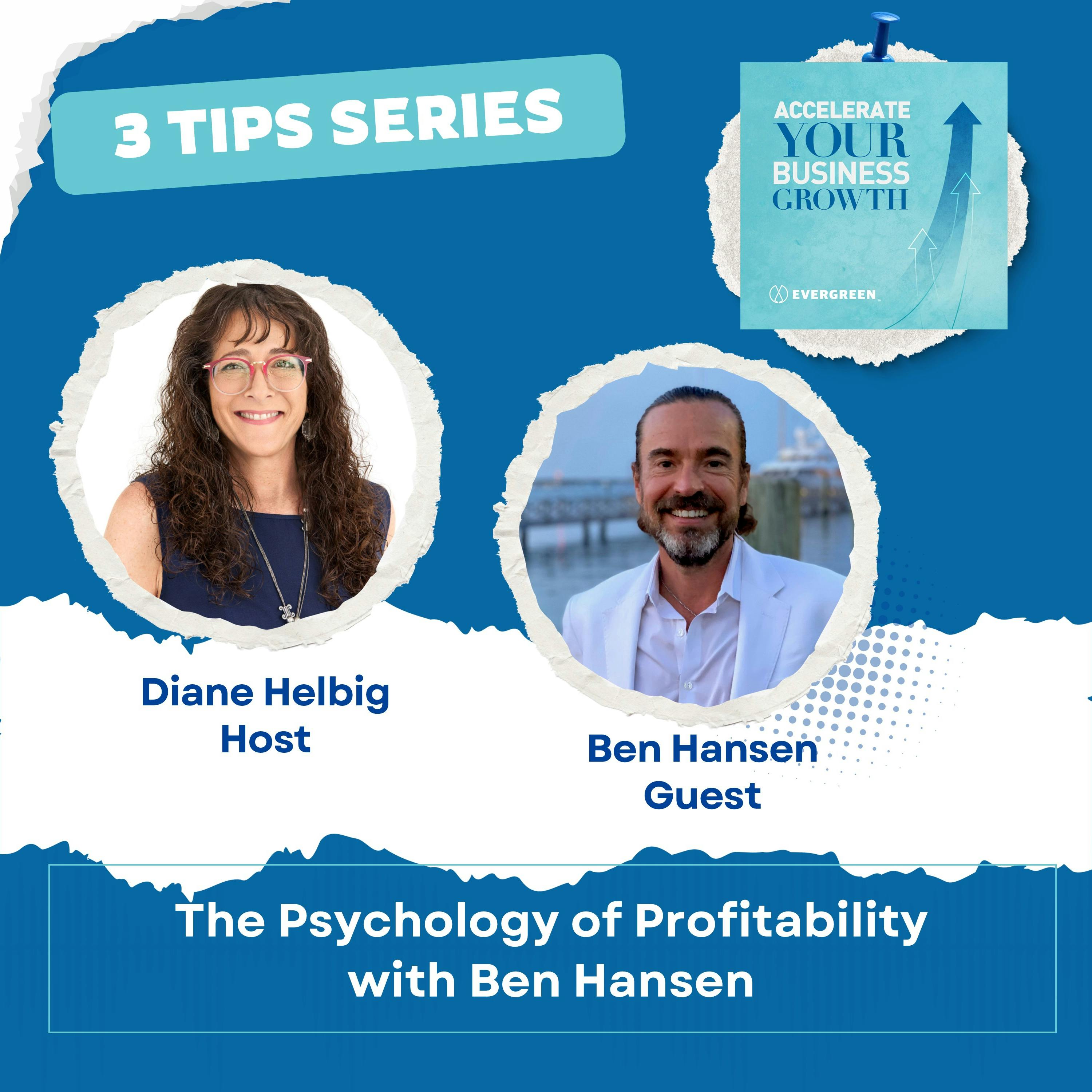
Persistent profitability issues are not just a balance sheet problem; they take a significant toll on a leader's mental and physical health. This can lead to imposter syndrome, chronic stress, and burnout. Fixing the business's profitability is a direct path to improving the leader's own well-being.
Related Insights
Chasing a top-line revenue goal like "$1 million" is a vanity metric. A business earning $1M at a 5% margin nets only $50,000 for the owner. The focus should be on maximizing profit percentage, not just the revenue number, to build a sustainable and rewarding enterprise.

Many founders run "too lean," maximizing short-term profit at the expense of long-term growth. Strategically investing in a team, even if it lowers margins temporarily, frees the founder to focus on scaling, leading to greater overall profitability and less burnout.
It's common for entrepreneurs to find that when their business excels, their home life is in chaos. This isn't a coincidence but a "success tax" paid by the neglected domain. The solution is to build systems that support both areas simultaneously, preventing one's success from causing the other's failure.

If your business stops the moment you do, burnout is an inevitable outcome of a flawed model. Use this exhaustion as a signal to build systems, delegate, or create passive income streams. This shifts the focus from personal endurance to creating a sustainable enterprise that can function without your constant presence.
Burnout extends beyond mental exhaustion to a measurable physiological state. High cortisol levels provide a "physical manifestation" of chronic stress, reframing burnout from a vague feeling into a tangible health issue. This perspective underscores the importance of physical rest and recovery, not just mindset shifts, to heal.
While sleep and exercise are helpful, the only sustainable way for an ambitious leader to avoid burnout is to scale themselves. This requires developing the superpower of hiring and retaining talented people who can leverage the leader's efforts, ultimately creating more output and personal balance than simply working harder.
The transition from 'deal jockey' to operator at a multi-billion dollar company took a visible physical and emotional toll on Snowflake's CRO. He lost his passion for the operational grind, leading to burnout. This highlights the importance of self-awareness for leaders in hyper-growth environments.

Senior leaders, like managing partners and CEOs, often carry significant burdens they cannot share with their teams or even their families. This creates a profound sense of isolation, highlighting the need for a trusted, confidential advisor.

High-achievers often avoid rest because of a deep-seated fear that taking their "foot off the gas" will cause their business and life to fall apart. This isn't just about missing opportunities; it's a fear of total failure. Overcoming this requires building trust through small, safe experiments in slowing down, proving that the business can survive without constant, high-intensity effort.