Get your free personalized podcast brief
We scan new podcasts and send you the top 5 insights daily.
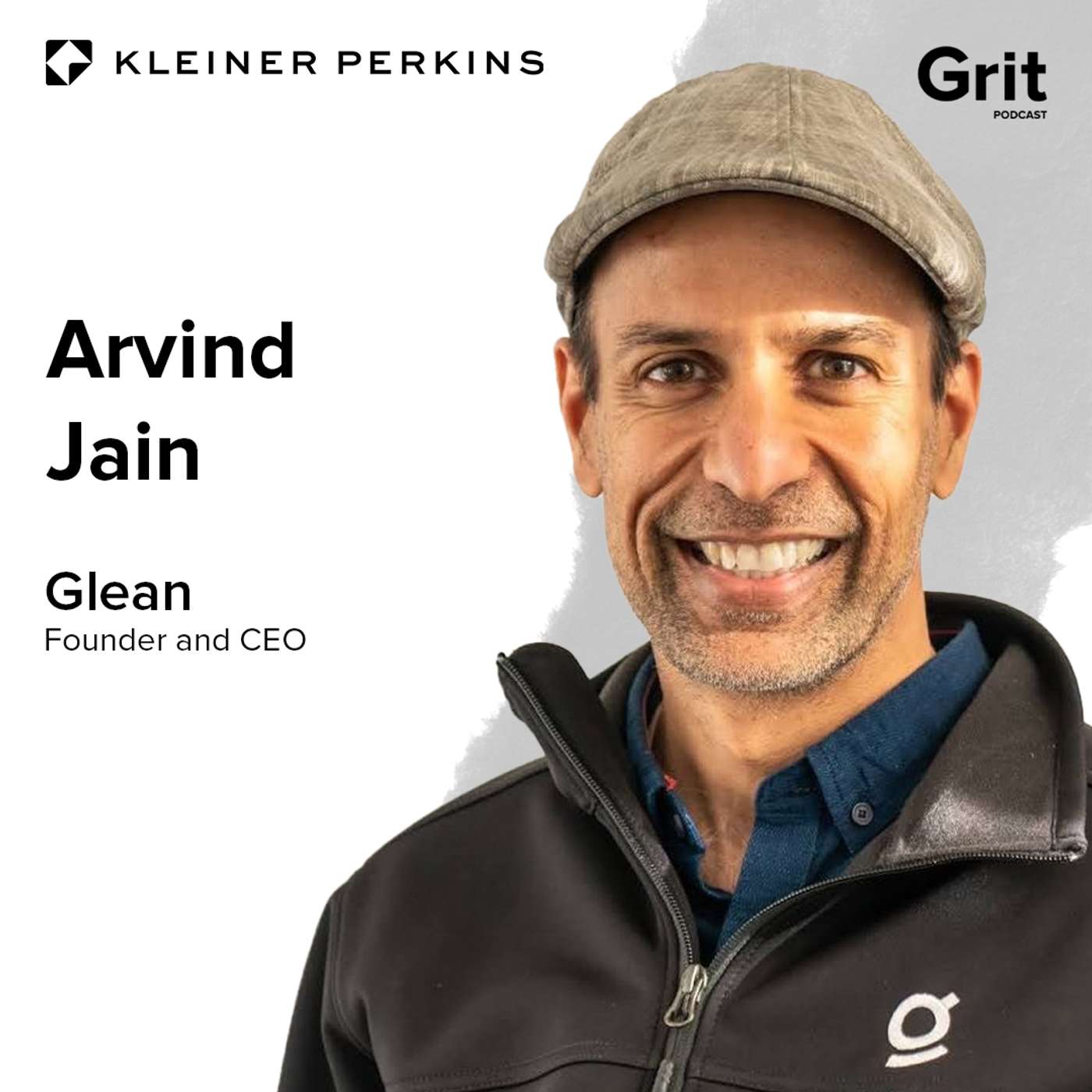
Reaching the 1,000-employee milestone wasn't a celebration for CEO Arvind Jain. Instead, it sparked panic about becoming a bloated, slow "big company" and highlighted the immense challenge of maintaining alignment and prioritization at scale.
Related Insights
Arvind Jain clarifies that while he doesn't personally enjoy creating processes, he gets more annoyed by the lack of it. He sees process as a critical tool to avoid repeating work and answering the same questions, enabling the company to scale efficiently.
Citing Unity's CEO, Adrian Solgaard highlights the "messy middle" of scaling (from 12 to 100 employees). This awkward phase lacks the intimacy of a small startup and the structure of a large corporation, requiring a difficult leadership transition that founders often struggle with.

Brian Halligan graded his performance and happiness as CEO based on company size. He felt most effective and enjoyed his work most in the 10-1,000 employee range, focusing on customers and employees. Beyond that, the work became less interesting and more administrative, suggesting a founder's ideal stage may be finite.

As startups hire and add structure, they create a natural pull towards slower, more organized processes—a 'slowness gravity'. This is the default state. Founders must consciously and continuously fight this tendency to maintain the high-velocity iteration that led to their initial success.

Scaling a team is not a linear process. Each time a company's number of employees doubles (e.g., from 5 to 10, then to 20), its operational structure, processes, and even strategy must be completely re-evaluated. This forces a difficult transition from generalized roles to specialized functions.

Gamma's CEO resists the pressure to scale headcount aggressively, arguing that doubling the team size does not guarantee double the speed. He believes a smaller, more agile team can change direction faster, which is more valuable than raw speed in a rapidly evolving market.

As companies grow from 30 to 200 people, they naturally become slower. A CEO's critical role is to rebuild the company's operating model, deliberately balancing bottom-up culture with top-down strategic planning to regain speed and ensure everyone is aligned.

Business growth isn't linear. Scaling up introduces novel challenges in complexity, cost, and logistics that were non-existent at a smaller size. For example, doubling manufacturing capacity creates new shipping and specialized hiring problems that leadership must anticipate and solve.
Based on Sheryl Sandberg's wisdom, growing headcount over 100% per year is a bad idea that creates duplication and chaos. The happiest, most sustainable growth rate is around 50%. While 100% is manageable, anything beyond that introduces more problems than it solves, ultimately slowing the company down.

The narrative of tiny teams running billion-dollar AI companies is a mirage. Founders of lean, fast-growing companies quickly discover that scale creates new problems AI can't solve (support, strategy, architecture) and become desperate to hire. Competition will force reinvestment of productivity gains into growth.
