Get your free personalized podcast brief
We scan new podcasts and send you the top 5 insights daily.
Go beyond stated values by using AI tools like Granola to analyze meeting transcripts in aggregate. This generates an "unspoken culture handbook" that reflects how your team actually operates, revealing gaps between stated and practiced values and providing a data-driven basis for hiring rubrics.
Related Insights
Create a public document detailing your company's operating principles—from Slack usage to coding standards. This "operating system" makes cultural norms explicit, prevents recurring debates, and allows potential hires to self-select based on alignment, saving time and reducing friction as you scale.

Zapier built an AI coach that analyzes meeting transcripts to provide feedback based on company values and frameworks. This automates cultural reinforcement, normalizes constructive criticism, and ensures leaders consistently model desired behaviors, scaling what is typically a manual process.
Shift your view of AI from a passive chatbot to an active knowledge-capture system. The greatest value comes from AI designed to prompt team members for their unique insights, then storing and attributing that information. This transforms fleeting tribal knowledge into a permanent, searchable organizational asset.

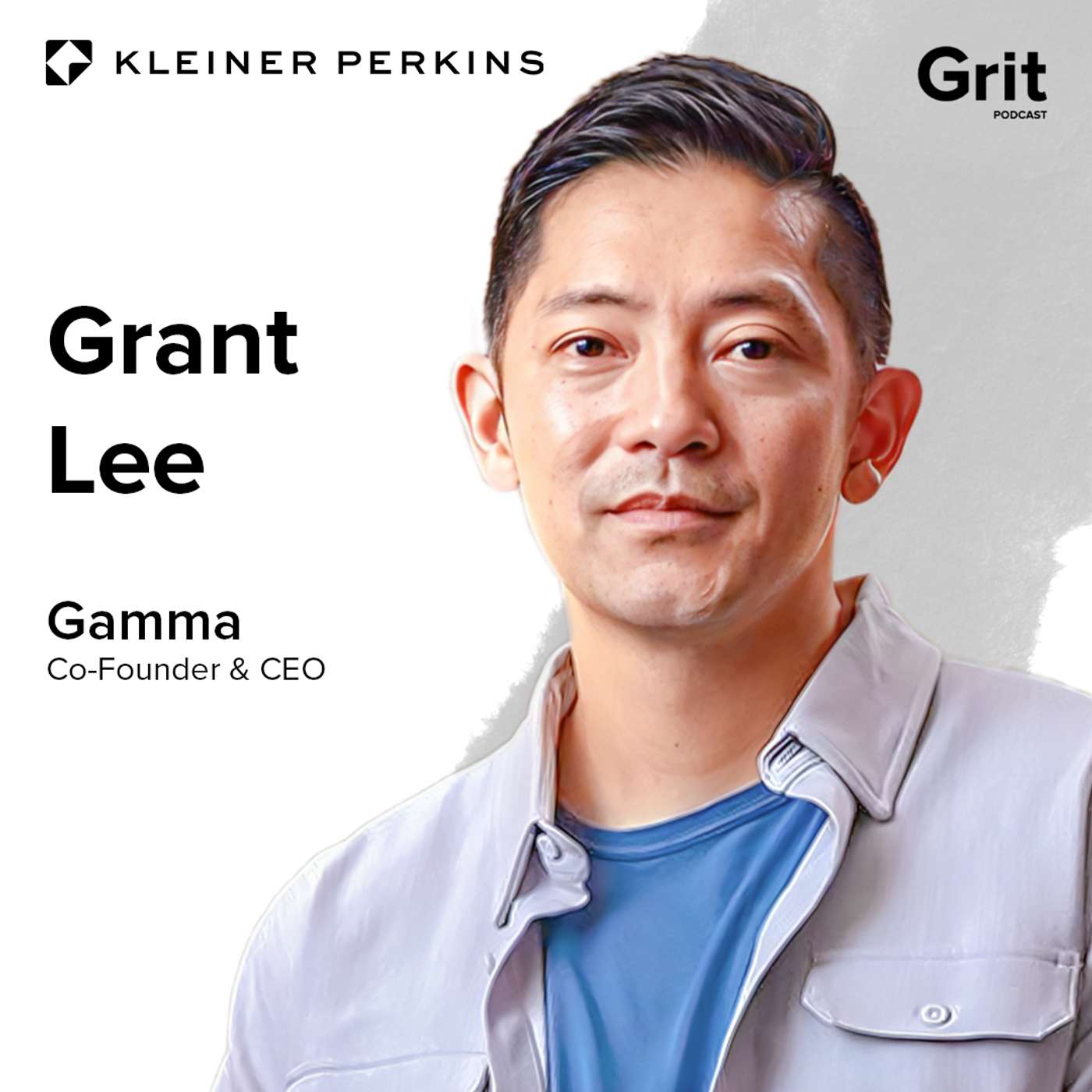
Instead of imposing top-down values, Gamma's CEO created a "notebook" of behaviors that team members organically praised in each other. These observed, authentic actions became the foundation of their culture deck, ensuring the values reflected reality.
Power dynamics often prevent leaders from receiving truly honest feedback. By implementing AI "coaching bots" in meetings, executives can get objective critiques of their performance. The AI acts as an "infinitely patient coach," providing valuable insights that colleagues might be hesitant to share directly.
Culture isn't an abstract value statement. It's the sum of concrete behaviors you enforce, like fining partners for being late to meetings. These specific actions, not words, define your organization's true character and priorities.

Instead of static org charts, AI can monitor team performance and sentiment to propose small, ongoing adjustments—like rotating a member for fresh eyes or changing meeting formats. This turns organizational design into a dynamic, data-driven process of continuous improvement, overcoming human inertia.

Create an AI agent that automatically reviews interview transcripts. By feeding it a job description and company values as knowledge sources, the agent can provide a "yes/no/maybe" hiring recommendation with reasoning, serving as an effective thought partner and bias check for hiring managers.
Instead of asking "what culture do we want?", BBDO asked "what are the characteristics of people who do best here?". This approach reverse-engineers a culture based on proven success, creating a practical and authentic behavioral language for the entire organization.

Instead of vague values, define culture as a concrete set of "if-then" statements that govern reinforcement (e.g., "IF you are on time, THEN you are respected"). This turns an abstract concept into an operational system that can be explicitly taught, managed, and improved across the organization.
