Get your free personalized podcast brief
We scan new podcasts and send you the top 5 insights daily.
Outcome-based pricing for varied enterprise tasks is difficult to meter after the fact. Giving agents fixed upfront budgets allows the underlying models to determine the optimal depth of contextual search and tool use within predetermined financial limits.

Related Insights
As AI moves from being a simple tool to an autonomous agent, pricing models are evolving. Companies like Sierra, chaired by OpenAI's Brett Taylor, advocate for outcome-based pricing, which charges for delivered results (e.g., a completed report) rather than the underlying token consumption.

Budgeting for AI is difficult because the utility-based, per-token pricing model is not viable or scalable for business departments like marketing and sales. This system is a temporary phase; expect AI providers to shift toward more predictable, outcome-based pricing models as the technology matures.
Despite AI's usage-based cost model, enterprise CFOs demand predictable expenses. Successful AI startups must absorb this cost variability by architecting systems with cost-saving measures to offer a stable, fixed price to their customers.

Contrary to the belief that enterprises have unlimited budgets, they are focused on the ROI of their AI spend. As agentic workflows cause token bills to skyrocket, orchestration tools that intelligently route queries to the most cost-effective model for a given task are becoming essential infrastructure.

Seat-based and token-based pricing for AI are intermediate steps. The ultimate model is outcome-based, where customers pay for specific value delivered—like a successful investment idea or a completed report. This perfectly aligns vendor cost with customer value, bypassing debates over token consumption ROI.

While seemingly logical, hard budget caps on AI usage are ineffective because they can shut down an agent mid-task, breaking workflows and corrupting data. The superior approach is "governed consumption" through infrastructure, which allows for rate limits and monitoring without compromising the agent's core function.

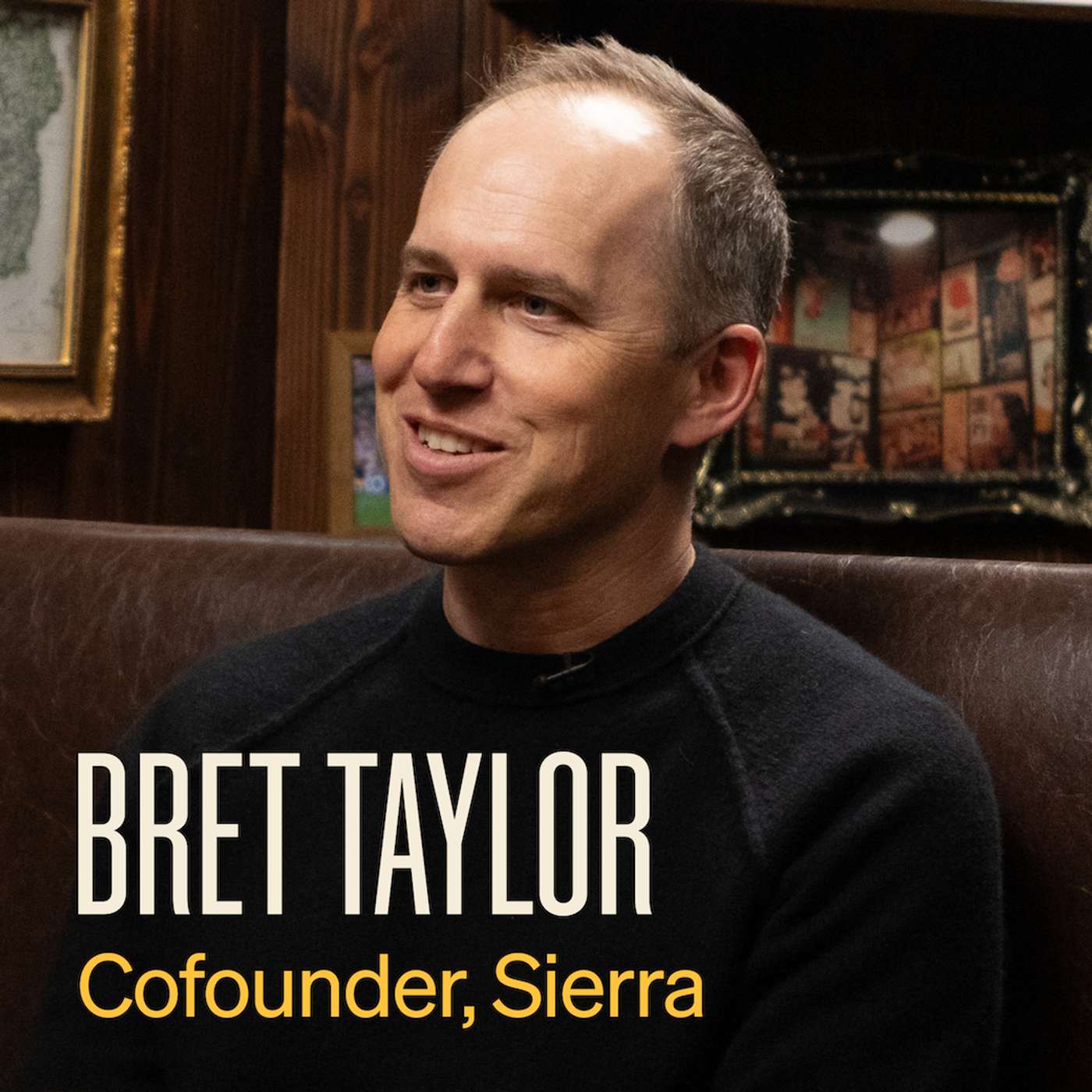
Bret Taylor of Sierra argues outcome-based pricing (charging for a resolved case) is superior to usage-based pricing (charging for tokens). It aligns vendor and customer interests by tying cost directly to business value, not resource consumption. This forces the vendor to improve product effectiveness, not just optimize for usage.
To combat the unpredictable costs of token-based AI usage, Pega is adopting a value-based pricing model. Instead of charging per token, they charge based on work completed (e.g., per loan funded or service request processed), aligning costs directly with business outcomes and enabling forecasting.

OpenAI is reportedly exploring outcome-based pricing, where customers are charged only if an AI successfully completes a task. This model shifts from a commodity-like 'cost per 1000 tokens' (CPM) to a value-aligned 'cost per successful action' (CPA), better aligning incentives.

In the age of AI, software is shifting from a tool that assists humans to an agent that completes tasks. The pricing model should reflect this. Instead of a subscription for access (a license), charge for the value created when the AI successfully achieves a business outcome.
