Get your free personalized podcast brief
We scan new podcasts and send you the top 5 insights daily.
Studies show users quickly forget content they've written with AI. This isn't a simple memory lapse; it's a neurological outcome. By outsourcing the cognitive struggle of writing, the user fails to engage brain structures like the hippocampus, which are critical for encoding information. Without the "experience" of creation, the memory is never properly formed.

Related Insights
Rather than causing mental atrophy, AI can be a 'prosthesis for your attention.' It can actively combat the natural human tendency to forget by scheduling spaced repetitions, surfacing contradictions, and prompting retrieval. This enhances cognition instead of merely outsourcing it.

The harm from AI isn't its use, but how it's used. Passively accepting AI outputs without critical engagement weakens cognitive function. Conversely, using AI as a sparring partner by questioning, critiquing, and refining its output strengthens your own thinking, creativity, and memory encoding.
Using generative AI to produce work bypasses the reflection and effort required to build strong knowledge networks. This outsourcing of thinking leads to poor retention and a diminished ability to evaluate the quality of AI-generated output, mirroring historical data on how calculators impacted math skills.
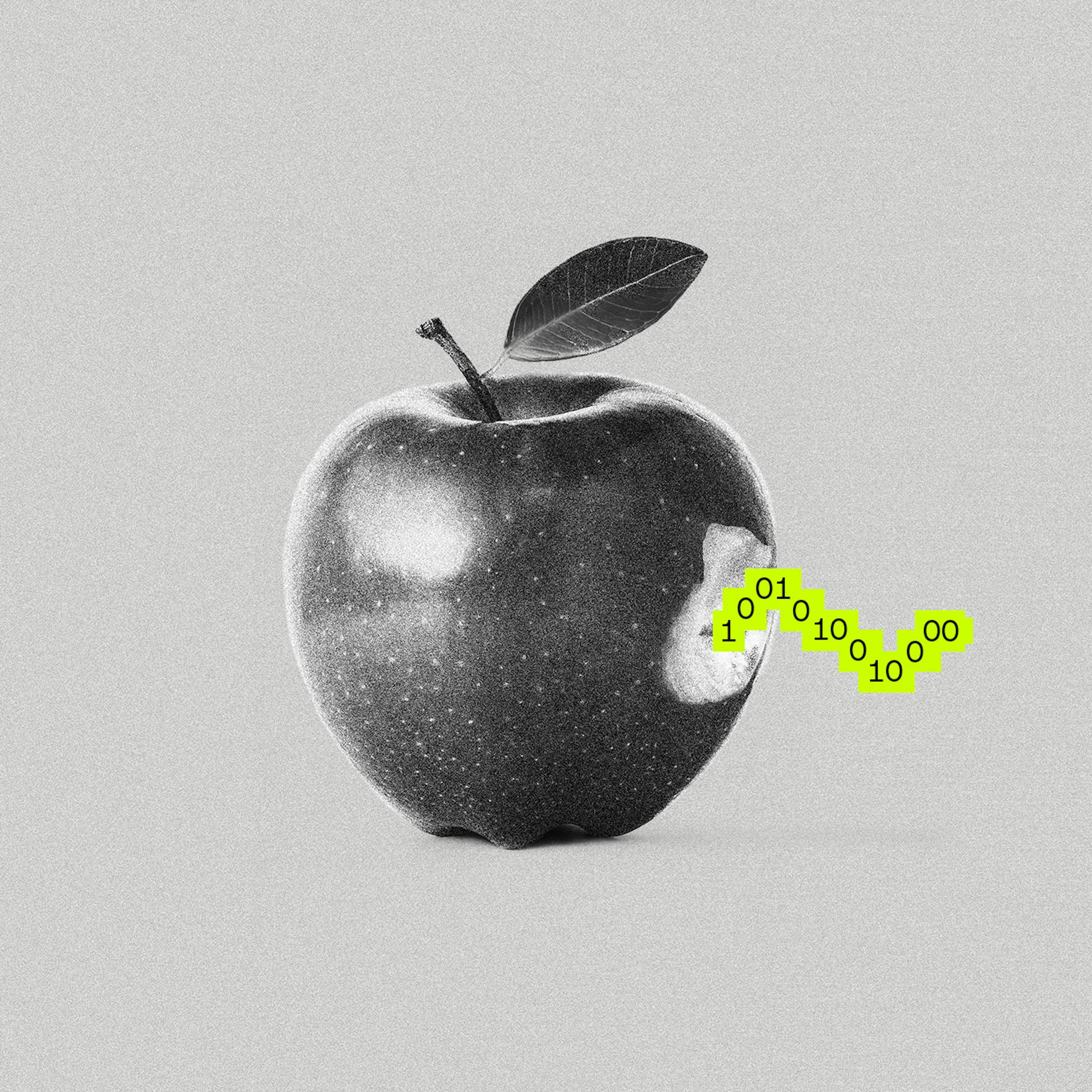
Experts argue that AI's primary use case—alleviating the cognitive strain of writing—directly targets a key activity for strengthening the brain. By summarizing complex texts and generating content, AI encourages shallow engagement and weakens the ability for sustained concentration and insightful thinking.

Relying on generative AI to produce assignments bypasses the effortful cognitive processes—like reflection and structuring arguments—that are essential for forming long-term memories. As a result, students who use tools like ChatGPT have very poor recall of the essays they submitted, defeating the purpose of the learning exercise.
While AI can accelerate tasks like writing, the real learning happens during the creative process itself. By outsourcing the 'doing' to AI, we risk losing the ability to think critically and synthesize information. Research shows our brains are physically remapping, reducing our ability to think on our feet.

The struggle to learn, condense, and articulate an idea is more valuable for comprehension than the final output. Relying on AI shortcuts this cognitive "sweat equity," which studies show leads to poor recall, a loss of individual voice, and only a superficial understanding of the subject.

Delegating cognitive tasks to AI can lead to skill atrophy, much like GPS has weakened our natural navigation abilities. Deliberately avoid using AI for core competencies like synthesizing information or creative writing to keep those mental muscles strong.

An MIT study using brain monitoring found that participants who used ChatGPT to write essays showed significant memory deficits, with 83% unable to recall quotes from the essays they had just written. This suggests that over-reliance on LLMs can cause mental atrophy and a lack of ownership over one's own work.

Relying on AI for writing tasks has a measurable neurological cost. EEG scans show brain connectivity is nearly halved compared to writing manually. This "cognitive debt" means you get faster output but fail to build the long-term neural pathways for true understanding and memory.
