Get your free personalized podcast brief
We scan new podcasts and send you the top 5 insights daily.
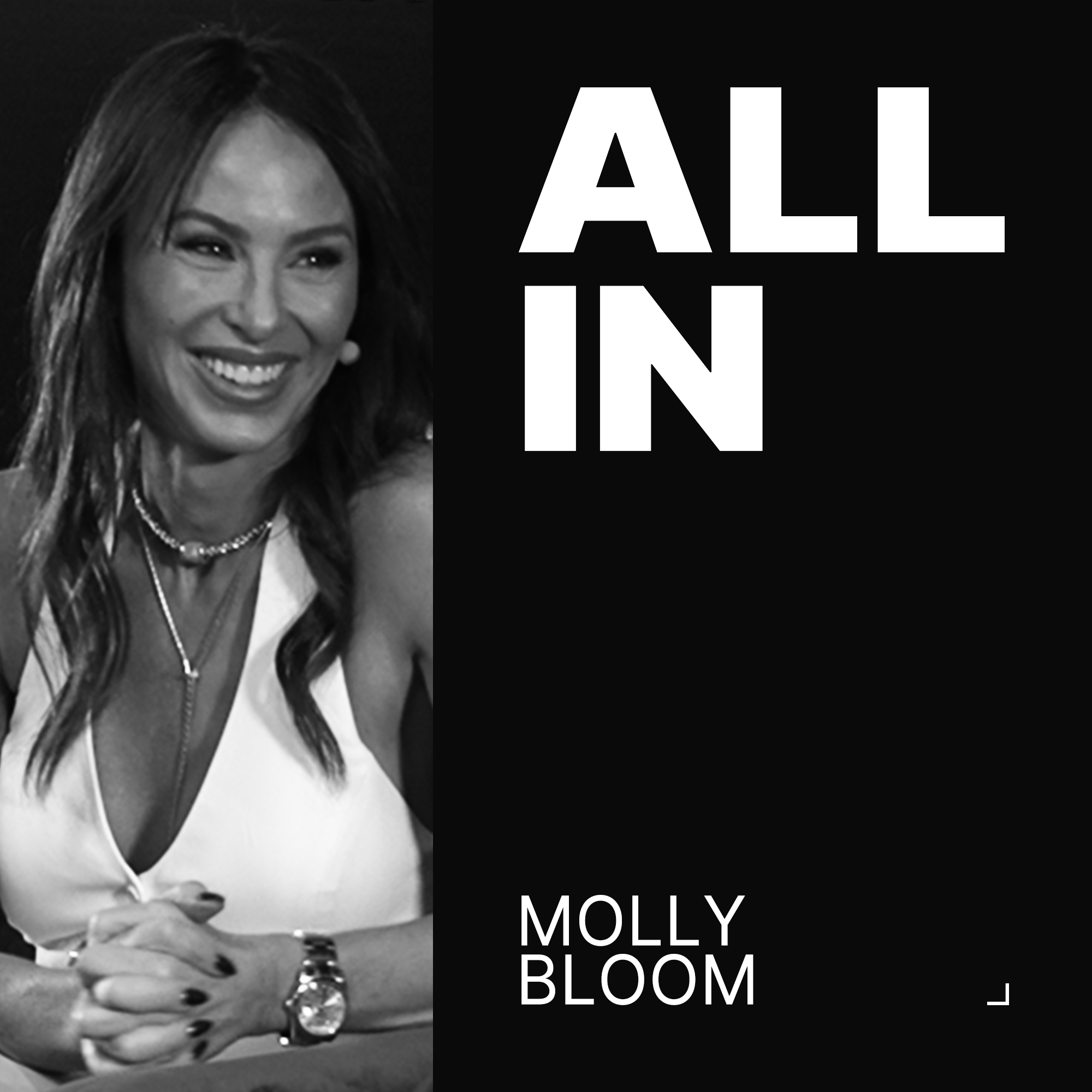
Molly Bloom succeeded by creating an immersive, exclusive experience—a "James Bond movie" fantasy—rather than just a poker game. This focus on community, storytelling, and escapism attracted high-profile clients and was her key differentiator. The product wasn't the cards; it was the entire curated environment.
Related Insights
In a world rife with shortcuts, Molly refused offers that would compromise her game's integrity, like letting pros play for a fee. This commitment to trustworthiness and investing in people built immense relational capital. This reputation became her core competitive advantage, creating a high-trust environment that attracted the best clients.
The ultimate PLG companies are consumer brands like shampoo, which sell on brand affinity, not commoditized features. As software becomes more commoditized, B2B companies must similarly build a strong brand theme that inspires users to associate with them, creating a more durable moat than features alone.

Marketers mistakenly assume B2B industries like finance are dull. In reality, these sectors are filled with compelling human stories about hopes, dreams, and innovation. The perceived lack of creativity is a massive competitive advantage for marketers willing to find and elevate these narratives.
Mentalist Oz Perlman aims not for mere entertainment, which is fleeting, but for creating "memorable moments." He knows that the more a person recounts an experience to others, the more vivid it becomes in their memory. Design products and services to be shared and retold.

The Savannah Bananas create deep fan loyalty by "world building," not just branding. They've developed an internal mythology with its own rules and language (e.g., the significance of the number 11). This makes fans feel like they're part of an exclusive, immersive universe, similar to Disney or Marvel.

As AI drives the marginal cost of digital content to zero, unique, in-person events become increasingly valuable. This is a strategic bet on the enduring human need for social connection and status, which cannot be digitally replicated. Value shifts from the digital to the physical.
![Ari Emanuel - The Anti-AI Bet - [Invest Like the Best, EP.448] thumbnail](https://megaphone.imgix.net/podcasts/c5910280-c4dd-11f0-94be-ab6a7a5865b0/image/1e5a2263eb62fcde200846919e24419a.jpg?ixlib=rails-4.3.1&max-w=3000&max-h=3000&fit=crop&auto=format,compress)
Instead of creating a vague "ideal client avatar," identify a real person who embodies your brand's values. For Birdies, this was Meghan Markle—before her royal fame—because she represented warmth, hosting, and community. This makes marketing and product decisions tangible and focused.

The team initially saw the large digital game board as the main feature. They later realized the unique, tangible game pieces were the most compelling differentiator from tablets or consoles and pivoted the entire marketing strategy to feature them front and center.
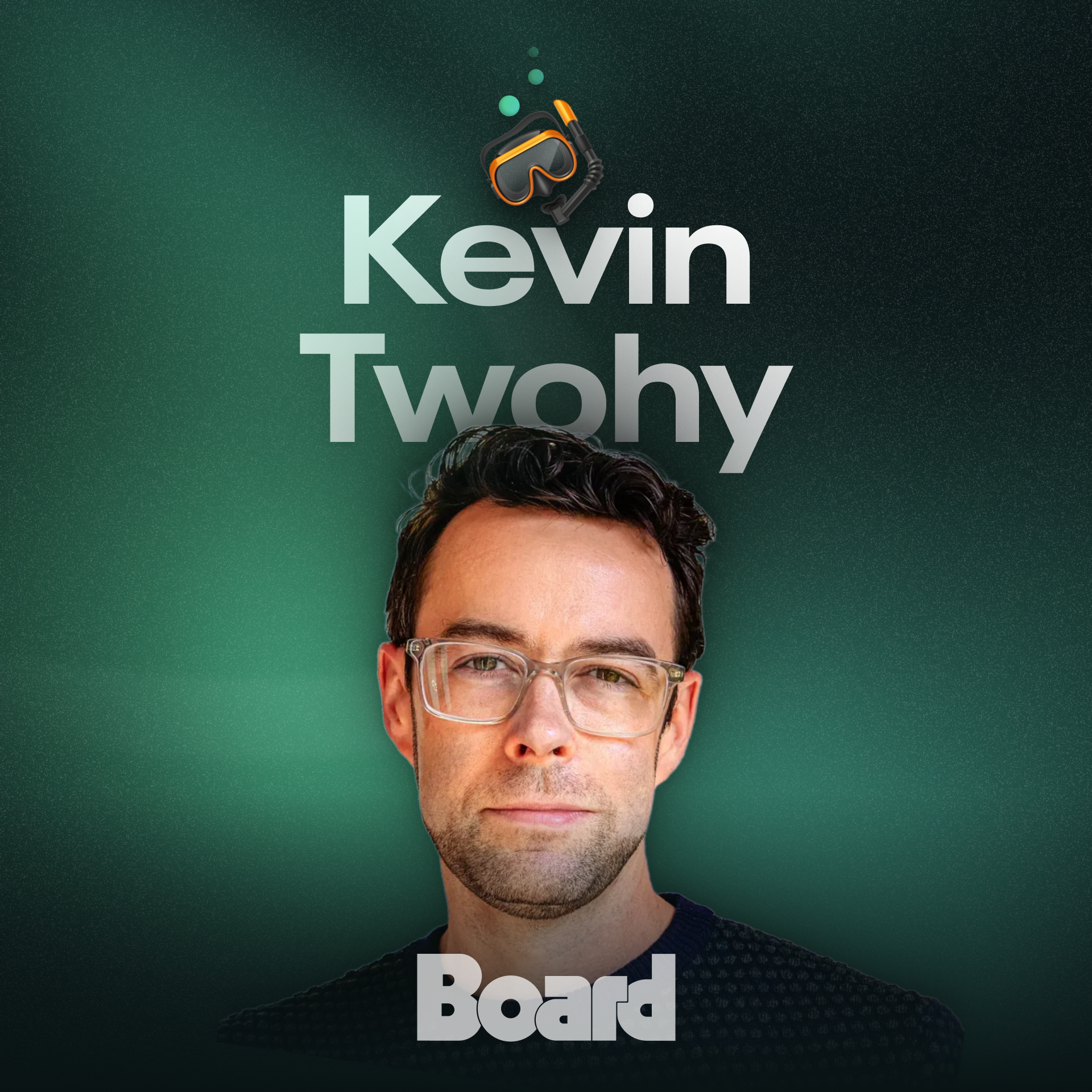
In a crowded market, brand is defined by the product experience, not marketing campaigns. Every interaction must evoke the intended brand feeling (e.g., "lovable"). This transforms brand into a core product responsibility and creates a powerful, defensible moat that activates word-of-mouth and differentiates you from competitors.

The highest end of live event monetization isn't selling access, but selling status. By creating tiered, exclusive experiences (e.g., meeting an athlete, on-field access), you tap into a demand curve for social proof that is practically unlimited. People will pay 'crazy' amounts for the shareable video moment.