Get your free personalized podcast brief
We scan new podcasts and send you the top 5 insights daily.
Employee creativity can be fostered through structured community engagement. Genesis uses a formal program to move employees from low-impact volunteering to more challenging roles, stretching them personally. This experience of stepping outside their comfort zone directly translates to enhanced innovation at work.

Related Insights
Debunking the 'lone genius' myth is crucial for building an innovative culture. By defining innovation as a structured process, organizations can teach the methodology and empower everyone to contribute. This reframing makes innovation accessible and repeatable, rather than a rare event dependent on a few creative individuals.
To foster innovation, Kanji's marketing team holds a "Shark Tank Day." Team members pitch creative ideas to a panel of "sharks" representing their buyer persona. This gamified process surfaces proactive strategies (like an AI-powered "roast your tech stack" tool) and secures cross-functional buy-in.

Beyond a certain salary, top engineers are driven by creative purpose, not just compensation. Excel Data retains talent by encouraging engineer-led initiatives, such as building their own open-source data platform (ODP) or AI vulnerability-fixing agents, which fosters a culture of meaningful innovation.

Like sleep, creativity is a non-conscious process that can't be forced. Instead of demanding ideas, leaders should practice "creativity hygiene." This involves arranging conscious behaviors to facilitate creative output, such as seeking novelty, embracing ambiguity, and building the team's creative confidence.

A memorable framework can embed innovation into a company's DNA. Genesis uses "CHIF" (Clever, High-quality, Innovative, Functional, Fun) to evaluate everything from software design to its personnel manual, ensuring a consistent and creative approach across the entire business.
At Inrix's Innovation Week, an unwritten rule dictates that the most junior team members present the final project. This practice intentionally gives high-visibility opportunities to employees, including interns, who wouldn't typically present at company-wide meetings, fostering growth and recognizing talent at all levels.

A new brand identity gives employees something tangible to rally behind, increasing their pride and sense of belonging. This renewed energy can manifest in unexpected ways, such as employees willingly volunteering their personal time for company events, strengthening internal culture.

The common practice of hiring for "culture fit" creates homogenous teams that stifle creativity and produce the same results. To innovate, actively recruit people who challenge the status quo and think differently. A "culture mismatch" introduces the friction necessary for breakthrough ideas.

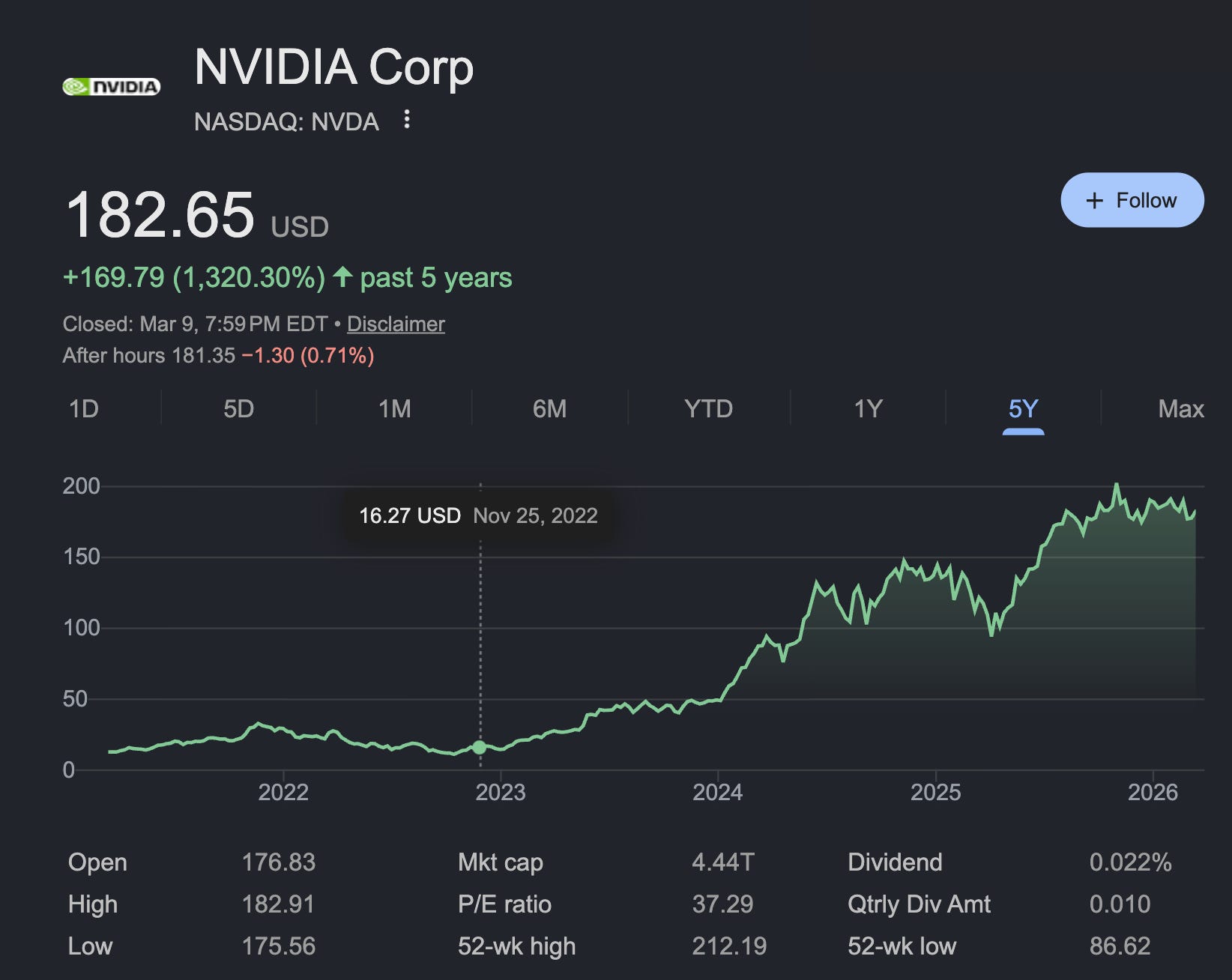
Unlike typical large corporations with rigid roles, NVIDIA encourages a fluid structure where employees can pursue their interests and propose new initiatives. This "pickup basketball" culture allows talent to self-organize around compelling projects, leading to state-of-the-art work across many domains.
Leaders often frame innovation as a monumental, revolutionary act, which can stifle progress. A more practical approach is to define it as incremental improvement. Fostering a culture where teams focus on making small, consistent enhancements to existing processes makes innovation a daily, achievable habit rather than a rare, intimidating event.
