Get your free personalized podcast brief
We scan new podcasts and send you the top 5 insights daily.
Communities are less likely to oppose new developments if the buildings are beautiful and the developer has a trusted reputation. By focusing on aesthetics and intentional design, developers can build goodwill and streamline the approvals process, turning potential opponents into supporters.

Related Insights
Economist Tyler Cowen suggests the YIMBY movement would be more successful if it championed aesthetic beauty alongside housing density. A key opposition point is the fear that new developments will be uglier than what they replace. Promising prettier neighborhoods could be the key to overcoming local resistance.

For large, potentially controversial projects, dedicate significant time upfront to meet every stakeholder group—from supporters to critics. By socializing the idea and framing its benefits for each party, you can build widespread support that preempts future opposition.
The "Not In My Backyard" (NIMBY) problem for infrastructure like datacenters can be overcome with creative architecture. The example of a Danish power plant featuring a public ski slope on its roof shows how a potentially ugly, industrial facility can be transformed into a beloved community landmark and recreational space, thereby generating public support.
To counter resident opposition to homeless shelters, Mayor Matt Mahan proposes a deal: the city will build the site while also enhancing police patrols, creating a no-camping zone, and increasing blight removal, ensuring the neighborhood's quality of life demonstrably improves.

The common belief that people oppose new housing to protect property values is likely wrong. A more rational explanation is that residents are protecting their existing quality of life from negative externalities like noise and traffic. Pro-housing arguments should therefore focus on improving neighborhoods, not shaming residents.
A 1-gigawatt data center can generate nearly $100 million in annual state and local taxes. Proponents should frame these projects not as industrial eyesores, but as engines for community improvement that can fund popular amenities like parks, schools, and road repairs, directly countering local opposition.

Facing public backlash, John D. Rockefeller built Rockefeller Center, a massive architectural project that laundered his reputation. Similarly, as AI companies face "not in my backyard" resistance to data centers, they can make them beautiful public amenities to win over local communities.

Counteract pushback on aesthetics by framing them not as subjective preference but as strategic business decisions. Connect specific forms, colors, and textures back to the company's Visual Brand Language (VBL), showing how they reinforce the desired customer perception and brand identity. It's not personal taste; it's a business choice.

To combat public opposition, industrial facilities like data centers can integrate community amenities directly into their design. The CopenHill power plant in Copenhagen, which features a public ski slope and hiking trail on its roof, serves as a prime example of how to turn a potential eyesore into a beloved local landmark.
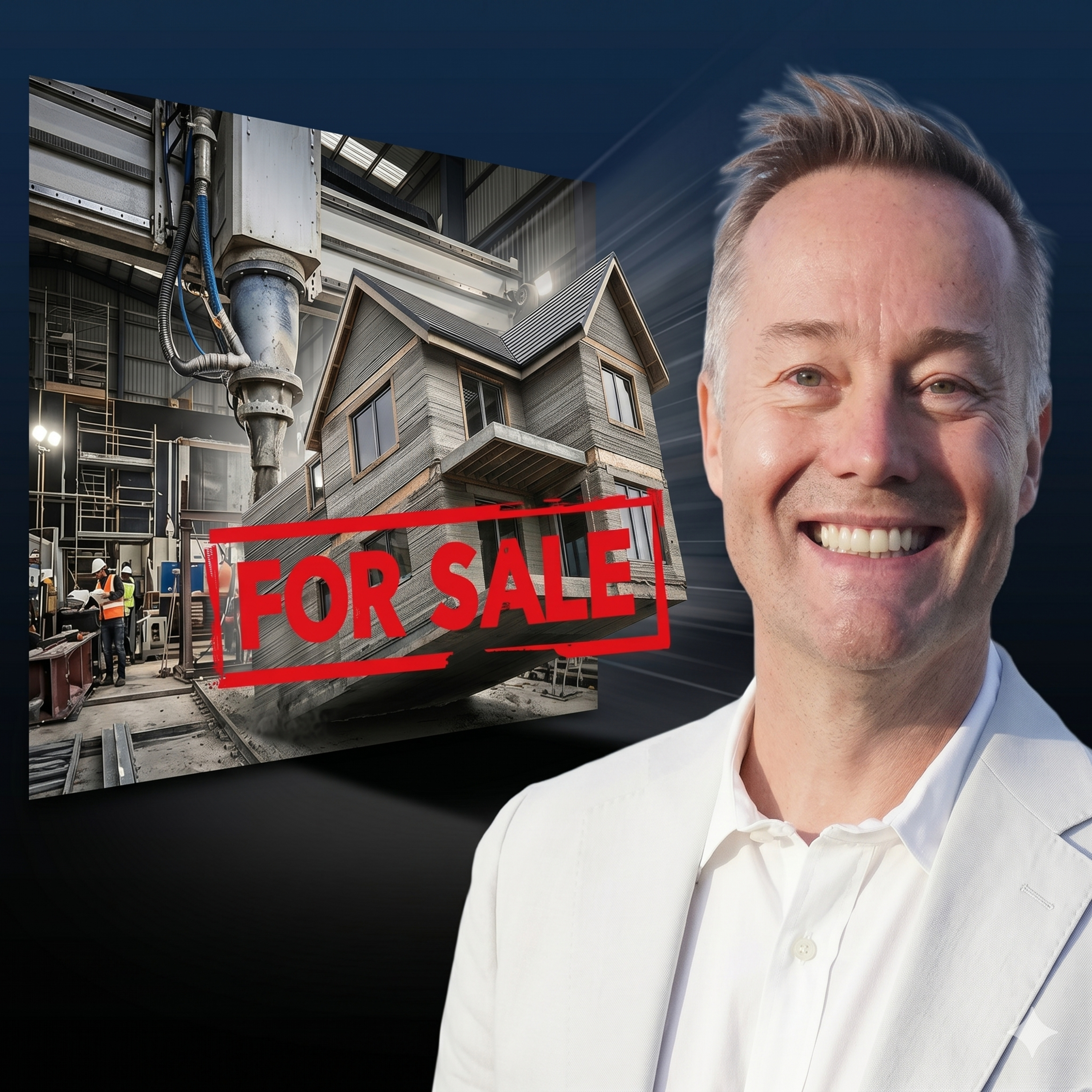
By creating aesthetically beautiful homes for the homeless for ~$99K, ICON challenges the typical depressing design of such projects. This approach not only provides better living conditions but also helps overcome the "Not In My Backyard" (NIMBY) problem by making the developments desirable.