Get your free personalized podcast brief
We scan new podcasts and send you the top 5 insights daily.
NYC Mayor Mamdani's plan to tax the rich is failing as the governor blocked it and high-earners leave. His backup plan, a property tax hike, directly impacts the middle and working classes he promised to protect, a common failure point of socialist policies.

Related Insights
Once a 'one-time' wealth tax is implemented to cover deficits, it removes pressure on politicians to manage finances responsibly. The tax becomes a recurring tool, and the definition of 'wealthy' inevitably expands as the original tax base leaves the jurisdiction.
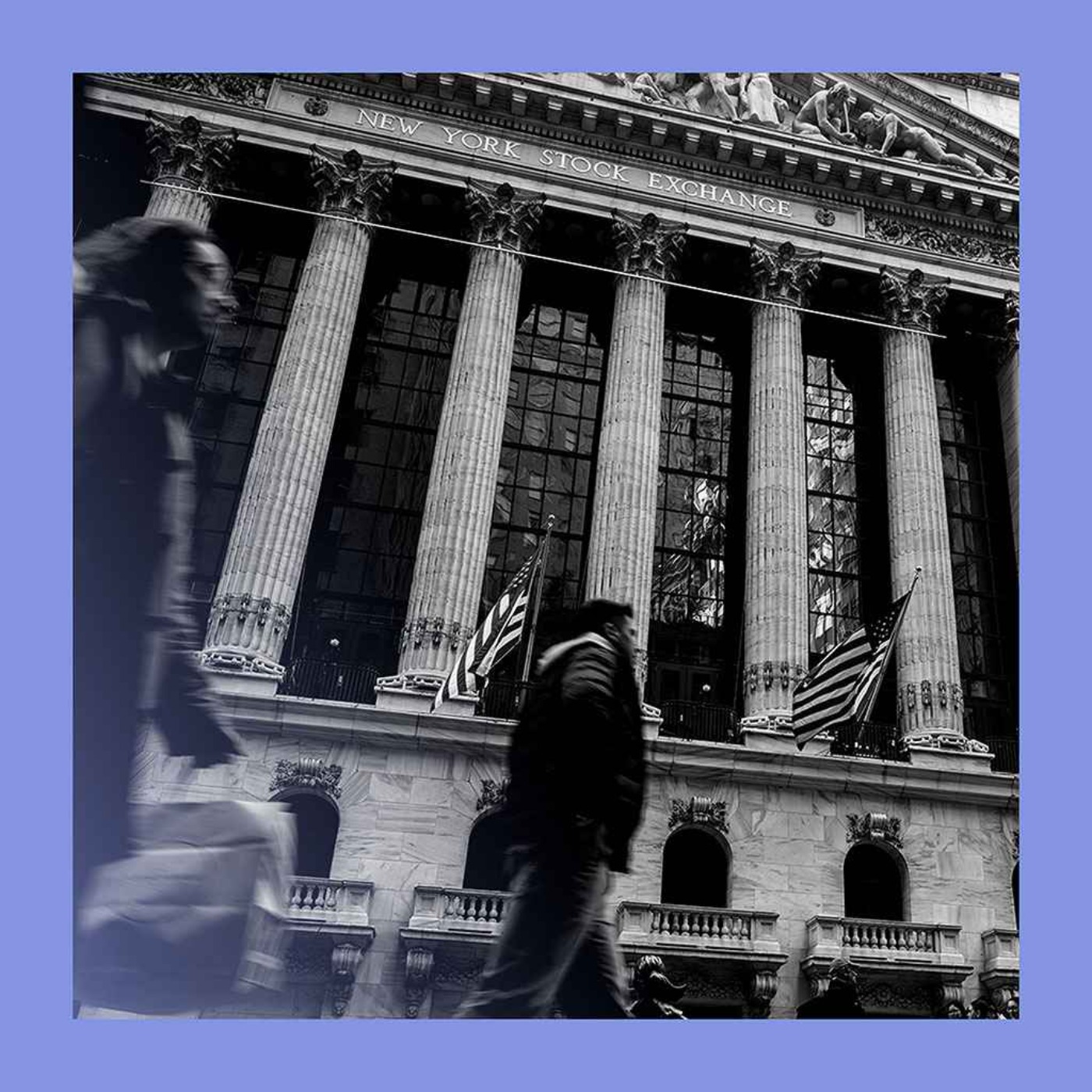
New York's high municipal spending relies on taxing a robust financial sector. As finance jobs decline and are replaced by lower-paid roles in sectors like healthcare, the city's tax base is eroding. This is compounded by a nearly 10% drop in real wages since the pandemic, threatening the city's governing model.
A proposed wealth tax in California triggered a significant flight of capital and high-net-worth individuals, even without becoming law. The key factor was the failure of politicians to uniformly condemn the proposal, which was perceived as a threat to fundamental property rights, signaling a hostile business climate.

Contrary to common belief, Arthur Laffer asserts that historical data shows a clear pattern: every time the highest tax rates on top earners were raised, the government collected less tax revenue from them. The wealthy use legal means to avoid taxes, and economic activity declines, ultimately harming the broader economy.

The proposed tax on billionaires' assets isn't about the billionaires themselves, who hold a fraction of national wealth. The real goal is to establish the legal precedent for a private property tax. Once normalized, this mechanism can be extended to the middle class, where the vast majority of assets reside.

Threatening to confiscate wealth from the most mobile people incentivizes them to leave. This capital flight has already begun in response to the proposal, proving such policies ultimately reduce the state's long-term tax revenue by driving away the very people they aim to tax.

When a political party uses the IRS to punish enemies, it simultaneously shields its wealthy allies from audits. This allows them to evade taxes, creating a revenue gap. To fund the government, that money must be collected from lower and middle-income taxpayers, effectively creating a tax increase for them.

The primary psychological driver behind socialist policies isn't altruism for the poor but a desire to penalize the wealthy. Understanding this distinction is key to predicting their political actions, as they will oppose policies that benefit everyone if they also benefit the rich.

David Friedberg argues the proposed billionaire tax isn't about targeting the wealthy, but about establishing a legal precedent for the government to audit and tax the private property of all citizens. The real target is the middle class's $170 trillion in assets, not the billionaires' $8 trillion.

Citing his firsthand experience with France's wealth tax, Manny Roman argues such policies often prove disastrous. The wealthy are mobile and can "vote with their feet" by moving to lower-tax jurisdictions like Belgium or Switzerland. This mobility undermines the intended tax base, rendering the policy ineffective.
